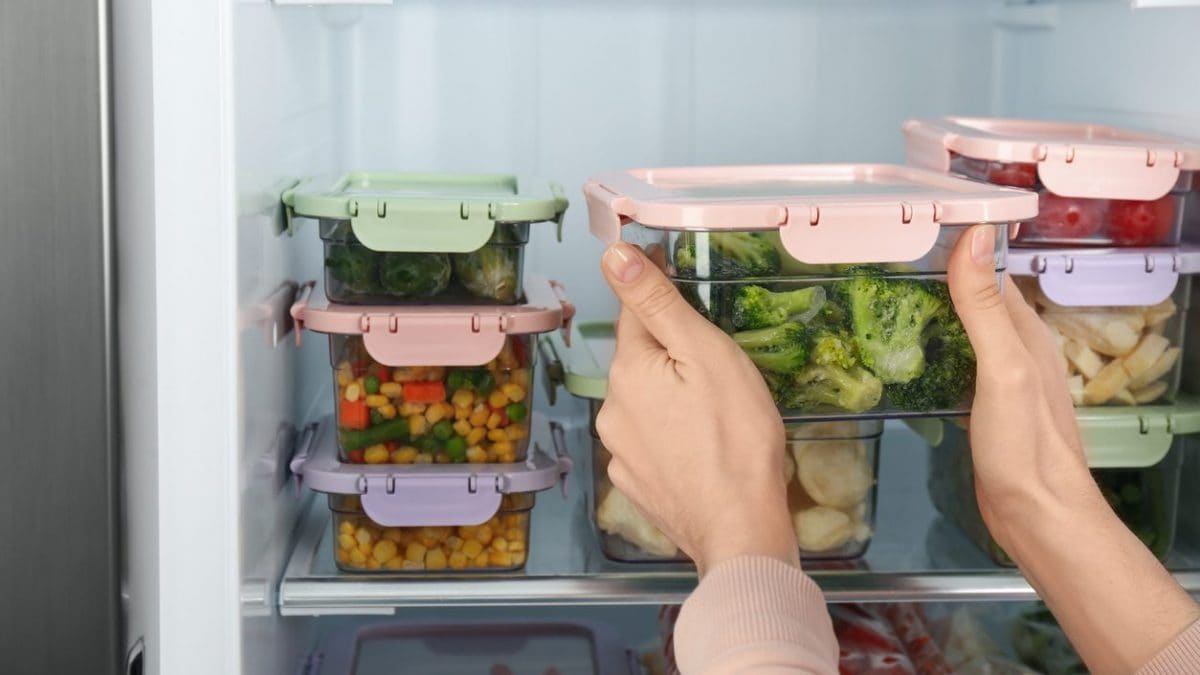
How many times have you planned a lunch or dinner and cooked way too much food? Or simply miscalculated the portions for the day's meal and found yourself with all sorts of leftovers at the end of the meal. What should you do in these cases? The first rule to follow is never toss out leftovers: you just need to learn how to store them properly.
Storing leftovers is a crucial way to fight food waste in your daily life , a serious problem affecting the entire world. In the U.S. alone, research suggests that each American throws away approximately 90 kilograms of food. However, if stored properly, you can eat these leftovers within a few days or even reuse them for entirely new recipes. Here's everything you need to know about storing leftovers properly.
How to Store Leftovers in The Fridge
The quickest and most convenient way to preserve leftover food is to place it in the refrigerator, especially if you plan to consume it the same day or within a couple of days, depending on the type of food. To prevent food from spoiling, it's best to place it in the refrigerator as soon as you remove it from the table, in the appropriate containers, or within two hours, the time limit after which potential bacteria begin to develop. The ideal storage temperature for maintaining the organoleptic properties of food is around 39°F/4°C, which is why the best place is the bottom shelf. It's also important not to overcrowd food: the more food there is in the refrigerator, the less effectively the appliance can cool it. Leftover cheeses deserve a special mention , as they have their own storage guidelines because, in many cases, they are more prone to rapid spoilage.

How to Store Leftovers in The Freezer
If you don't plan on consuming leftover food anytime soon, it's best to store it in the freezer. This will prevent the product from spoiling quickly and preserve it for a long time. To store cooked food in the freezer, make sure it's completely cold. Divide it into small portions (easier to defrost) and then place them in the freezer, where they will keep for up to three months. Remember not to wait more than 2-3 days to freeze leftovers, especially cooked ones, because any longer could cause the food to develop bacteria.

Which Containers to Use
A key issue when storing leftover food is choosing the right containers: storing food in cooking containers isn't a good idea; you need special containers. Among the most useful types are airtight glass containers, convenient and practical to use, especially when storing leftovers in the refrigerator. They also wash very well and don't release any substances, unlike low-quality plastic. A useful solution for freezing, however, is to use aluminum foil trays with cardboard lids (their use is now considered safe and harmless), even better if they have a cardboard lid on which you can write the date you freeze the product. Alternatively, for vegetables, meat, or fish, food bags are also excellent, also useful because they take up less space inside the appliance.

Helpful Tips for Eating Leftovers
It's fine to save leftovers, but what do you do when you need to take them out to eat? When storing them in the refrigerator, it's easy: just take them out and reheat them until they're ready again; for sauces, gravies, and soups, it's best to always bring them to a boil. Also remember, you should never reheat food more than once or mix it with fresh foods, and once you've removed leftovers from food, they can't be put away again—you'll have to consume them.
As for frozen leftovers, you'll need to thaw them before you can use them. This is why it's best to portion them out before storing them, so you don't have to thaw the entire food, but only the amount you need. Generally, the best approach is to always maintain the "cold chain," meaning to place leftovers in the refrigerator and let them thaw slowly. This depends on the time you have, the type of food you're thawing, and whether the food is cooked or raw. Once thawed, you can't keep them for a second time; you'll have to use them up.
;Resize,width=767;)
