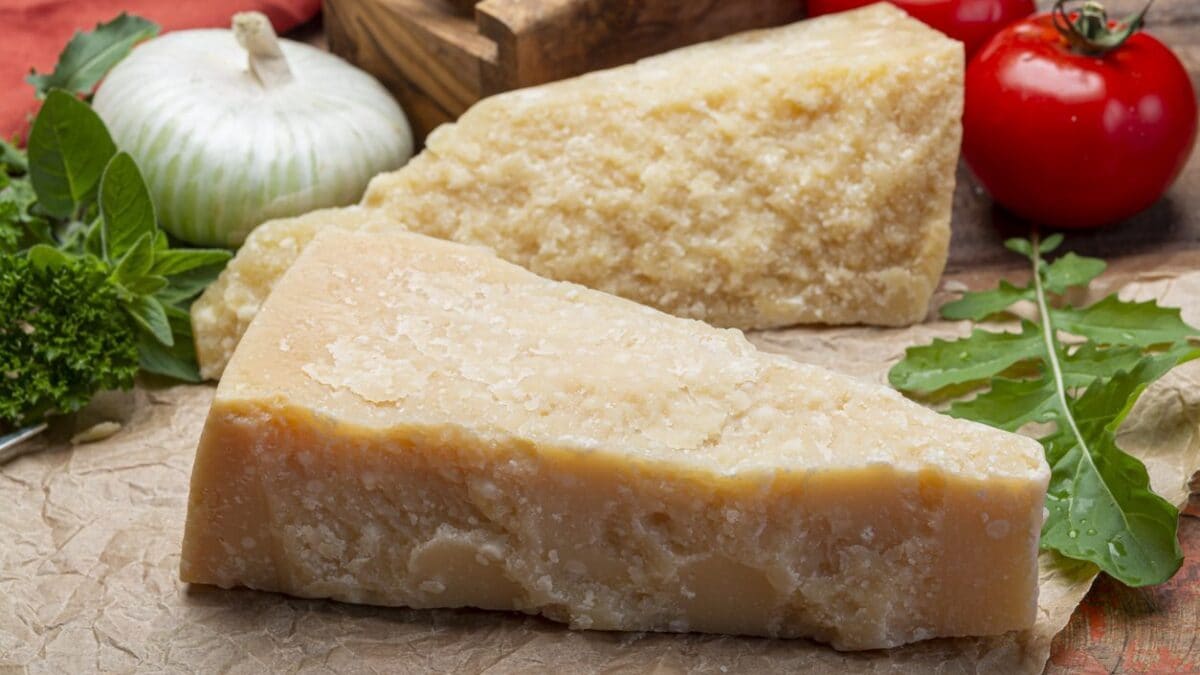
Parmigiano Reggiano, Pecorino, Grana Padano: these are some of the finest examples of aged cheeses, a true source of pride for gastronomy. Aged cheese is a product that, after normal processing and salting, is left to rest for a minimum period, generally more than 30 days, a process that causes it to lose a lot of water and develop a more intense flavor. Our culinary tradition is full of these types of cheeses, and we often stock up on them, either to eat them sliced or to grate and use to flavor pasta dishes. But if you don't learn how to store them properly, the risk of them spoiling is very high. Aged cheeses, in fact, are subject to deterioration caused by three main factors: incorrect storage temperature, humidity, and lack of ventilation. Here is a simple guide, with tricks and tips for storing Parmesan and aged cheeses, including classic methods and myths to debunk.
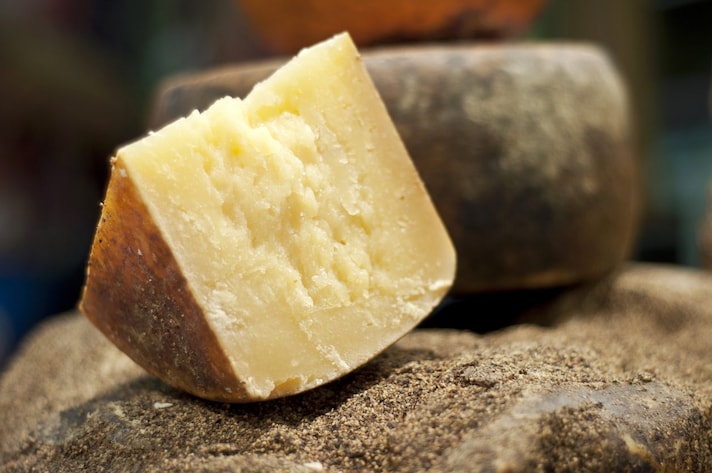
Where And How to Store Aged Cheeses
To properly preserve aged cheese, whether Parmesan or any other type of product, you must follow a few rules. These are small, simple yet essential tips to preserve the flavor, aroma, and freshness of the cheese you purchased, thus avoiding waste and extending the product's shelf life to maximize its unique organoleptic properties. First, you need to know what the enemies of aged cheese preservation are. In general, there are four factors that affect the product's condition:
- Drying. If the cheese is not stored at the right humidity, it tends to dry out, losing all of its organoleptic properties.
- Lack of air. The cheese needs to breathe, otherwise it tends to "sweat," losing all its aromas and flavors.
- Too much cold, which blocks its organoleptic properties.
- Too much heat, which facilitates fermentation and perishability.

Precisely for this reason, the storage location and temperature at which you store cheese are essential to maintaining the product in good condition. The ideal location is a cool, dark cellar, with a temperature between 46°F/8°C and 53°F/12°C and a constant humidity of between 75% and 85%, to prevent the cheese from drying out too much. Alternatively, the refrigerator is also suitable (but it's better for slices of cheese than for whole wheels): you can place the aged cheese in the upper part of the refrigerator, where the temperature between 46°F/8°C and 50°F/10°C is ideal, or in the vegetable drawer, which offers a stable and less cold temperature than the lower shelves.
As for the best way to store cheese, if you've purchased vacuum-packed cheese, you should leave it closed until just before eating it and consume it normally by the expiration date. This is an excellent technique for preserving the cheese intact, as the vacuum seal serves precisely to prevent it from coming into contact with air. However, remember that you should open the package for at least thirty minutes before eating it, and if you notice that the cheese is greasy, dry it: acetic acid can build up, which, if left unremoved, can affect the tasting experience. If the cheese is not vacuum-packed, is grated, or has already been cut, you need to pay more attention to the packaging you use.
What Packaging Should You Use to Store Already-Sliced Aged Cheeses?
If you've already opened the cheese, bought it vacuum-packed, or grated, the storage method changes: you need to wrap it in plastic wrap or use a container, but you need to choose both carefully. Lack of ventilation is one of the most common problems: if the cheese breathes, it sweats, and loses all its aromas and flavors. For this very reason, forget about plastic wrap and plastic bags; they're the number one enemies of properly storing aged cheeses.
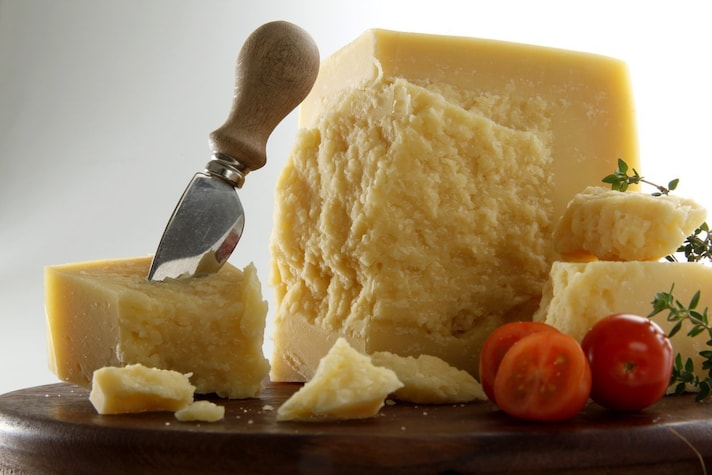
The best method is to store opened or sliced cheeses in special food containers, preferably glass and with an airtight seal. Not only do they prevent the cheese from becoming smothered, but they also protect it from odors: many varieties, including Parmesan, absorb odors and are ruined by the aromas of other foods in the refrigerator. Alternatively, if you want to wrap the cheese because you don't have containers available, use parchment paper or special cheese wrap. This way, the cheeses can be stored in the refrigerator for about a week, but remember that this method is best for small portions that are consumed quickly. For long-term storage, however, the best method is vacuum packing. You can do it yourself at home if you have a vacuum sealer, or you can ask your trusted delicatessen owner for help.
What if the cheese is grated? If you're used to grating a lot of cheese and keeping it ready to use in the refrigerator, you shouldn't do that. Parmigiano, Grana, and Pecorino should be grated only when you're ready to use it, so they can release all their flavors, which are best expressed on hot dishes. It's a shame to grate it beforehand: this way, the cheese's surface area in contact with the air is significantly larger, thus increasing the risk of spoiling the product. If you happen to grate too much, or if you bought it in a pre-grated bag and the bag is open, store the cheese in an airtight glass container.
Mistakes to Avoid When Storing Aged Cheeses
One of the mistakes that most compromises the preservation of aged cheeses is choosing the wrong type of packaging. We've already talked about plastic wrap and bags, but remember that paper towels are also a big no-no: precisely because of their composition, they absorb all the fat in the cheese and, consequently, cause it to go rancid. Even using tea towels and cotton cloths, as was done in ancient times, is a practice that experts consider incorrect: the fabric does not protect the cheese from dehydration and can retain or transfer humidity and odors.
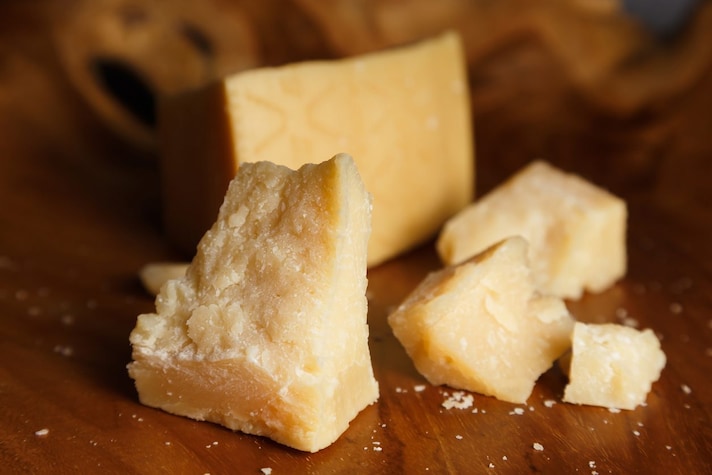
Medium-aged and mature cheeses, even when properly wrapped, may become moldy. There are several causes: residual moisture may still be present, you may have left it open too long before wrapping it and mold spores had already formed, or you may have sealed the cheese too tightly, preventing air circulation and trapping moisture in contact with the rind. In any case, don't worry; in this case, simply cut or scrape off the moldy part and the cheese is safe to eat. Another surefire way to ruin a mature cheese is to freeze it: neither Parmigiano nor any other variety should ever be frozen, as they lose a lot of their organoleptic properties. Instead, if you're worried about wasting it, use it in a recipe that can be frozen, such as lasagna.
;Resize,width=767;)
