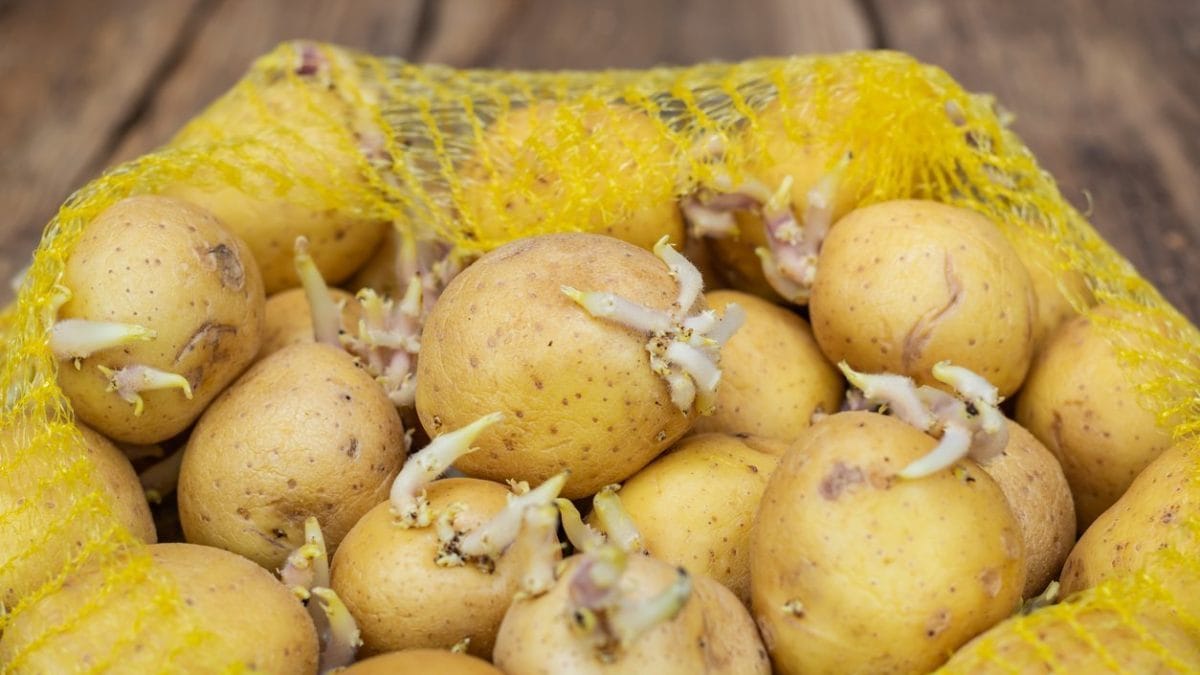
Potatoes are among the most loved vegetables of all due to their exquisite taste that everyone agrees on, for their being "poor" but nutritious and for their great versatility: you can boil them, fry them and bake them and they are an excellent side dish, but you can also use them as an ingredient for rustic pies , bread and to prepare gnocchi.
Having potatoes in the pantry is always convenient, but how do you store them properly? You just need to learn how to store them properly, because potatoes can last for several months without rotting or sprouting. Let's discover the right methods for storing raw potatoes, as well as some tricks for preserving them well when cooked.
How to Store Potatoes so They Don't Sprout
The work you need to do to preserve potatoes at their best begins when you buy them: the very first step is to sort them and discard any damaged or blemished potatoes. You should consume these within a couple of days because they'll be the first to deteriorate.
Potatoes that are in perfect condition should be placed in a paper bag, but it's also fine to leave them in the netting you bought them in or place them in a wooden crate: the important thing is that they are ventilated to prevent the formation of mold, so avoid plastic altogether.
At this point, it's crucial to choose your storage location carefully, because to keep potatoes fresh for a long time, they need to be kept away from direct sunlight and humidity, both of which contribute to accelerating the deterioration process. Ideally, they should be stored in a dark, cool place like a cellar, but if you don't have one, a cupboard you don't open often will do.
Remember that potatoes should never be stored in the refrigerator because the cold turns the starches into sugars, altering their natural colors and flavors. You shouldn't wash potatoes before storing them because the moisture from the water will cause them to rot faster, and you should never store them near fruit. Above all, keep them away from apples, pears, and bananas because they produce ethylene, a chemical that accelerates ripening and could encourage sprouting.

Are Potato Sprouts Dangerous?
One of the problems with storing potatoes is that they sometimes develop unusual growth spurs: these are sprouts, the beginning of a new plant's growth, which, in the case of potatoes, occurs spontaneously. This could lead to changes in the chemical composition of the potatoes, so what should you do in this case?
You need to follow a simple rule: if the sprouts are small and the tubers are still firm and healthy, you can safely eat the potatoes (but as quickly as possible), removing any protruding growths. However, if the sprouts are numerous and large and the potatoes are wrinkled, it's best not to eat them, as they may have developed solanine, a self-produced substance found in the sprouts themselves that can become toxic.
How to Store Cooked Potatoes
A good alternative for preserving potatoes, especially if you're short on time, is to store them in the freezer already cooked. If you have plenty of potatoes and prefer not to store them raw in the pantry, cooking them is the solution.
Raw potatoes can't be frozen because once removed from the freezer, they'd become too mushy and lose their texture. However, if they're already cooked, this doesn't have the same problem. You can cook potatoes by cutting them however you like (into chunks, sticks, or rounds) and steaming them in the oven or pan-frying. In any case, once they're ready, you'll need to let them cool, place them in freezer bags, and put them in the freezer, where they'll last up to 12 months.
;Resize,width=767;)
