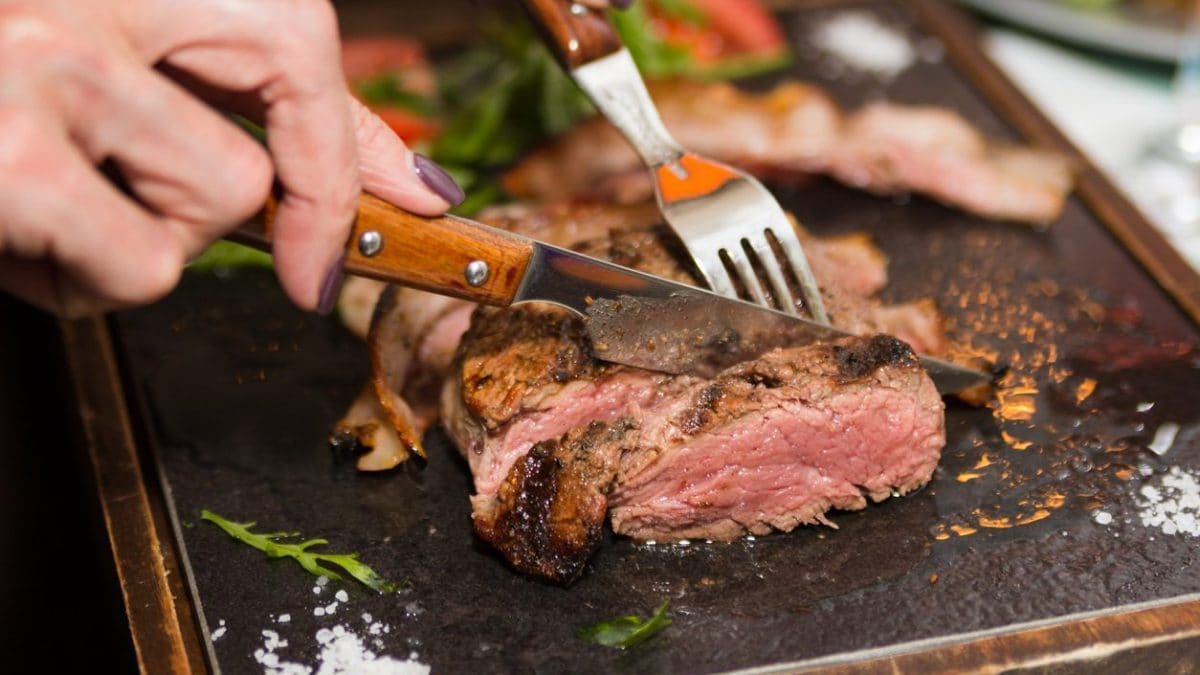
When you think of a successful meat dish, the adjectives that most often come to mind are tender, succulent, and flavorful. The final result, however, isn't always like this, with the meat being tough, unappetizing, and difficult to chew. This can happen because the cut is already tough to begin with, because it comes from cheap cuts or older animals that therefore need to be treated properly, but it can also be due to mistakes that occur during and after purchasing, such as choosing sub-par ingredients or cooking them incorrectly. Let's look at the main aspects to pay attention to.
Why Can Meat Be Tough?
There are many factors that can influence the toughness of meat, including the age of the animal, the type of cut, processing, and storage, as well as the conditions in which livestock are raised and transported, as stress can also cause changes that lead to lower final quality. Generally, younger animals, such as veal, have more tender meat than adult cattle. Muscles that are more stressed by movement, such as the beef shank, which is rich in connective tissue (mainly collagen), will be tougher compared to less stressed cuts, such as the fillet, the most prized cut because it combines leanness and tenderness.
After slaughter, the meat tends to stiffen and is therefore not immediately edible, but it undergoes a process called aging, which can be more or less long depending on the type, allowing the fibers to relax, acquiring softness and flavor: if carried out incorrectly, perhaps not respecting the timing, it can result in meat that is still too compact and tough.
Important: When an animal experiences intense stress — fear, fatigue, inadequate breeding and transport conditions —it rapidly uses up its glycogen reserves. This sugar in the muscles is essential because, after slaughter, it converts into lactic acid and contributes to lowering the pH of the meat, promoting its maturation. If glycogen reserves are insufficient, the pH does not lower properly and the meat can become tougher.
How to Tenderize Meat
The definition of "tough meat" is very broad: it depends not only on cuts that naturally have this characteristic, but also on actions we ourselves can perform during preparation, transforming a juicy steak into the classic shoe sole. Below, here are 7 tips to implement to achieve tender and succulent consistencies.
1. Choose the Right Cut

The first step to tenderizing meat is choosing the right cut for the preparation you're planning. Lean cuts typically require quick cooking or moistening (using butter, sauces, emulsions, or other liquids), otherwise they can dry out and become parched. Meanwhile, cuts with more connective tissue and external fat, considered more economical, are well suited to long cooking, such as stews, braises, and pot roasts, where the fat and collagen dissolve, allowing the meat to become tender.
2. Marinate The Meat

Marinating is one of the most effective techniques for tenderizing meat, whether it's delicately flavored meat like chicken or more robust meat like lamb, goat, or game. You can marinate it using oil, wine, lemon juice, vinegar, yogurt, or milk, enriched with spices and herbs, and left to rest for a few hours or overnight, depending on the meat. The acidic and enzymatic ingredients help break down —partially and superficially— the muscle fibers. It's also a technique that adds flavor and helps retain moisture during cooking.
3. Beat the Meat

An underrated method, but one that works both for tenderizing —this also breaks the fibers—and for flattening, is to use a meat tenderizer, a tool with a vintage allure that proves very useful when you're dealing with preparations that require thin, even slices, whether for scallopini or for creating rolls and roulades. It involves pounding the meat with a certain amount of force, without ruining it: use firm clockwise movements from the center outward, helping yourself by placing the piece between two layers of parchment paper or cling film, so as not to risk tearing the tissue.
4. Salt at The Right Time

When preparing a steak, the question of the ideal time to add salt is still open: it is, in fact, an ingredient that risks both drying out the food as it attracts water to the surface, and softening it, causing a slight degradation of the protein, with the fibers absorbing the escaped juices, making the meat tender and succulent. To achieve the positive effect, the advice is to ideally add it between 40 and 60 minutes before cooking, especially for thick cuts, thus allowing the juices time to be extracted and then reabsorbed.
5. Don't Pierce the Meat

When cooking meat, avoid using forks, toothpicks, or knives. Piercing the surface allows the internal juices, which are responsible for tenderness and flavor, to escape: when they escape, the meat begins to dry out and become more compact. To turn or move it, it's best to use special tongs or spatulas, which allow you to handle it without damaging it. If you want to check the doneness, you can use a thermometer —especially for roasts or grilled meats —or by touch, checking the consistency.
6. Cut Against the Grain

A trick that butchers and chefs know very well, though those outside the industry are less so. Cutting against the grain allows for better chewing of steaks and cheaper cuts, which risk having tough meat even after cooking. What does it involve? When you cut meat along the grain, the grain remains intact, creating a structure that requires more force to break down in the mouth. Conversely, if you cut against the grain—that is, perpendicularly—the fibers are shortened into smaller segments, making the portion very easy to chew. Extra tip? Equip yourself with a good, sharp knife.
7. Choose Quality Meat

As we have seen, there are several reasons why you might end up with tough meat on your plate, and some of them are due to incorrect treatment of the raw material after purchase, from the wrong type of cooking to the use of unsuitable tools that ruin it. This does not change the fact that starting with a quality product guarantees a better yield in the kitchen. Try to avoid meat that comes from intensive farms: stressful living conditions and a diet often consisting of industrial protein feed – as happens with broiler chickens – aimed at maximum productivity lead to animal suffering and poor quality food. Most of the time, these meats lose a lot of water when cooked, becoming drier and tougher.
;Resize,width=767;)
