
Using glass instead of plastic should be a habit for everyone, especially since glass jars and bottles can be easily reused once you've used up their contents. Before giving them a second life, however, it's essential to sanitize them thoroughly. And no, rinsing them with soap and water isn't enough: you need to clean them with a product that truly removes all residue, even the most invisible, to prevent the buildup of potentially dangerous bacteria. Furthermore, thoroughly sanitizing glass jars allows you to eliminate any residual odors and flavors that would otherwise spoil the new product stored inside. What are the most effective methods for thoroughly sanitizing reusable glass bottles and jars (and also for making new ones safe)? Here are the ones you need to know, all natural.
1. Sanitize With Baking Soda
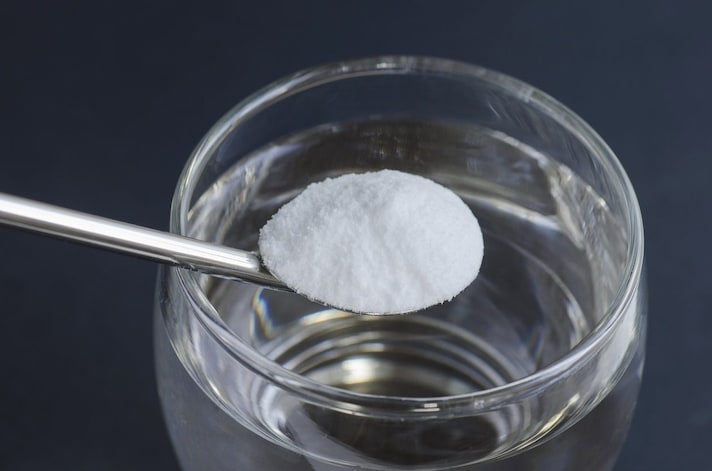
Baking soda is one of the most effective sanitizing products, in fact, it's used in the kitchen to clean fruit and vegetables. In our specific case, it's used as a base for creating a paste that's ideal for thoroughly sanitizing your bottles before recycling them, but it's also a general maintenance task you can perform regularly to keep the container clean. All you have to do is fill the bottle with hot water and add 1 teaspoon of baking soda per liter of water. Stir lightly to dissolve the substance. Close the cap, shake, and let it sit for at least 1-2 hours (but for stubborn dirt or persistent odors, you can leave it overnight). After the resting time, empty the bottle, rinse several times using only hot water, and let the bottle drain upside down. Then, dry it completely: at this point, it's perfectly sanitized and ready for reuse.
Remember, however, that baking soda is a salt with multiple uses, but it is not a disinfectant: it is effective at removing light dirt and neutralizing acidic odors. Its granular consistency also makes it an excellent abrasive for cleaning delicate surfaces without scratching them.
2. Sanitize With Vinegar

Vinegar, along with baking soda, is one of the most effective natural products for cleaning and sanitizing: it's used for countless types of cleaning, even to combat mold, remove limescale, and polish silverware! If you have glass bottles that have become impregnated with strong odors or contained something particularly greasy, washing them with water and vinegar will make them look like new (it also acts as a powerful degreaser): fill the bottle with hot water, add the apple cider vinegar, cap and shake well, then let it sit overnight; once the process is complete, rinse, drain, dry, and the bottle is ready to go.
Again, it's important to remember that vinegar is a widely used household remedy for cleaning, but its effectiveness as a disinfectant is limited. While vinegar can kill some types of bacteria and fungi, it isn't effective against all microorganisms and cannot replace commercial disinfectants.
3. Vinegar, Lemon and Uncooked Rice Against Wine Residues
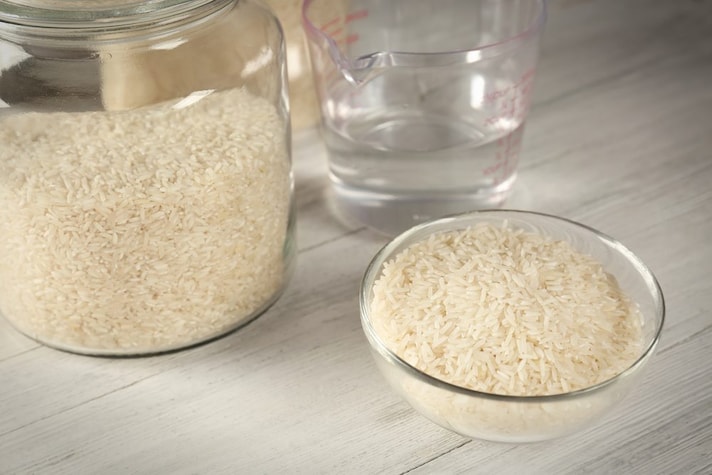
Among the most difficult bottles to remove residue are wine bottles, especially those containing lingering odors. In this case, vinegar is fine, but you'll need an extra layer of support: add a mixture of water, vinegar, lemon juice, and a handful of uncooked rice, a highly absorbent product, to the bottle. Cap the bottle, shake to mix, remove the rice (you can filter the liquid through a sieve and then return it to the container), and let it sit overnight. The lemon and vinegar will eliminate unpleasant odors, while the transferred rice starch will remove wine stains. Rice water, among its many properties, is a powerful cleaner and effective degreaser.
4. Coarse Salt, Uncooked Rice and Vinegar to Remove Limescale
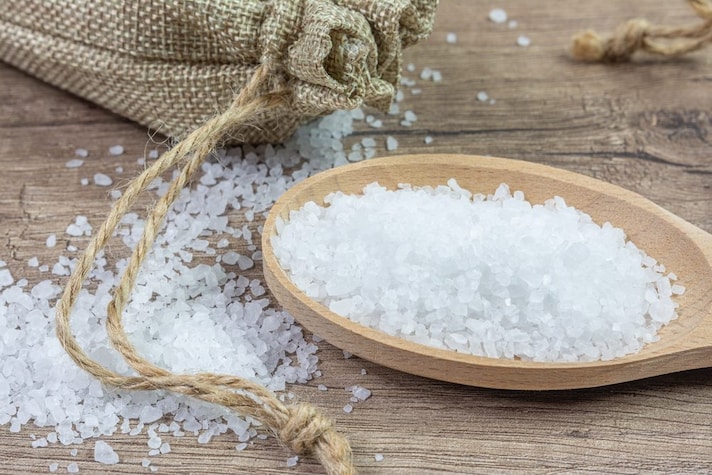
If you have glass bottles and carafes in which you usually store water (this also applies to glasses), after repeated use, they may develop spots caused by limescale. Not only is this unsightly, it's also unhealthy. How can you completely remove the limescale? In this case, the mixture you need is 750 ml of warm water, a handful of coarse salt, a handful of uncooked rice, and a glass of vinegar. Shake well for about a minute, let it sit for two hours, and then rinse with hot water. Salt, of any type, can be used in countless ways in the kitchen: in addition to removing stains, it can even clean rusted branches.
;Resize,width=767;)
