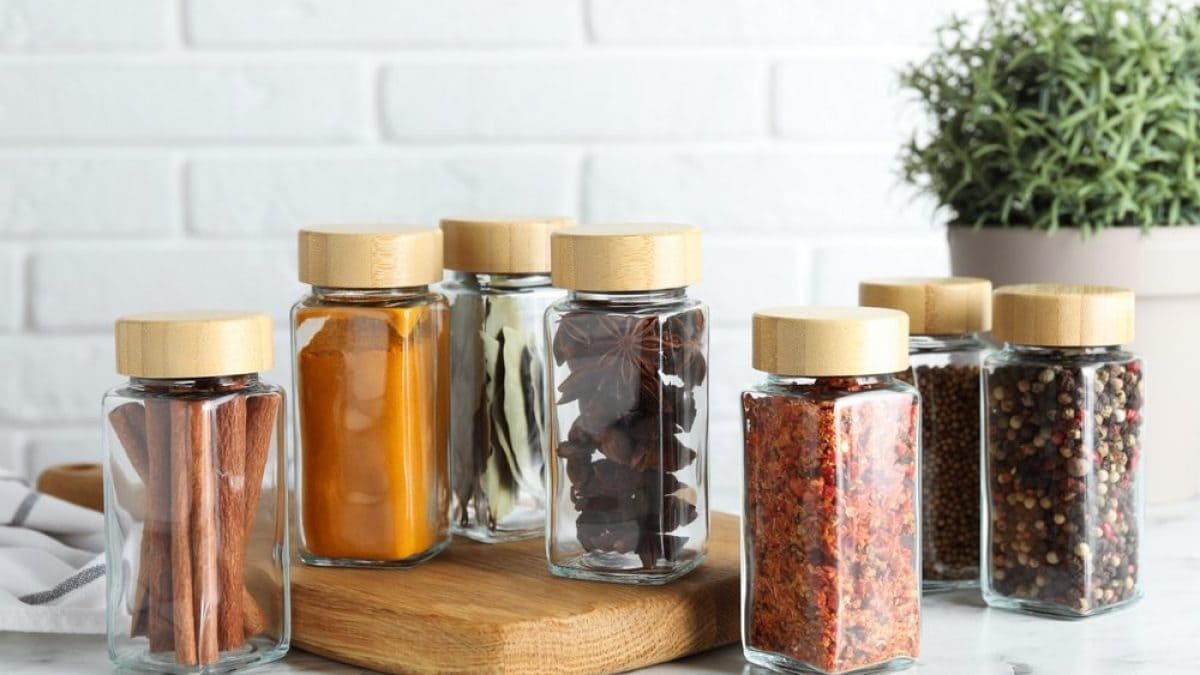
It's impossible to give a precise estimate of how many there are: the world of spices is vast and fascinating. What is certain is that some have spread worldwide, earning a permanent place in the kitchen, including pastry making. In desserts, some are (almost) essential, such as vanilla and cinnamon, while others are used less frequently, such as cardamom, especially when it comes to homemade preparations. Some spices are linked to traditional recipes, with roots that sink into the popular and peasant past, while others, however, are synonymous with creativity and contemporary influences. Below we have selected 12, including great stars and gems perfect for surprising.
What Spices Are Used in Baking?
Spices are a precious ingredient, once the preserve of the noble classes and synonymous with exclusive, rich, and refined recipes. They can be seeds, bark, flowers, buds, roots, or fruits: they have different aromas and flavors, but they all share truly unique organoleptic characteristics and beneficial properties. Added in powdered or infused form, single or mixed, a minimal amount is enough to give cakes, biscuits, and desserts a unique aromatic note.
1. Vanilla
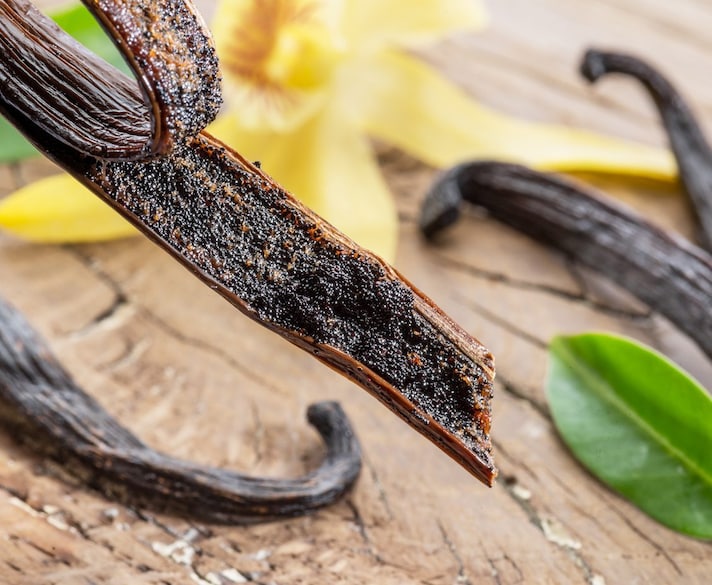
It is probably the queen of spices in desserts: scrolling through recipes for creams, mousses, puddings, biscuits, tarts, cakes, and ice creams, vanilla is omnipresent thanks to its rounded and enveloping aroma, sophisticated and delicious at the same time. It is a very popular but very expensive ingredient (it is the second most expensive spice after saffron) that is obtained from a tropical orchid: on the market it is found in the form of a pod, its most prized variant, from which the seeds are extracted by cutting them with a small knife. It can be left to infuse in hot milk or cream, or the seeds can be added directly to mixtures and doughs, as is done with vanilla extract, of which a few drops are enough. Precisely because of its price, artificial flavoring is often used – the common vial with clear liquid, which is cheaper – which partially imitates its characteristics.
2. Cinnamon

Available in sticks or powder form, its scent evokes wintery, Northern European atmospheres: we're talking about cinnamon, another iconic ingredient that never goes unnoticed. Its flavor is sweet, with slightly spicy notes, and its aroma is released when heated. This is why cinnamon is at its best in baked goods, from biscuits to cinnamon rolls, pairing perfectly with dried fruit, cocoa, and apples, as in strudel or in simple baked apples. A stick left to infuse flavors milk or cream, as in crème brulee, or it can be used to add depth to jams and preserves, from orange to apple.
3. Ginger
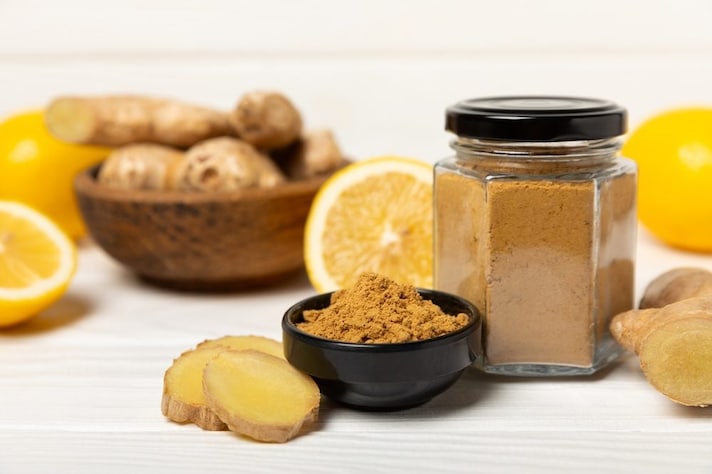
Ginger, with its fresh, pungent flavor, is a versatile spice for both sweet and savory recipes. Hailing from East Asia, its appearance is now familiar: it can be found fresh at the fruit and vegetable counter, in the form of an irregularly shaped root (or rhizome) for grating or slicing, or on the shelves, dried and candied. Its lively flavor pairs well with citrus fruits, honey, and dark chocolate. Among its most iconic recipes are Christmas ones, such as gingerbread cookies typical of Nordic countries, but it is also excellent in loaf cakes, muffins, and leavened products (including panettone), preferring the candied version.
4. Cardamom
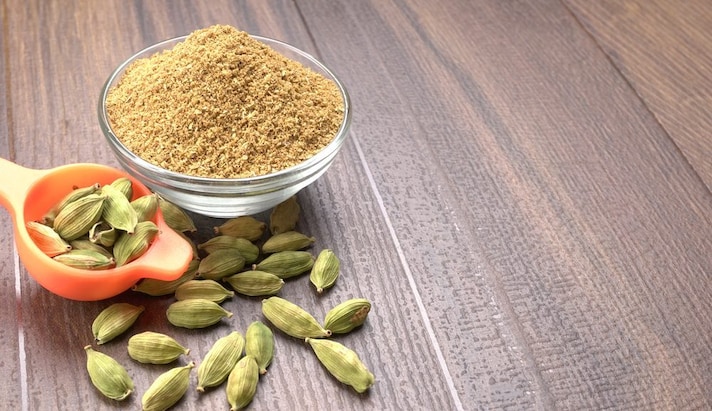
A spice native to India, cardamom has a fresh, slightly citrusy aroma with balsamic notes reminiscent of eucalyptus and mint. It is used in many cuisines around the world, from the Middle East to Scandinavia, where it enriches sweet breads and brioches (kardemummabullar). It can be used whole or ground, or it can be purchased in powdered form. The key is to use it carefully because it is very intense: ideal for enriching panna cotta and even hot chocolate.
5. Cloves

Small dried buds with a penetrating aroma, cloves are a popular spice in savory recipes, from broths to ragù. They give off an unmistakable, almost spicy aroma, which is also very satisfying in pastry making: whole, they are used with other spices in cooked fruit (such as pears in red wine), while in powdered form, they are often used in other spice mixes such as those used in speculoos cookies and pumpkin pie.
6. Anise and Star Anise
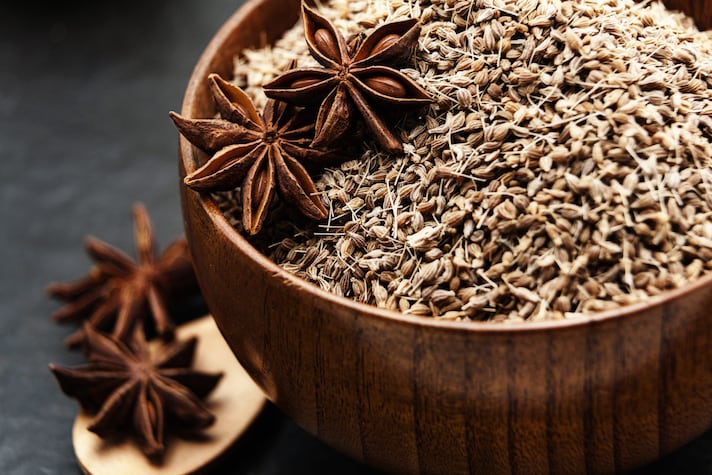
These are two different plants that share the same essential oil, anethole, which gives the classic fresh, sweet and aromatic scents, reminiscent of licorice and fennel. They are mainly used in wines and liqueurs that enrich confectionery preparations. As for the differences in use, anise seeds add an extra touch to dry biscuits for dipping, while star anise, with a more dramatic appearance, is added as an infusion in creams, puddings or syrups, such as that of our baked pears.
7. Nutmeg
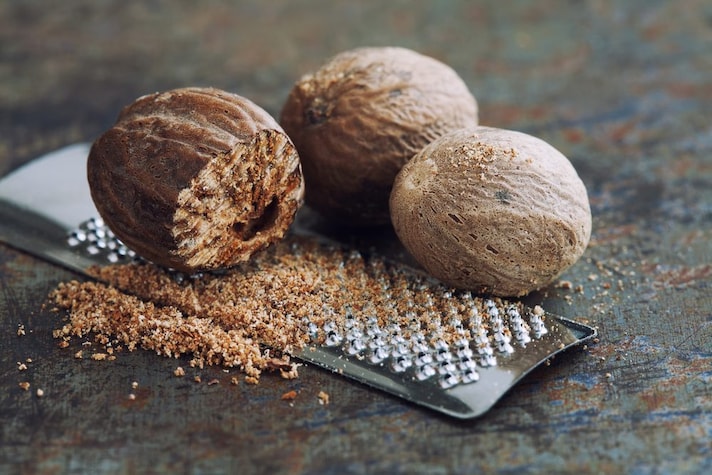
We add a little to mashed potatoes, ricotta and spinach mixtures, or pumpkin fillings for fresh pasta, and a pinch even goes into béchamel sauce: nutmeg is an elegant spice, with sweet, warm notes and a light spicy aftertaste. It's sold in powdered form or whole, with its seeds freshly grated to release its full aroma. In desserts, it pairs well with other spices like cinnamon or anise, making it perfect for biscuits, cake mixes, creams, and jams.
8. Mace
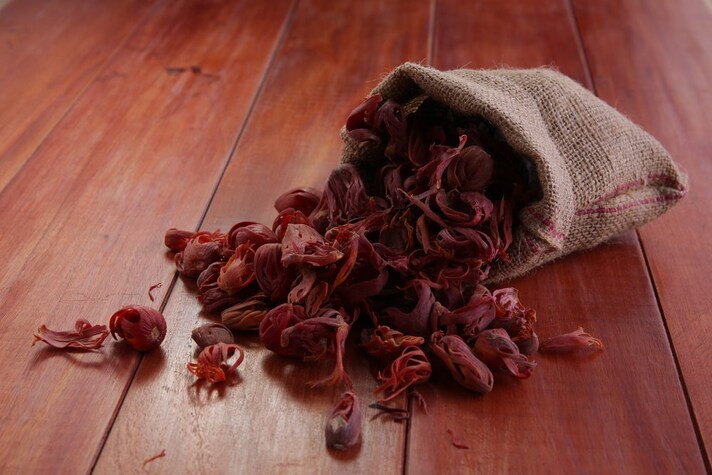
Less well-known than the previous one, mace is nothing more than the husk that surrounds the nutmeg seed: it is identified as the aril, but you will more frequently hear it called the nutmeg flower. When fresh, it is a bright red color: its use as a spice requires drying, which turns it orange. Its flavor is delicate and floral, and in desserts it is generally used to flavor sugar syrups, combined with lemon and other spices, such as cinnamon.
9. Saffron
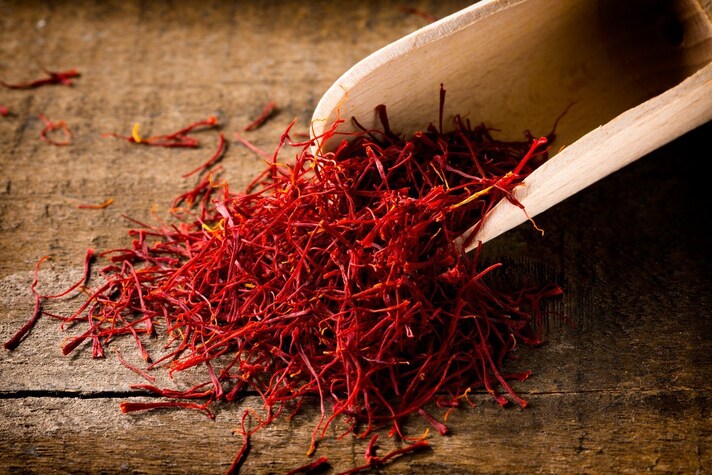
Known primarily for savory dishes that are a symbol of Italian gastronomy, saffron is also used in pastry making, especially in the regions where it is most widely grown and by pastry chefs who love to experiment. It is available in powdered form and in threads, the latter of which should be dissolved in water, milk, or cream before use. Incorporated into cake mixes, it lends a golden yellow color and a refined flavor. It is perfect in leavened products, such as brioche or donuts, with raisins and lemon, but also in creams, ice cream, cakes, and biscuits.
10. Turmeric
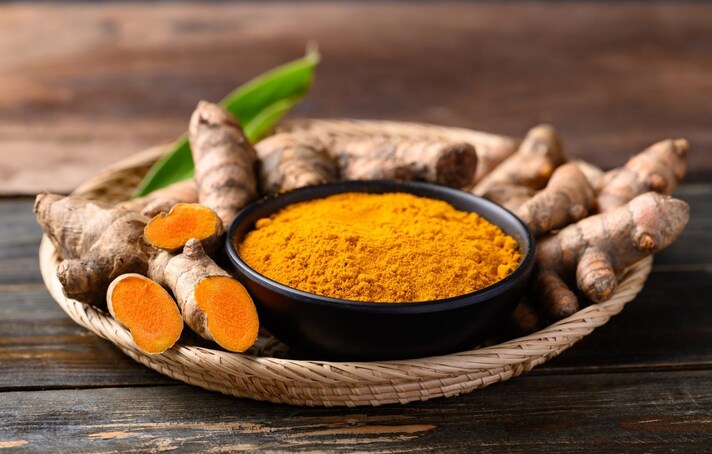
Turmeric is often used to add color to a dish or drink, thanks to its yellow hues: we find it in potatoes, zucchini, but also in risotto and pasta dishes. Compared to other spices, its flavor tends to be sweet, which is why it's an excellent ally in desserts, especially in vegan recipes and those with a focus on health, given its many benefits. How do you get started? Prepare a vegan custard or a breakfast cake without eggs or butter, adding turmeric powder.
11. Tonka Bean
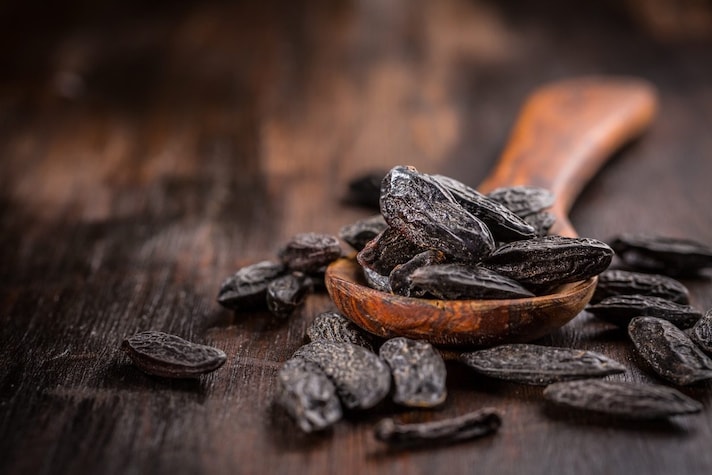
Here's a spice that has won over pastry chefs in recent years, but it's less easy to find than others. Tonka bean has an intense aroma, reminiscent of vanilla, almond, and honey combined. Grated in small amounts just before use (like nutmeg), it enriches creams, mousses, panna cottas, ice creams, and fresh fruit salads, with pineapple, strawberries, and kiwi. It's very powerful, so you only need a small amount to achieve a surprising effect. What is it? It's the seeds of the fruit of a South American plant, Dipteryx odorata, which belongs to the legume family: the seeds are dried, dark brown, almost black, and about the size of an almond.
12. Pepper
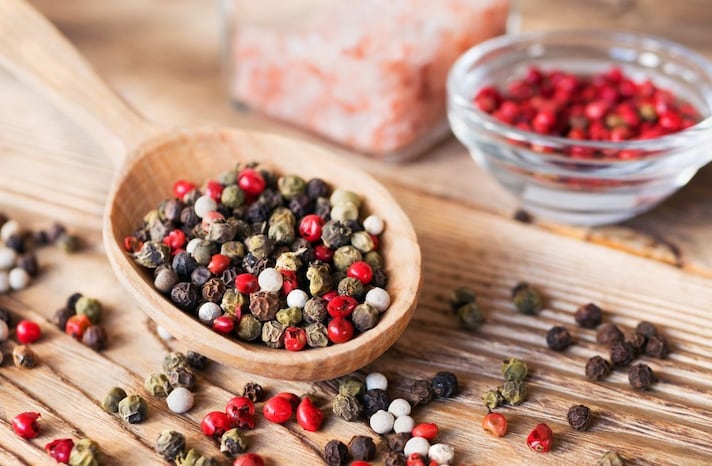
Although best known in savory dishes, pepper, the king of spices (if vanilla is queen), also finds its way into desserts, especially when it comes to regional recipes tied to holidays.
;Resize,width=767;)
