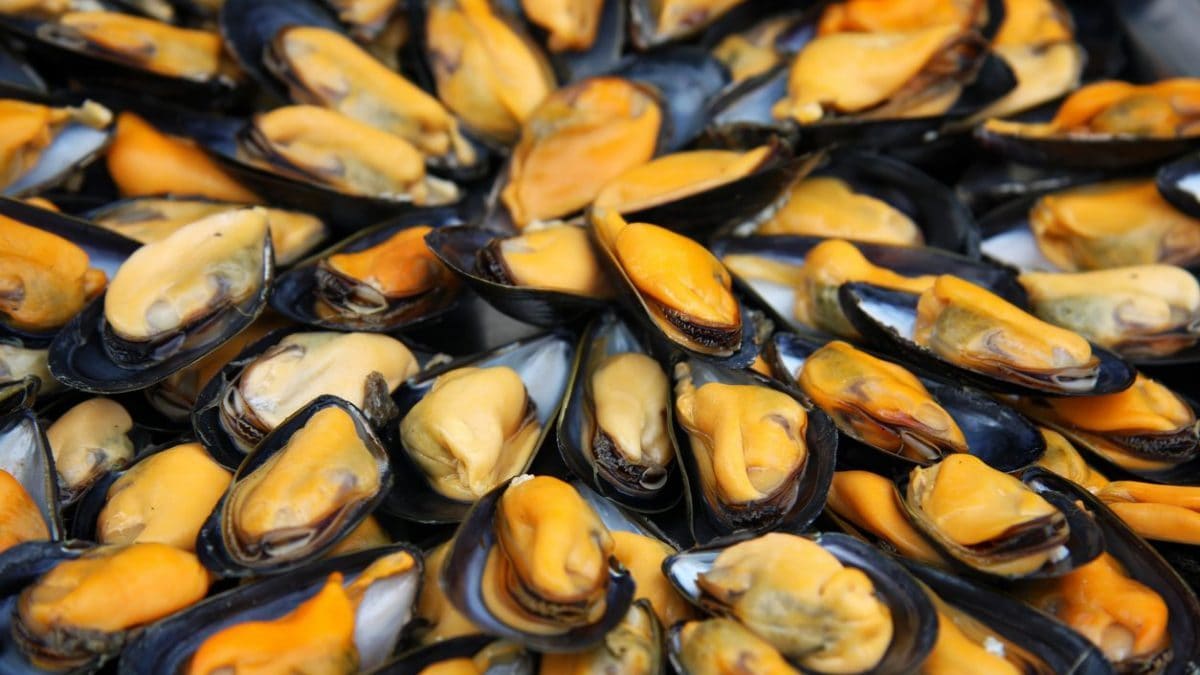
We've known for years that mollusk shells are extremely useful for purifying water, and they're commonly used to clean rivers (like oysters in New York) and the seabed near cities. In Poland, they've been thinking for some time about applying this peculiarity to "human" use: a "team" of river mussels has been enlisted to safeguard water quality and help make it drinkable. In Warsaw, mussels serve as exceptional sentinels, and it's a wonderful way to think about this model, especially in a city where history and modernity blend together in a fascinating mosaic. A low-cost seafood product that replaces (or rather, complements) modern technologies.
An Initiative as Ingenious as It Is Discreet
Water monitoring is usually entrusted to sophisticated technological equipment, but mussels are valuable allies. Their sensitivity to chemical contaminants and impurities makes them natural indicators of potential threats to water purity.
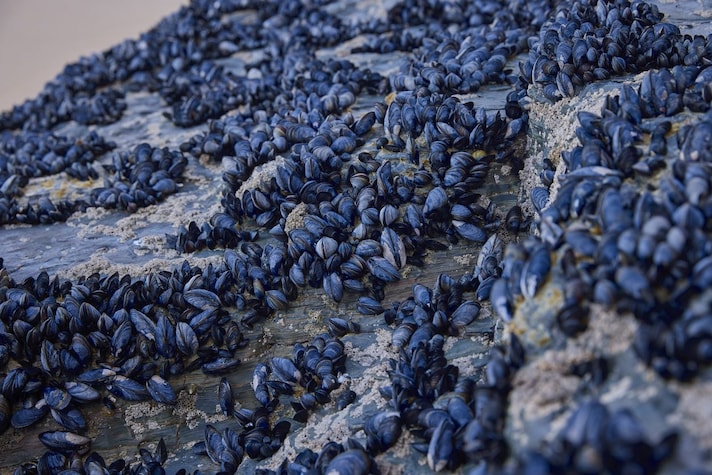
The Wodociągi Warszawskie water company, aware of the importance of this natural contribution, has implemented a cutting-edge biomonitoring system. Mussels, belonging to the Mytilus trossulus species, are collected from their natural habitat, carefully selected, and "trained" for their task. The process is as simple as it is effective: the mussels are attached to a holder connected to a probe immersed in the water. A sensor constantly monitors the opening of their valves, a valuable indicator of water quality. If the mussels sense the presence of harmful substances, they close their valves to protect themselves, sending an alarm signal to the monitoring team.
This ingenious system, in addition to ensuring accurate and constant monitoring, is completely painless for the animals. After three months of service, the mussels are released into their natural habitat, ready to continue their life cycle. It's like they're doing military service: they're drafted, perform their duties at the front, and then return home with an honorable discharge.
This technique is also used in other parts of the world, but often with the goal of protecting the overall environment. In the United States, monitoring programs for water and naturally occurring bivalve mollusks are required at designated sites, with collected samples undergoing bacteriological and chemical analysis. However, the primary purpose is to ensure the safety of shellfish for human consumption rather than just protecting the mollusk habitat. State agencies such as the NOAA Fisheries and local Department of Health shellfish programs oversee these monitoring efforts to maintain both environmental and consumer safety standards.

