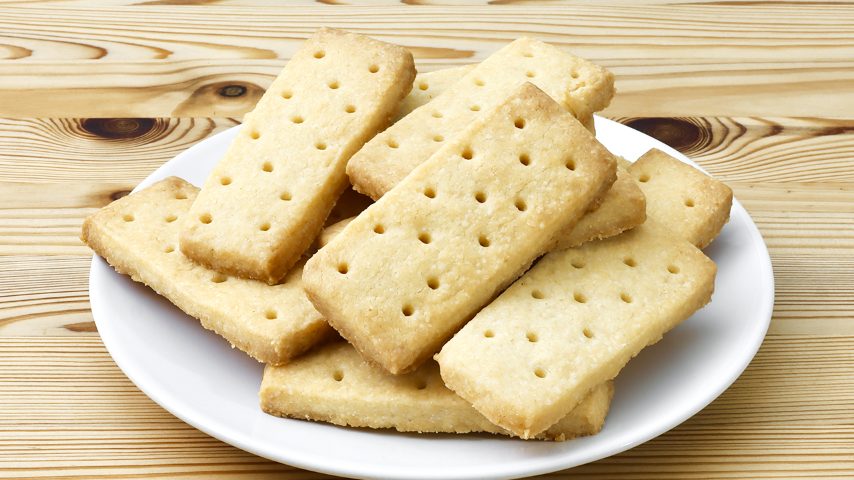
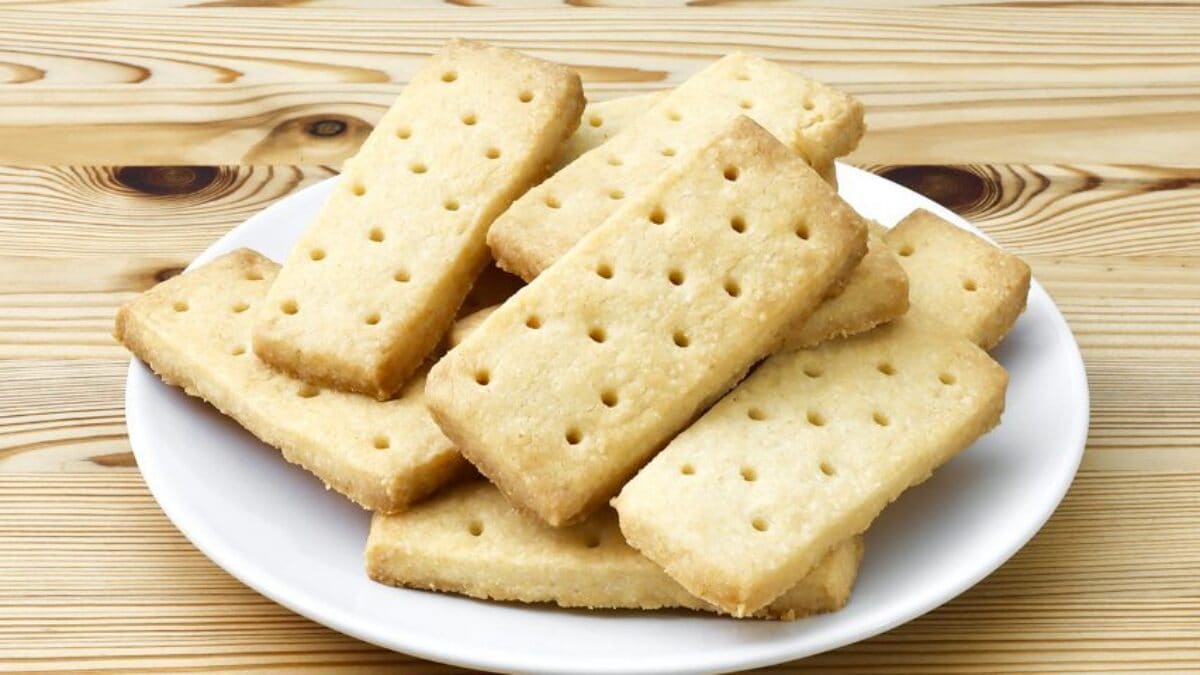
With only flour, sugar, butter, and a pinch of salt, these iconic biscuits have earned a place on tea tables, holiday platters, and cookie tins for centuries. Their crisp texture makes them just as welcome with an afternoon cup of tea as they are wrapped up as a thoughtful homemade gift.
You just need to combine flour with cold butter until the mixture resembles fine crumbs, stir in sugar and salt, gently bring everything together into a dough, and bake.
What Is Shortbread?
Unlike many cookies that rely on eggs or leavening agents, traditional shortbread sticks to the basics. Flour provides structure, sugar adds sweetness, and butter binds everything together into a dough that bakes into firm yet delicate biscuits.
The word short doesn't refer to the size of the biscuit. In traditional baking, it describes a dough with a high fat content that creates a tender, crumbly texture. This style of baking has been enjoyed for hundreds of years.
Pro Tips for the Best Shortbread
- Cold butter blends beautifully with the flour and creates the fine, crumbly texture that makes shortbread so distinctive. Avoid softened butter for this particular recipe.
- Once the dough comes together, stop kneading. Too much handling develops gluten, which can make the biscuits firmer than intended.
- Straight edges create classic bakery-style shortbread fingers. Don't skip this step if you want neat, professional-looking biscuits.
- Those little holes aren't simply decorative. They help steam escape, reducing the chance of bubbles forming during baking.
- Shortbread isn't meant to become deeply browned. Remove the biscuits once the edges develop a light golden tint while the tops remain pale.
Frequently Asked Questions
Why Does My Dough Feel Too Crumbly?
A crumbly dough is perfectly normal during the early stages. Keep gently pressing it together with your hands instead of adding liquid right away. If it still refuses to hold after several minutes, check that your butter measurements were accurate before making any adjustments.
Why Didn't My Shortbread Hold Its Shape?
Warm dough is usually the biggest reason. If the butter softens too much before baking, the biscuits may spread more than expected. Chilling the dough thoroughly and working quickly while cutting helps maintain those clean rectangular edges.
What Can I Serve with Shortbread?
Shortbread pairs beautifully with tea, coffee, hot chocolate, or even a glass of cold milk. It also makes a lovely companion to fruit preserves, citrus curd, or a scoop of vanilla ice cream for an easy dessert.
How to Store Shortbread
They stay fresh at room temperature for about one week. For longer storage, freeze the baked biscuits in a freezer-safe container for up to three months. You can also freeze the unbaked dough, tightly wrapped, for up to three months. Defrost it overnight in the refrigerator before rolling and baking.
Ingredients
How to Make Shortbread Biscuits
;Resize,width=712;)
Add the flour and the butter pieces to a food processor or mixer. Blend until the mixture resembles fine, sandy crumbs with no large chunks of butter remaining.
Add the flour and the butter pieces to a food processor or mixer. Blend until the mixture resembles fine, sandy crumbs with no large chunks of butter remaining.
;Resize,width=712;)
Transfer the crumb mixture to a bowl, and add the sugar and the pinch of salt.
Transfer the crumb mixture to a bowl, and add the sugar and the pinch of salt.
;Resize,width=712;)
Then stir the mixture together with a spoon.
Then stir the mixture together with a spoon.
;Resize,width=712;)
Switch to using your hands and gently press the mixture together. Continue kneading just until a smooth, workable dough forms.
Switch to using your hands and gently press the mixture together. Continue kneading just until a smooth, workable dough forms.
;Resize,width=712;)
Move the dough onto your work surface and continue gently kneading until it forms a rectangular block.
Move the dough onto your work surface and continue gently kneading until it forms a rectangular block.
;Resize,width=712;)
Wrap the dough tightly in plastic wrap and refrigerate for about 30 minutes.
Wrap the dough tightly in plastic wrap and refrigerate for about 30 minutes.
;Resize,width=712;)
Lightly flour your work surface if needed and roll the chilled dough into a rectangle.
Lightly flour your work surface if needed and roll the chilled dough into a rectangle.
;Resize,width=712;)
Use a knife to trim the edges until you have a rectangle measuring approximately 30cm × 20cm.
Use a knife to trim the edges until you have a rectangle measuring approximately 30cm × 20cm.
;Resize,width=712;)
Using a pastry wheel or a sharp knife, cut the dough into rectangles measuring roughly 10cm × 3cm.
Using a pastry wheel or a sharp knife, cut the dough into rectangles measuring roughly 10cm × 3cm.
;Resize,width=712;)
Transfer to a baking tray lined with parchment paper and use a wooden skewer to prick small holes across each biscuit.
Transfer to a baking tray lined with parchment paper and use a wooden skewer to prick small holes across each biscuit.
;Resize,width=712;)
Bake in a preheated 180°C (350°F) oven for 15 minutes.
Bake in a preheated 180°C (350°F) oven for 15 minutes.
;Resize,width=712;)
Allow the shortbread to cool completely on the tray before serving. Enjoy!
Allow the shortbread to cool completely on the tray before serving. Enjoy!
;Resize,width=767;)
