
If you walk down the baking aisle of any modern supermarket and pick up a bottle of classic light or dark corn syrup, you might feel a sudden twinge of nutritional anxiety. For the past few decades, anything with the words "corn" and "syrup" printed on the label has been treated by wellness influencers and diet culture as public enemy number one. It has been blamed for everything from the global obesity epidemic to metabolic decline.
Because of this intense social stigma, many home bakers have completely banished it from their pantries, replacing it with "natural" alternatives like honey, maple syrup, or agave nectar under the assumption that they are making a vastly healthier choice.
But if we strip away the marketing hype and look strictly at food chemistry, a surprising truth emerges. Much of the panic surrounding the bottle of corn syrup in your pantry is born out of a massive case of mistaken identity.
Corn Syrup vs. HFCS
Let’s clear up a major piece of food gossip right out of the gate: regular corn syrup is not the same thing as High-Fructose Corn Syrup (HFCS). While they sound identical, they are entirely different ingredients structurally, chemically, and functionally.
Regular Kitchen Corn Syrup
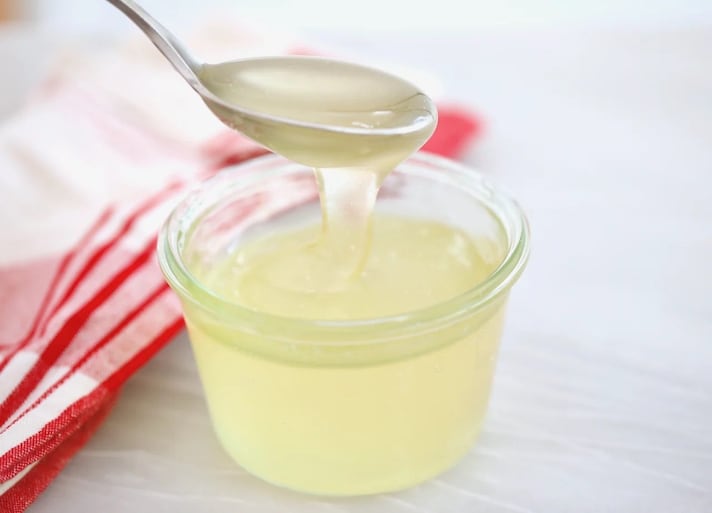
The liquid syrup you buy in a bottle to make pecan pie or homemade candy is made by breaking down the starches in corn into individual molecules of pure glucose. It is 100% glucose sugar suspended in water. It is actually not intensely sweet compared to regular table sugar.
High-Fructose Corn Syrup (HFCS)
This is an industrial sweetener that you cannot buy at a grocery store. It starts out as regular corn syrup, but manufacturers introduce specific enzymes to chemically convert a large portion of that glucose into fructose (the sugar naturally found in fruit). Because fructose is incredibly sweet, this chemical rewrite allows industrial food corporations to use less of it to intensely sweeten sodas, fast food, and highly processed snacks cheaply.
How Your Body Processes the Chemistry
To understand if corn syrup is uniquely "bad" for you, you have to look at how your organs manage glucose versus fructose. When you consume regular corn syrup (100% glucose), every single cell in your body can use that glucose immediately for energy. Your pancreas releases insulin, your muscles absorb the sugar, and it clears out of your bloodstream. Because it is pure glucose, it does have a very high glycemic index, meaning it will spike your blood sugar rapidly.
When you consume table sugar (sucrose) or HFCS, you are consuming a 50/50 split of glucose and fructose. Fructose cannot be processed by your cells for immediate energy. Instead, it travels straight to your liver, which has to do all the heavy lifting to break it down. When the liver is flooded with massive amounts of fructose (like chugging a 32-ounce soda packed with HFCS), it gets overwhelmed and starts converting that excess sugar directly into liver fat.
Gram for gram, the regular corn syrup you use to bake a batch of holiday cookies is actually easier for your liver to metabolize than standard white granulated table sugar, raw honey, or organic maple syrup—all of which contain significant amounts of fructose.
So, Is It Bad for You?
The short answer is no, it is not a unique chemical poison—but it is still an added sugar. From a strict nutritional science perspective, your body does not view organic, raw cane sugar or artisanal honey as "virtuous" and corn syrup as "evil." At the end of the day, all added sweeteners are simple carbohydrates that provide empty calories with minimal to no vitamin or mineral density.
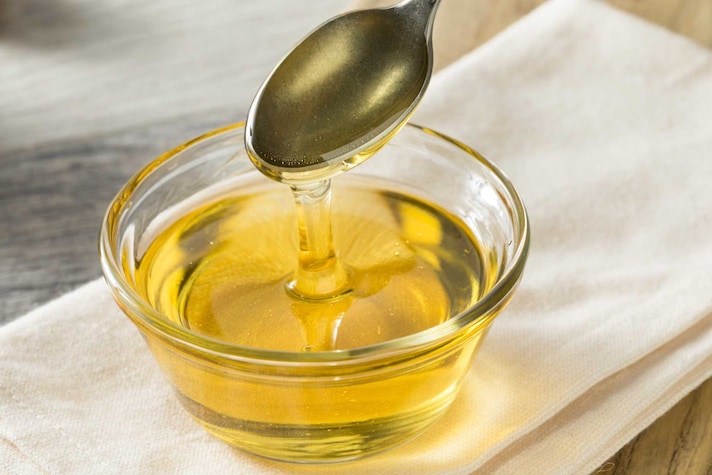
If you are consuming regular corn syrup in massive, daily quantities, it will contribute to insulin resistance, weight gain, and dental decay, just like any other sugar. However, using a quarter-cup of light corn syrup in a seasonal dessert isn't inherently worse for your health than using a quarter-cup of honey or coconut sugar. The dose makes the poison.
Why Pastry Chefs Insist on Using It
If health-wise it's just another sugar, why do recipes call for it instead of regular granulated sugar? It all comes down to the physics of crystallization. Granulated sugar is made of crystals. When you melt it down to make a caramel sauce, a chocolate glaze, or a batch of fudge, those sugar molecules naturally want to cling back together and reform into hard, grainy crystals. If even one microscopic crystal forms on the side of your pot, it can trigger a chain reaction that turns your smooth sauce into a gritty, ruined mess.
Because regular corn syrup is made of long chains of pure glucose, it acts as an "interfering agent." The long molecules physically get in the way of the regular sugar crystals, preventing them from binding together. This is what gives professional holiday glazes their brilliant, mirror-like shine and ensures your pecan pie sets into a smooth, velvety custard rather than a grainy paste.
;Resize,width=767;)
