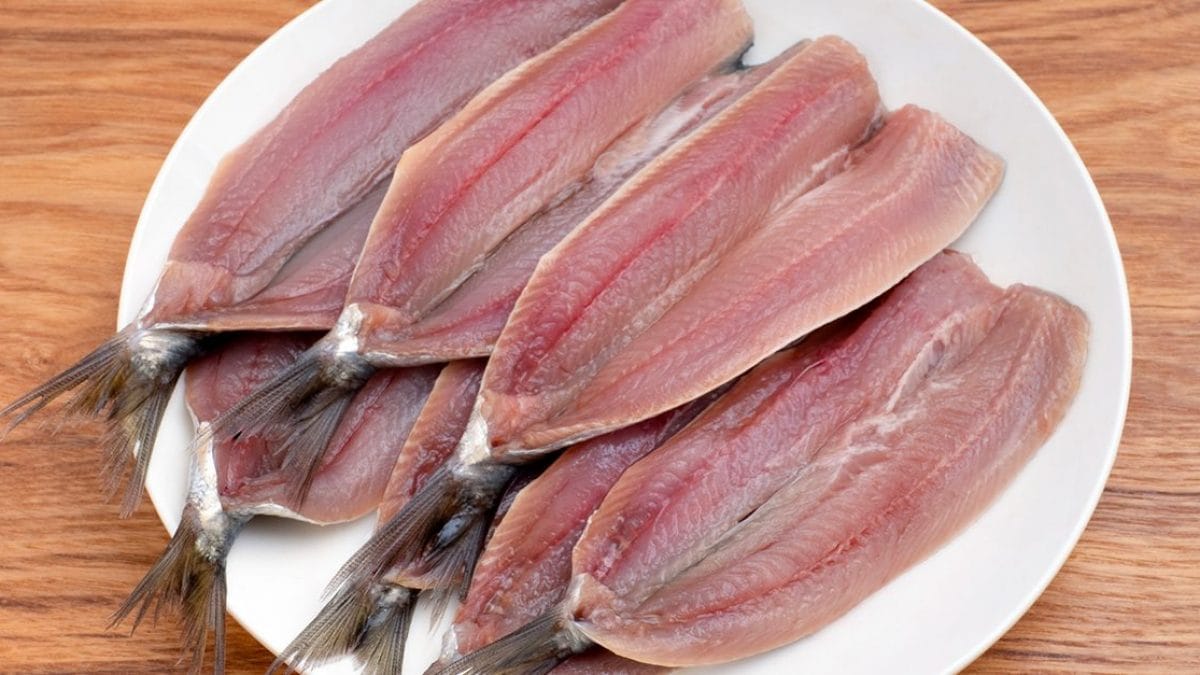
When buying fresh fish, one of the most common dilemmas concerns format: is it better to buy whole or sliced? The answer, as often happens in cooking, depends on several factors: product quality, convenience, type of recipe, and familiarity with the kitchen are some of the elements to consider when shopping. Generally, it's preferable to opt for whole fish as it offers greater guarantees: it's easier to recognize the value of the raw material by observing it as a whole rather than a piece, its organoleptic and nutritional properties are better preserved, and it's less likely to encounter unpleasant surprises (if not outright fraud). On the other hand, pre-cut fish is a must-have option, for example with large fish species like tuna, salmon, or swordfish, which are rarely brought home unportioned, and it's very convenient because it's ready to use. Below, we look at the pros and cons of both options.
Pros and Cons of Whole Fish
Let's start with the version traditionally held in the highest regard: the whole fish. The first and most important reason why it is considered superior lies in the ability to verify its freshness by carefully observing it: the eye should be bright and protruding, the gills red and moist, the flesh firm, and the skin shiny. These details, now familiar to those who frequent markets and fishmongers—or are familiar with the raw material—are among the key indicators of the condition of the fish, guiding the consumer towards an informed choice. However, when purchasing a fillet, especially if the skin is removed, these checks are no longer possible in a comprehensive manner.
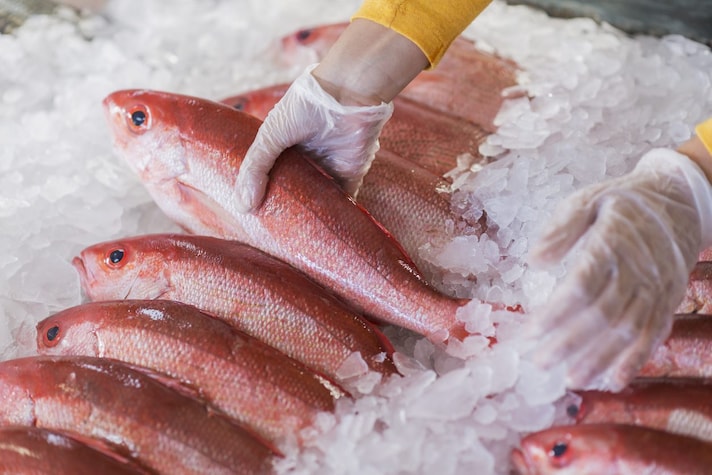
Another plus is flavor: a whole fish, properly stored during transport, retains its organoleptic properties intact, offering superior quality. Perhaps not everyone knows that the bones and skin help preserve the flesh's moisture, making it juicier and more flavorful: many classic Mediterranean recipes, from salt crusted sea bass to fish in crazy water, emphasize the absence of preliminary processing, serving the fish as is. From this perspective, some disadvantages must be considered: gutting, scaling, and filleting are operations that require time and skill. The cooking method can also be more demanding, requiring greater attention to timing and temperatures to avoid the fish remaining raw inside or, conversely, becoming stringy.
One thing to consider is that some of the weight will be lost, including the head, tail, bones, and innards. Depending on the preparation, however, these scraps can be used to reduce waste, making broths and fish stocks. If you're not experienced but still want to serve the whole fish, you can ask your fishmonger to clean it or opt for whole products, but only the innards have been removed.
Pros and Cons of Fish Fillets
Let's start with the big pro: fish fillets are convenient, ready to cook, often boneless, and therefore ideal for those who need to cook quickly and versatilely, adapting to the most varied preparations, from pan-frying to steaming, including grilling, and it is also perfect in sauces and soups where only the flesh is needed.
Please note: Direct exposure of meat to air accelerates oxidative and microbiological processes, leading to faster deterioration. However, this does not necessarily mean that the quality is lower than that of a whole fish: fish species must have their own identity card to be fully traceable. Therefore, always check the label before purchasing and consult your trusted retailer, a rule that applies to both options.
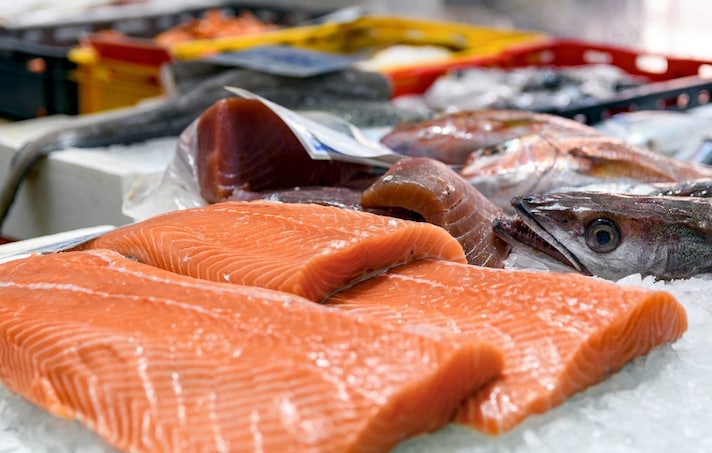
Sometimes you come across irregular situations where one type of fish is passed off as another because, once cut up, it is more difficult to recognize. This happens with large fish: less valuable specimens appear on the shelves at the cost of the "original", such as the blue shark or the porbeagle shark replacing the swordfish, but it is also common with mollusks, with calamari rings actually being squid rings, the cheaper of the two cephalopods. As for oily fish such as sardines, anchovies, and mackerel, the best way to take advantage of all their benefits (they are rich in omega-3) is to cook them whole or fillet them on the spot.
Finally, the economic aspect must also be considered: fish fillets, of the same species, cost more per kilo than whole fish, precisely because they consist exclusively of the edible part. This price tag, for many, may be worth it precisely because of the advantage of not having to process it at home.
;Resize,width=767;)
