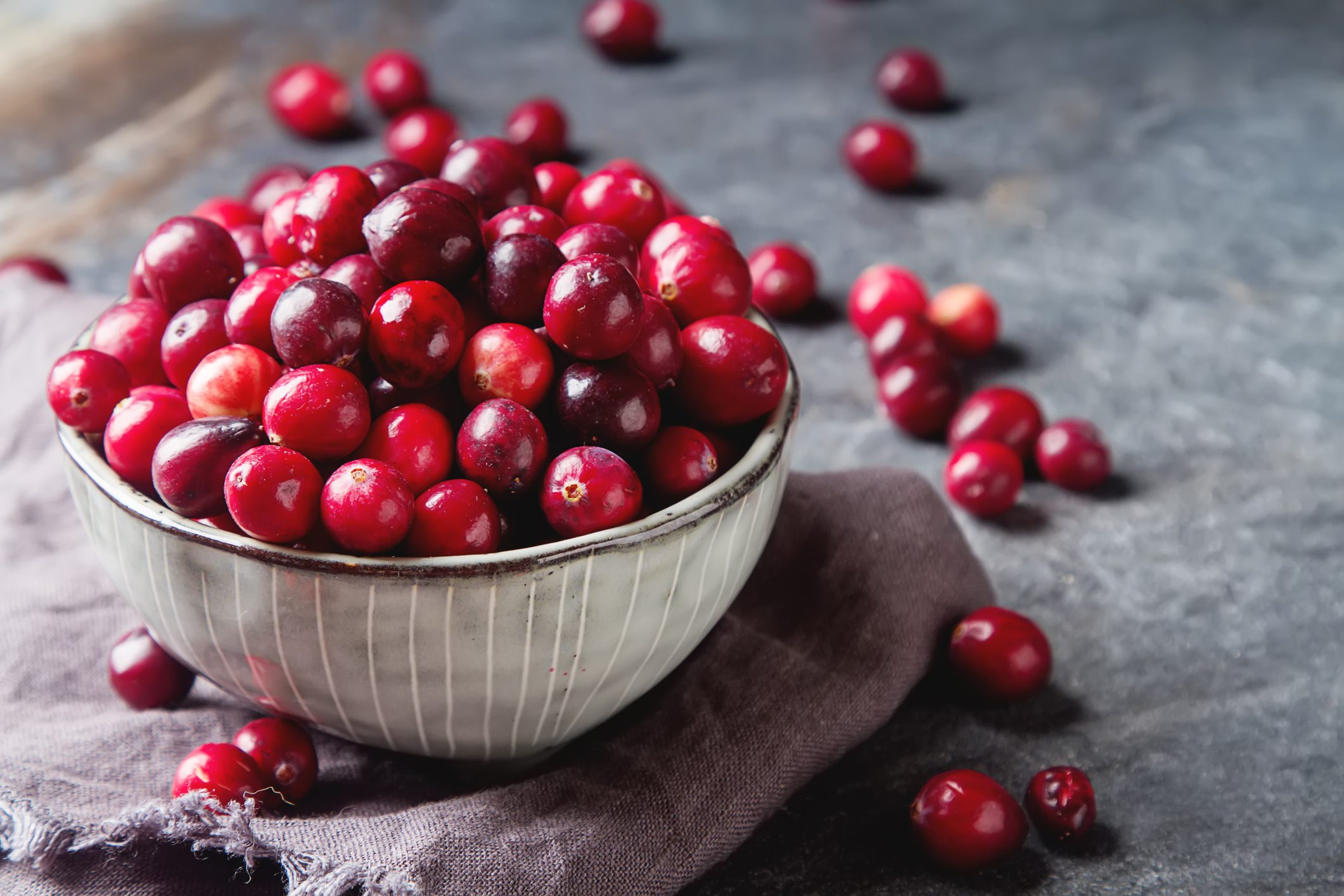
Yes, it is completely safe to eat raw cranberries, provided your palate can handle their intense, mouth-puckering astringency. While most of the world consumes these bright red berries boiled down with sugar into holiday sauces or baked into sweet muffins, eating them in their raw, uncooked state is actually the most effective way to absorb their maximum nutritional benefits. However, before you start eating them by the handful like blueberries, there are a few digestive realities and culinary tricks you should keep in mind.
The Nutritional Power of the Raw Berry
When you skip the cooking process and avoid the refined sugar required to make cranberry sauce or sweetened dried cranberries (Craisins), you are left with a low-calorie, incredibly nutrient-dense superfood.
- Antioxidant Powerhouse: Raw cranberries are loaded with a specific class of antioxidants called proanthocyanidins (PACs). These are the compounds famous for preventing bacteria (like E. coli) from binding to the walls of the urinary tract.
- Immune Support: A single cup of raw, chopped cranberries contains roughly 25% of your recommended daily allowance of Vitamin C.
- Blood Sugar Control: Because they are naturally very low in sugar and high in dietary fiber, raw cranberries have a minimal impact on blood glucose levels, making them a safe fruit for diabetics.

The Health Risks of Eating Too Many
While safe to consume, raw cranberries should be treated as an accent ingredient rather than a snack you eat by the bowlful. Overconsuming the raw fruit can lead to several adverse side effects. Cranberries are highly acidic. Eating a large volume of raw, unbroken berries on an empty stomach can easily trigger acid reflux, heartburn, or severe gastrointestinal distress, including cramping and diarrhea.
Cranberries naturally contain high levels of oxalates. For the average person, this is harmless, but individuals with a history of calcium-oxalate kidney stones are typically advised by urologists to strictly limit their raw cranberry intake. Cranberries contain compounds that alter how the liver breaks down certain drugs. Consuming large amounts of cranberries (raw, in juice, or as supplements) can dangerously amplify the effects of blood-thinning medications like Warfarin (Coumadin).
How to Eat Raw Cranberries (and Actually Enjoy Them)
Biting into a whole, raw cranberry is an aggressive sensory experience—the skin is tough, the flesh is incredibly crisp, and the flavor is bracingly bitter. To enjoy them raw without wincing, you need to break down their structure and balance their acidity.
1. Pulse Them into a Fresh Salsa
One of the most popular ways to eat raw cranberries is to treat them like tomatoes. Pulse raw cranberries in a food processor with fresh jalapeños, cilantro, red onion, lime juice, and a modest pinch of sugar or drizzle of agave. The acid and heat perfectly balance the berry's tartness, creating a vibrant salsa for tortilla chips or grilled meats.

2. Blend Them into Smoothies
Drop a small handful of raw or frozen cranberries into your morning blender. When paired with naturally sweet fruits like ripe bananas, mangoes, or sweet cherries, the cranberries provide a bright, tart kick that cuts through the heaviness of the smoothie without overpowering it.
3. Shave Them into Salads
Do not drop whole cranberries into a salad. Instead, use a sharp chef's knife to finely chop or shave them. Tossed into a hearty winter kale or spinach salad, the tiny raw cranberry pieces act as tiny bursts of acid, functioning similarly to a squeeze of fresh lemon juice or a sharp vinaigrette.

