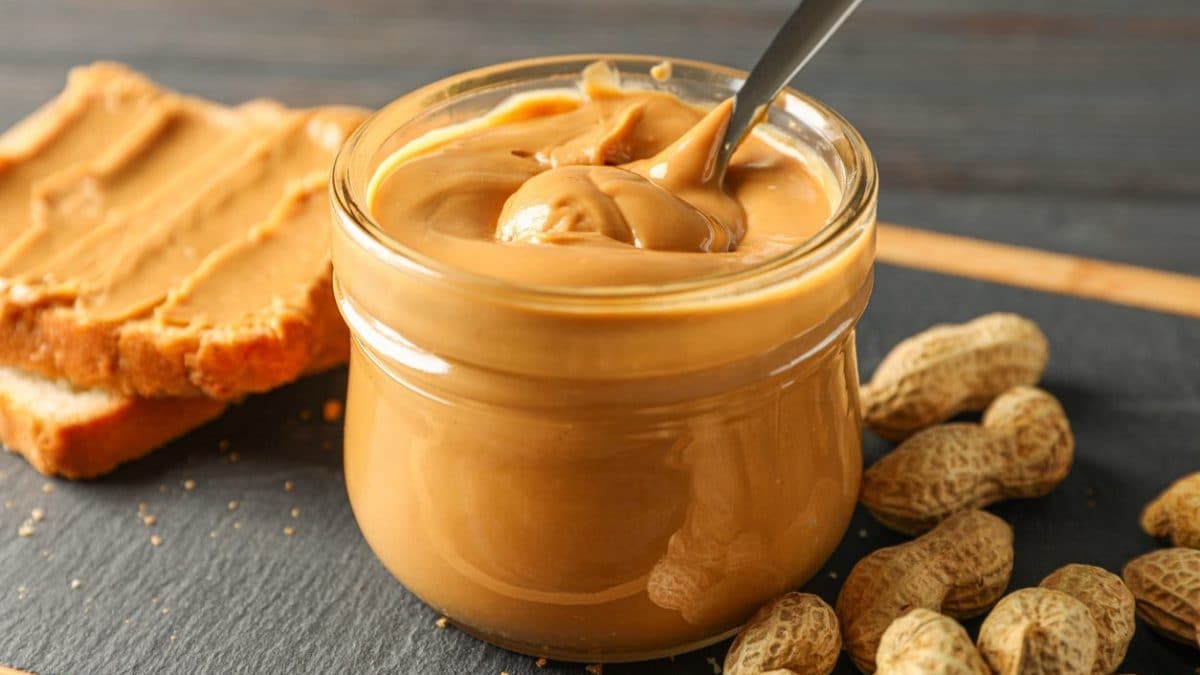
An iconic American staple, peanut butter is a delicious spread made from roasted peanuts. Botanically, these irresistible seeds belong to the Fabaceae family, the same as beans, lentils, chickpeas, and broad beans, but nutritionally, they are similar to tree nuts.
Rich in good fats and high in energy, peanut butter has seen mixed fortunes over the years: from being a high-calorie food to be avoided if you want to lose weight, to being a magical metabolism booster, celebrated in marketing and advertising for its protein content (we'll see later that this isn't exactly the case), it's quite easy to come across information that's sometimes incorrect or misleading.
So: is peanut butter good or bad for you? What ingredients should it really contain, and what's the best amount to consume? We asked these questions to Dr. Simone Gabrielli, biologist and nutritionist, who helped us clarify the issue once and for all.
What is Peanut Butter?
Peanut butter is a spreadable cream made simply by grinding roasted peanuts. We can make it at home or, if we're short on time or don't have a powerful blender, buy it ready-to-eat. On grocery store shelves, you can find different types of product: the creamy version, for those who love a smooth texture, the crunchy version, for those who love a crunchy touch, and then the cinnamon-, cocoa-, and other flavored varieties for those who want to experiment in the kitchen.
Beyond the countless options available to us, and therefore our personal tastes, it's important to read the product label carefully. A good peanut butter should contain only peanuts and, at most, a pinch of salt. "No sugars, added oils, or other superfluous ingredients," Gabrielli immediately points out. Therefore, all products containing added sugars or synthetic sweeteners and vegetable fats such as sunflower, canola, soybean, or palm oil, which, when processed at high temperatures, can produce potentially toxic substances such as trans fatty acids, should be avoided.
Another important aspect concerns the origin of peanuts: most of them are imported from abroad, in particular China, India and the United States of America, and for this reason it is preferable to orient oneself towards those products of excellent quality and coming from organic farming.
Peanut Butter Properties
Flavorful and creamy in texture, peanut butter is rich in nutrients and boasts a highly beneficial nutritional profile. A high-energy product, it has an excellent lipid profile: it contains a good percentage of unsaturated fats, at the expense of saturated fats, "which we know we need to limit to avoid cardiovascular problems," explains our expert.
Most of the fat in peanut butter consists of monounsaturated fatty acids, primarily oleic acid, and polyunsaturated fatty acids, such as linoleic acid, which are essential for heart health. With approximately 25 grams of protein per 100 grams of product, it can be considered a good source of plant-based protein and amino acids.
Among the micronutrients, magnesium, potassium, and phosphorus stand out —minerals essential for muscle and bone health—and B vitamins, which are crucial for energy metabolism and nervous system health. "Thanks to its fat and protein content," Gabrielli continues, "it's also very satiating: a small amount is enough to keep you feeling satisfied for longer, which can also be helpful if you're trying to control your weight." It's also an excellent source of fiber, mostly insoluble, which promotes intestinal transit and combats constipation.
That said, peanut butter is a very high-calorie food, containing approximately 625 calories per 100 grams, and like all energy-dense foods, it should be consumed in the right quantities, frequencies, and even in the most appropriate combinations. Furthermore, it also contains omega-6 fatty acids, polyunsaturated fats that, if not properly balanced with omega-3s, can fuel pre-existing inflammation.
This is why dried fruit in general, despite being an excellent source of fat, should never replace extra virgin olive oil, our primary condiment.
The Benefits of Spreadable Cream
Thanks to its richness in good fats and vegetable proteins, and to a decidedly interesting nutritional profile, the moderate consumption of "real" peanut butter can bring several benefits.
Ally of The Heart and Cardiovascular System
With a supply of approximately 54 grams of lipids per 100 grams of product, peanut butter is a privileged source of so-called good fats: most of these are made up of monounsaturated and polyunsaturated fatty acids, essential for the health of the heart and the cardiovascular system.
Glycemic Stability and Great Satiety
The excellent fat and plant-based protein content makes peanut butter a very satisfying food —when consumed, of course, in the right portions—and it helps to more gently regulate blood sugar levels, keeping us fuller and also more adherent to a diet plan. In particular, it has been shown that consuming peanut butter, combined with a source of carbohydrates, a source of protein, and a source of fiber, slows gastric emptying and, consequently, glucose absorption from the intestine, preventing glycemic spikes.
Despite its high caloric density, peanut butter can be considered a precious ally for those following a weight-loss diet: a small amount, combined synergistically with other macronutrients, is enough to feel satisfied for longer.
Muscle and Energy Support
The good concentration of plant-based proteins and minerals, such as magnesium, potassium, and phosphorus, makes peanut butter a functional food for muscle and bone health. Low in sugar, it provides gradual energy release, combats fatigue, and is an excellent natural tonic. It should not be consumed immediately before physical activity: fats, which take longer to digest, could compromise performance.
How Much Peanut Butter Should You Eat?
As mentioned, peanut butter is a decidedly high-calorie food and rich in fats. While "good" and therefore beneficial, fats should always be consumed in moderation and in the right quantities. "A reasonable serving is about a tablespoon (10-15 grams), once or twice a day at most, perhaps for breakfast or as a snack," suggests Gabrielli.
Are there any contraindications to its consumption? "Unless you have a peanut allergy, which is unfortunately quite common, no," continues the expert. These legumes, like other oilseeds and grains, are particularly susceptible to contamination by aflatoxins, substances produced by specific molds that are extremely dangerous. For this reason, it's always advisable to purchase high-quality butters, preferably organic, and, in the case of peanuts, to store them in a cool, dry place, away from humidity and heat sources.
How to Eat Peanut Butter?
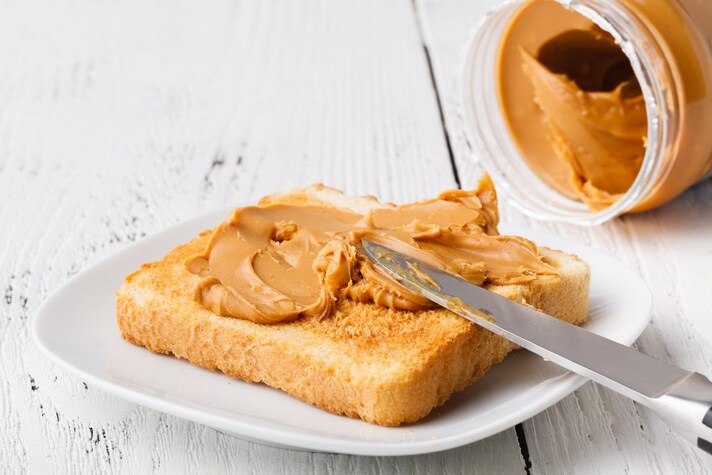
Peanut butter is an excellent source of healthy fats, providing us with great energy and keeping us full for a long time. To maximize its benefits, it's equally important to learn to consume it at specific times and pair it with specific foods. For breakfast, for example, you can spread it on a slice of whole-wheat toast and top with diced apple, sautéed with a splash of water and a pinch of cinnamon, or sliced bananas (or any other fruit of your choice). The peanut butter and banana combination is a perfect match.
To make your first meal of the day balanced and satisfying, so you can stay full until lunch, we suggest complementing it with a protein source of your choice, such as plain yogurt, a cappuccino, or a cup of plant-based milk (without added oils or sugars). If you prefer, you can also make a smoothie or protein shake by combining soy milk, a teaspoon of peanut butter, a teaspoon of unsweetened cocoa powder, and half a ripe banana, sliced: a great post-workout drink, too.
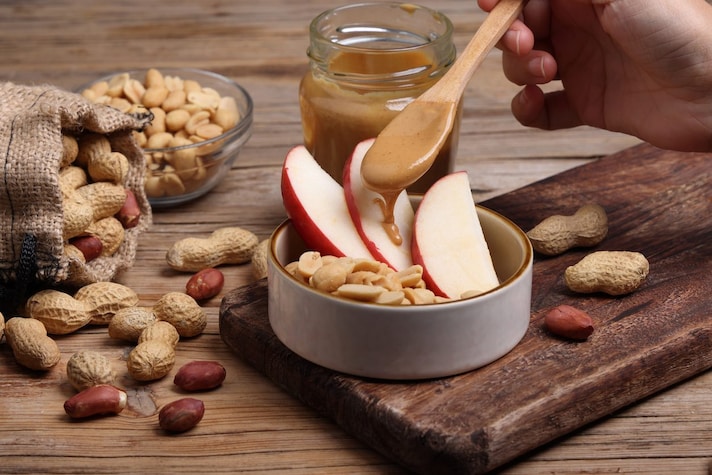
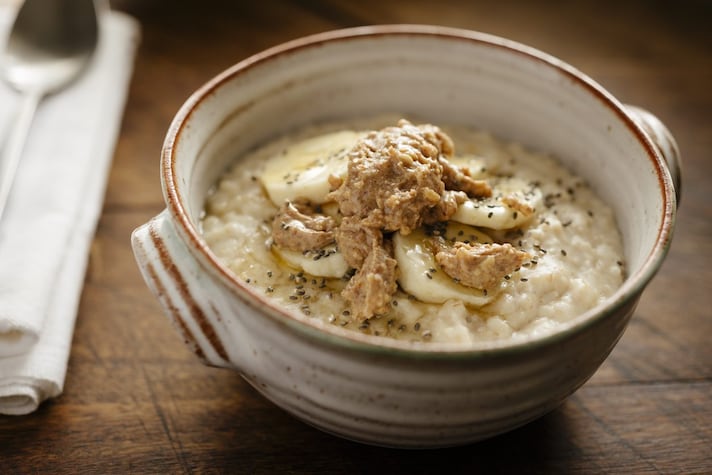
You can use it as a delicious topping on pancakes, on a warm and comforting oatmeal porridge, or on overnight oatmeal, its summer version, no-cook but just as filling and nutritious. As a snack or as a hunger-busting snack, you can combine it with a bowl of fresh seasonal fruit: apples or pears, perhaps slightly softened in the microwave, or even peaches, apricots, and strawberries, again depending on the time of year.
If, however, we want a light, sugar-free treat to indulge in every now and then, we could mix peanut butter with dates, oatmeal, cocoa, and honey to create delicious, tender, melt-in-the-mouth truffles that can be enjoyed in one bite.
This beloved spread is so versatile that it can also be enjoyed in a savory version: mixed with lemon juice, tamari sauce and a drop of water, for example, it transforms into a delicious dip to drizzle over grilled vegetables, a mixed salad or a main course of grilled meat or fish.
;Resize,width=767;)
