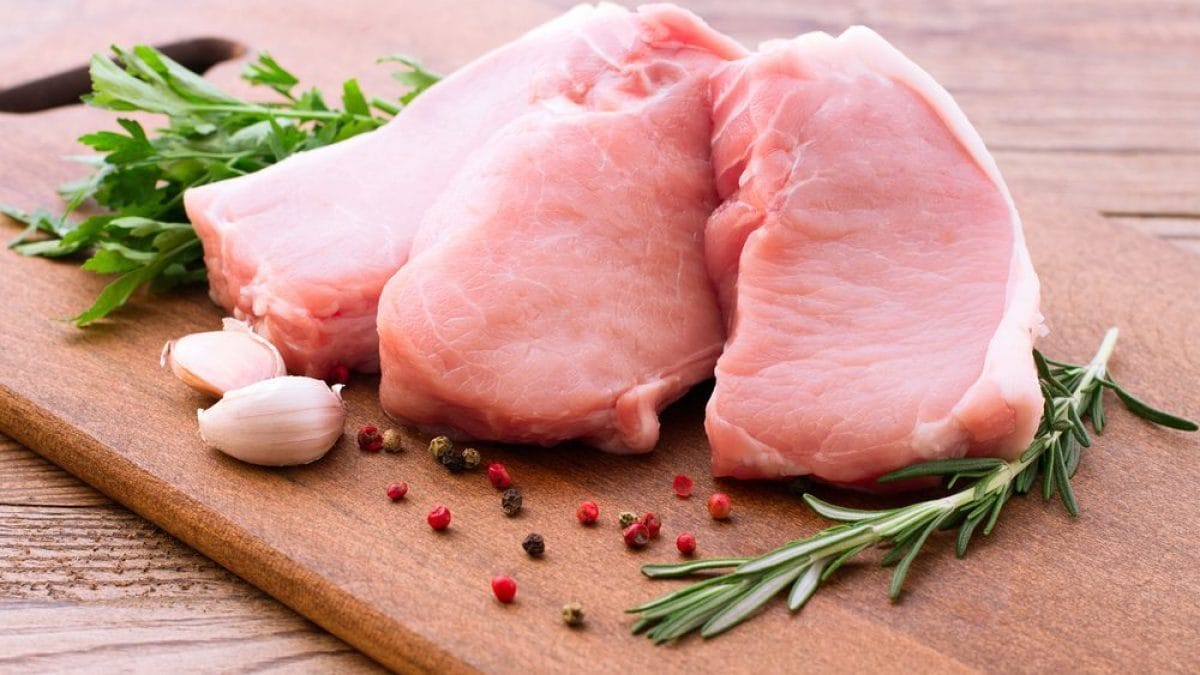
Is pork white or red? This is one of the most frequently asked questions when it comes to distinguishing between these two "categories": but there's no single answer to the question because pork falls, to put it simply, somewhere between the two options. In fact, while from a gastronomic standpoint it's considered closer to white meat, from a strictly nutritional standpoint it's much more similar to red meat. But let's take a step back: what white meat or red meat means and where pork fits in.
The Gastronomic Classification of Meat
From a culinary perspective, the division between white, red, and black meats arose for commercial and practical reasons: this way, customers' doubts about the final flavor can be dispelled, and recipes, cuts, and pairings can be easily combined. From a gastronomic perspective, therefore, we have:
- White meat. This category includes the meat of young cattle (veal and beef), young sheep and goats (lamb and kid), pork, young donkeys, chicken, rabbit, turkey and goose;
- Red meat. Here we find the meat of adult cattle, horse, mutton, duck, pigeon, and game birds (pheasant, grey partridge, partridge, and woodcock).
- Dark meat. This includes the meat of furred game, such as roe deer, wild boar, chamois, and so on.
This classification is connected to the techniques, methods, the most appropriate cooking times and even to the recipes belonging to individual gastronomic traditions: white meats, for example, are suitable for any type of cooking, which however must always be thoroughly cooked, that is, never "rare"; red meats lend themselves to any type of cooking, but roasts and grills should be pink at the centre and lightly cooked, so that the final consistency is tender and juicy; finally, black meats are perfect for prolonged cooking, with the exception of some particular cuts (loin and ribs, for example) of very young animals, which can be roasted, but always "rare".
This is not a scientifically based classification, but rather one based on practical tests and observations developed over time, related to the type of animal, breed, breeding techniques, and intended use. According to this classification, pork is considered white, but it is often treated as if it were red during cooking: if we were to cook a pork chop for a long time, it would become tough and practically inedible. For this reason, in many cases, it is ambiguously referred to as "pink meat."
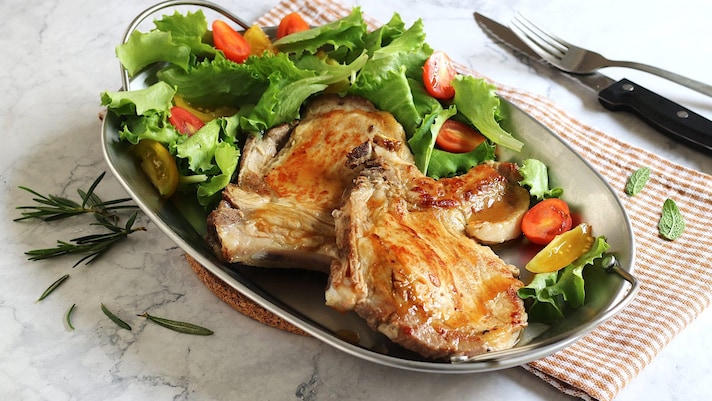
The Nutritional Classification of Meat
Nutritional classification is different from gastronomic classification and is based on the concentration of myoglobin: a protein found in meat, particularly in the sarcoplasm, responsible for transporting oxygen within muscle cells and responsible for the color of meat. Meat color depends both on the quantity of the protein (an increase in myoglobin corresponds to a deepening of the red color) and its quality, as different chemical forms of the same protein give meat different hues.
The amount obviously varies from one species to another, but also within the same species, for example based on age, sex, muscle type, or the animal's daily activity: adult beef should be a bright dark color, veal should be slightly pink, lamb and suckling goat should be slightly white, and so on. For example, heavily used muscles, such as the heart, diaphragm, and neck, are richer in myoglobin and therefore darker than others. Cooking denatures this myoglobin, and the meat takes on a more pronounced grayish-brown color on the surface, while remaining pink inside.
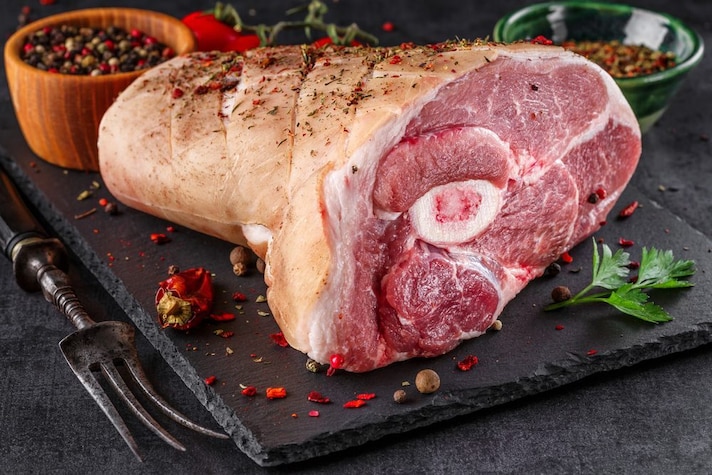
Based on this classification, we always divide meats into three different types:
- red meat: this includes beef, pork, sheep, goat and horse meat;
- white meats: here we find chickens, rabbits, turkeys and guinea fowl;
- black meat: game meat falls into this category.
So What About Pork?
And here we come to the above question: how is pork classified? As we said, there's no single answer; it depends on your perspective. Pork, although considered white from a gastronomic standpoint, actually belongs to the red meat category, precisely because of its high myoglobin content. The same goes for ducks, geese, and large flightless birds (such as ostriches and emus), which, despite belonging to the poultry family, are classified as red meat.
;Resize,width=767;)
