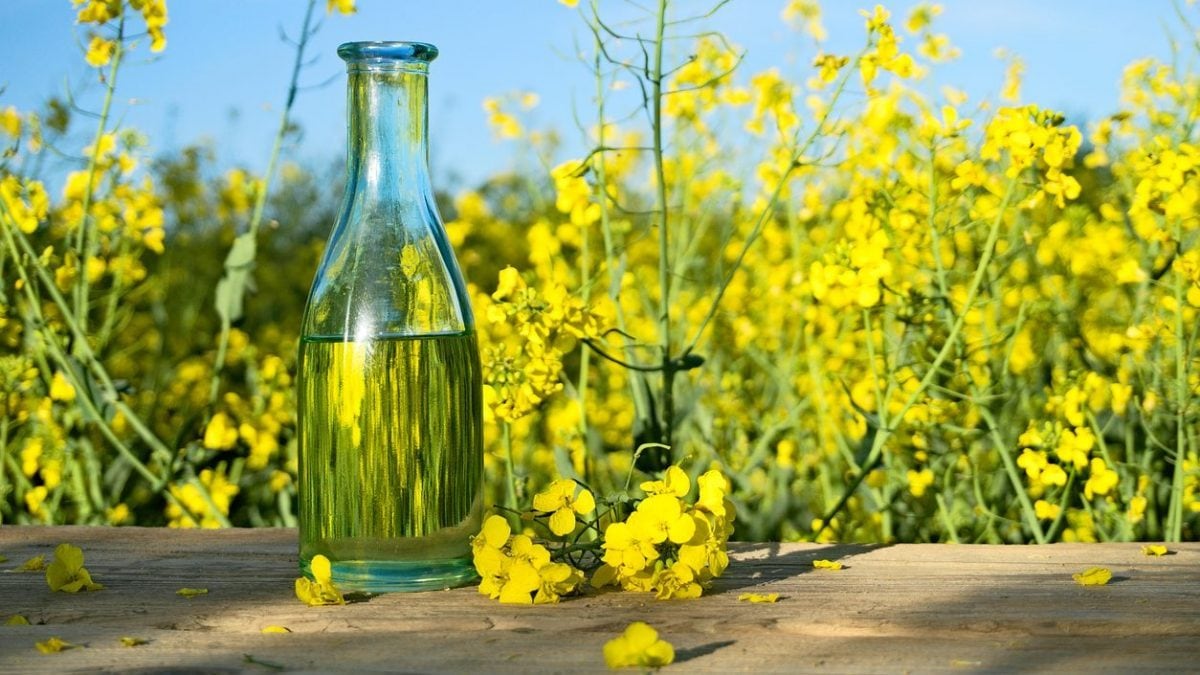
There are basic ingredients that are indispensable: not only because they serve a functional purpose in recipes, but also for their nutritional value. Among these are cooking fats, which can be of animal origin —just think of butter—or vegetable, including olive oil and seed oil. Rapeseed oil belongs to the latter category, which has always sparked debate: is it a good substitute for oil straight from the mill or not? Rapeseed has been the subject of much debate in the past: we find it in packaged products, including snacks, sweets, and frozen foods, but also in bottles at a lower price than many of its "colleagues." Let's take a detailed look at what type of food it is and why it isn't a health hazard.
What is Rapeseed Oil?
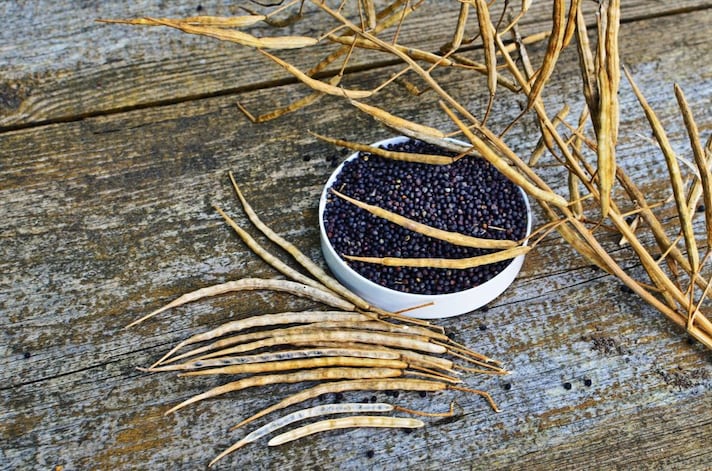
Rapeseed oil is a vegetable fat extracted from the seeds of Brassica napus, a plant belonging to the Brassicaceae family, commonly known as canola (when it flowers, it is a striking profusion of small yellow flowers). According to one study, rapeseed oil is the third most common in the world, after palm oil and soybean oil. Known in Asia for over 2,000 years, it was used as fuel to light lanterns, lamps, and streetlights in the 19th and 20th centuries, before the arrival of electricity, and is still commonly used as a raw material for eco-friendly car fuels, known as biodiesel.
Its extraction is different from that of olive oil or linseed oil, which involves a cold mechanical process: this, with rare exceptions, resembles that of most seed oils, with the use of chemical solvents and subsequent refining. It is therefore an economical product, easy to produce on a large scale and versatile.
Is Rapeseed Oil Bad for You?
Before looking at its properties, let's immediately answer the question that tends to plague those who find this ingredient listed on the label. Rapeseed oil isn't harmful: the doses typically consumed don't pose any direct health risks.
Why, then, especially in the past, was it considered dangerous, if not downright poisonous? It was because of erucic acid, a monounsaturated omega-9 fatty acid present in large quantities in wild rapeseed (but also in mustard) and which in the 1970s – through research on rats, not humans – was discovered to be potentially toxic to the heart. For this reason, in that same decade, some Canadian scientists (still one of the major producing countries today) developed a new cultivar of Brassica napus in the laboratory, genetically modified, eliminating a large part of this component and intended for human consumption: it is no coincidence, in fact, that it is known as canola, an acronym for Canadian Oil Low Acid.
According to an opinion of the European Food Safety Authority, erucic acid still represents more than 40% of the total fatty acids in wild rapeseed species, while it drops below 0.5% in canola.
Who should be careful? Children up to 10 years old who regularly eat packaged cakes, sweets, and biscuits may be at risk of developing heart disease in the long term.
Rapeseed Oil's Properties and Benefits
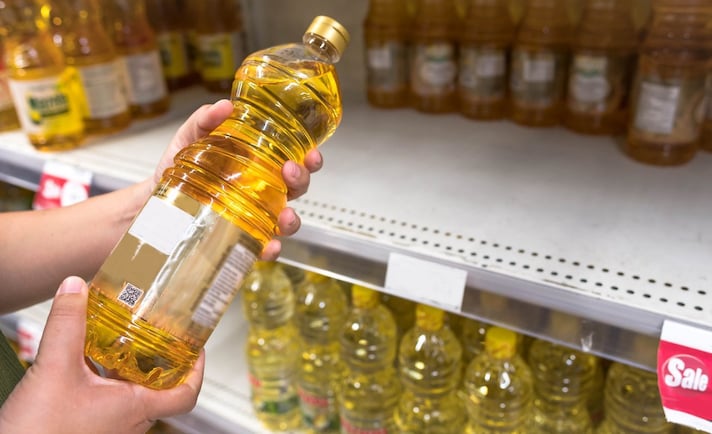
The rapeseed oil we find in the supermarket is canola oil. More than a seasoning, it's useful in the food industry, as it's very cheap and readily available. It's rare to see it on shelves, but it's popular in baked goods (like breadsticks or crackers), snacks, frozen foods, and margarines. It has a fairly high smoke point, around 392°F/200°C, and for this reason, it's also used in frying and is included in high-oleic oils, which are more heat-stable.
From a nutritional point of view, recent studies, although preliminary, do not demonize it at all, on the contrary: it stands out for its reduced content of saturated fatty acids (they stop at less than 7%, when instead they prevail in palm oil) and for a high presence of unsaturated fatty acids, in particular alpha-linolenic acid (ALA), a plant-based omega-3 useful for cardiovascular health and for keeping inflammatory processes at bay.
As reported in a BBC article last May, a meta-analysis of 27 studies found that canola oil significantly reduces LDL (the bad) cholesterol compared to sunflower oil, while another study claims it helps reduce body weight, especially in people with type 2 diabetes. Its composition also includes vitamin E, particularly tocopherols, and phenolic compounds, all antioxidants with a protective effect on cells.
;Resize,width=767;)
