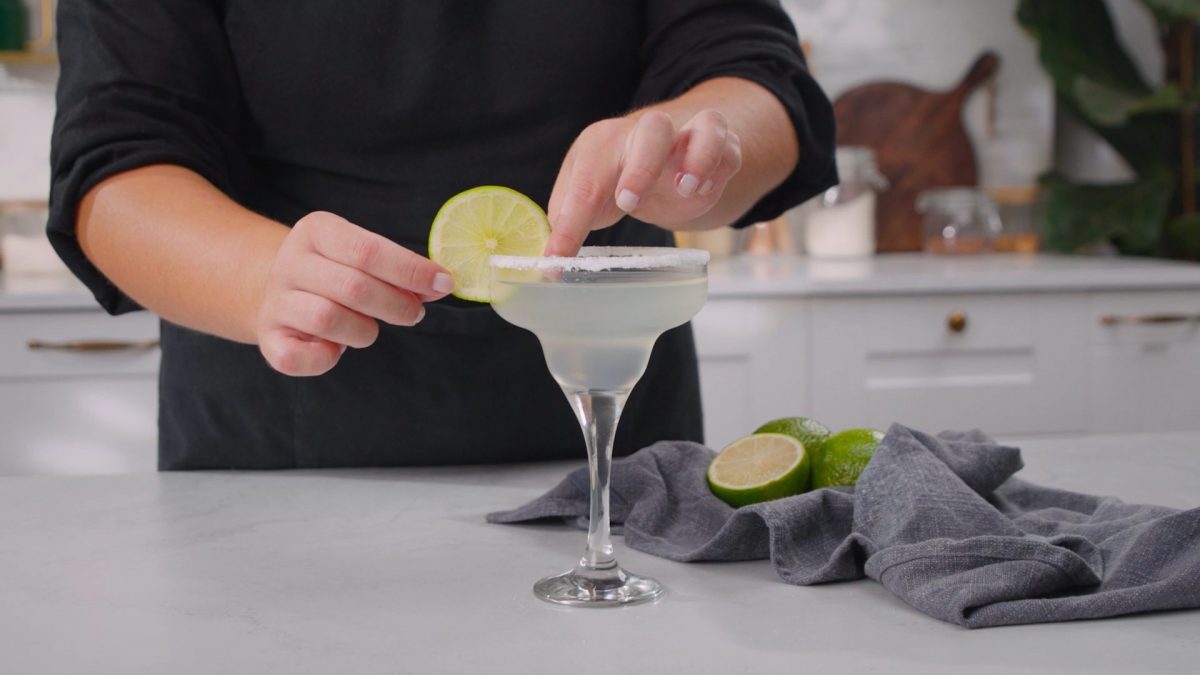
When you order a top-shelf cocktail, the visual presentation is half the experience. A flawlessly expressed orange twist, a vibrant wheel of fresh lime, or a lush bouquet of slap-activated mint transforms a glass of spirits into a luxury event. We drink with our eyes first, and for generations, the garnish has been the ultimate crowning glory of mixology.
But behind the glamour of the bar counter lies a sobering ecological reality. As climate consciousness reshapes the culinary world, environmentalists and forward-thinking bartenders are pointing fingers at those very same decorative touches. Is that single-use citrus wedge secretly a miniature eco-disaster, or has the sustainable food movement officially gone too far?
The Shocking Carbon Math of Bar Waste
The fundamental issue with cocktail garnishes isn't their existence; it is their immediate obsolescence. Unlike the spirits, juices, and bitters that make up the liquid body of a drink, the vast majority of garnishes are entirely single-use. They are briefly fished out of a plastic bin, perched on a rim, and then thrown directly into the trash completely unconsumed.
According to data published in Nature Food, global food loss and waste account for an astonishing 50% of the greenhouse gas emissions within the global food system. When scaled down to the local neighborhood cocktail bar, the math becomes staggering.
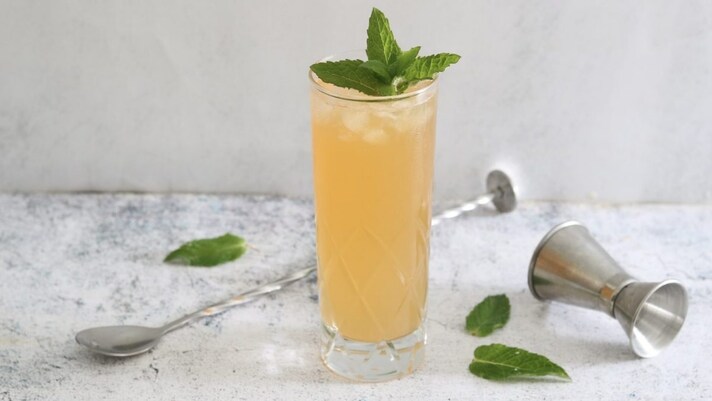
Industry experts, including representatives from zero-waste brands frequently cite a shocking benchmark: wasting just one kilogram (about two pounds) of lemon garnishes generates the same carbon footprint as a 20-minute car ride. This heavy toll accumulates through high-intensity agricultural irrigation, refrigerated global shipping networks, and the potent methane gas released when those discarded peels rot in a standard landfill.
The Anti-Garnish Movement: Going Totally Naked
In response to these environmental metrics, a growing contingency of high-profile mixologists is staging a full-scale garnish boycott. Some bar owners have declared their establishments entirely "anti-garnish," serving classic drinks completely naked for their own ecological peace of mind. To these minimalists, garnishes are the "parsley of the drinks world"—an outdated, non-functional relic of the past that slows down service and actively harms the planet. By stripping away the decorative elements, these bars dramatically slash their daily organic waste, reduce their prep time, and lower their overall overhead costs.
Is "No Garnish" Just the New Paper Straw?
However, not everyone in the beverage industry is ready to abandon the traditional twist. Critics of the total garnish ban argue that this hyper-fixation risks becoming the bar world's next "soggy paper straw"—a performative, highly visible eco-gesture that ignores the far bigger systemic polluters.

Skeptics point out that if a bar eliminates a lime peel but continues to stock mass-produced spirits from multinational conglomerates with questionable carbon footprints or unsustainable agricultural practices, the net environmental savings are virtually non-existent. Furthermore, mixology purists maintain that high-quality garnishes are functional structural ingredients, not just pretty decorations:
- Olfactory Activation: The human tongue can only perceive five basic tastes. The complex flavors we associate with cocktails are largely driven by our sense of smell. Expressing the essential oils of a fresh citrus peel over a Martini or a Sazerac provides an aromatic layer that fundamentally alters the taste profile of the liquid.
- Acidity Control: A fresh citrus wedge serves as an interactive invitation for the drinker. It allows the customer to customize the balance of sweetness and acidity in their highball or gin and tonic to their exact personal preference.
The Middle Ground: Welcome to "Super Juice"
The future of sustainable drinking doesn't necessarily require a depressing world of entirely plain, barren glassware. Instead, innovative bars are leaning heavily into smart, zero-waste food science to preserve both the sensory experience and the planet.
Instead of throwing away citrus husks after squeezing out the liquid, eco-conscious bartenders are utilizing the "super juice" method. This involves peeling the fruit, steeping the rinds in an exact blend of organic acids (like citric and malic acids), and blending it with water. This chemical hack allows a bar to amplify the juice yield of a single lime or lemon by up to 400%, drastically reducing the number of fresh fruits they need to purchase and ship.
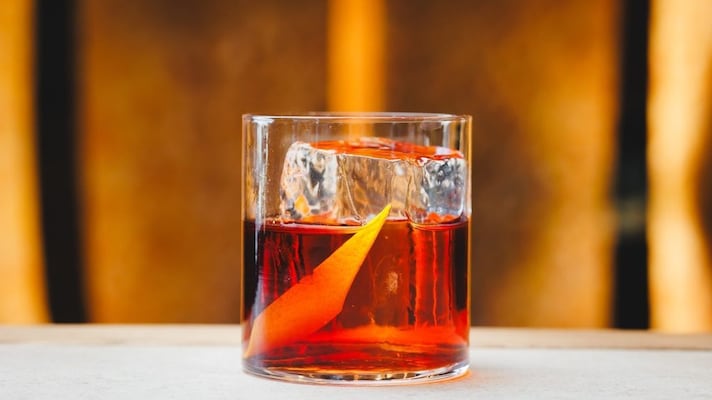
Other bars are dehydrating excess fruit wheels to extend their shelf life indefinitely, fermenting leftover fruit pulps into house-made cordials, or converting spent citrus rinds into flavorful bitters and oleo saccharums. By treating the entire piece of produce as a multi-layered asset rather than disposable garbage, the modern bar can toast to a greener future without sacrificing a single drop of flavor.
;Resize,width=767;)
