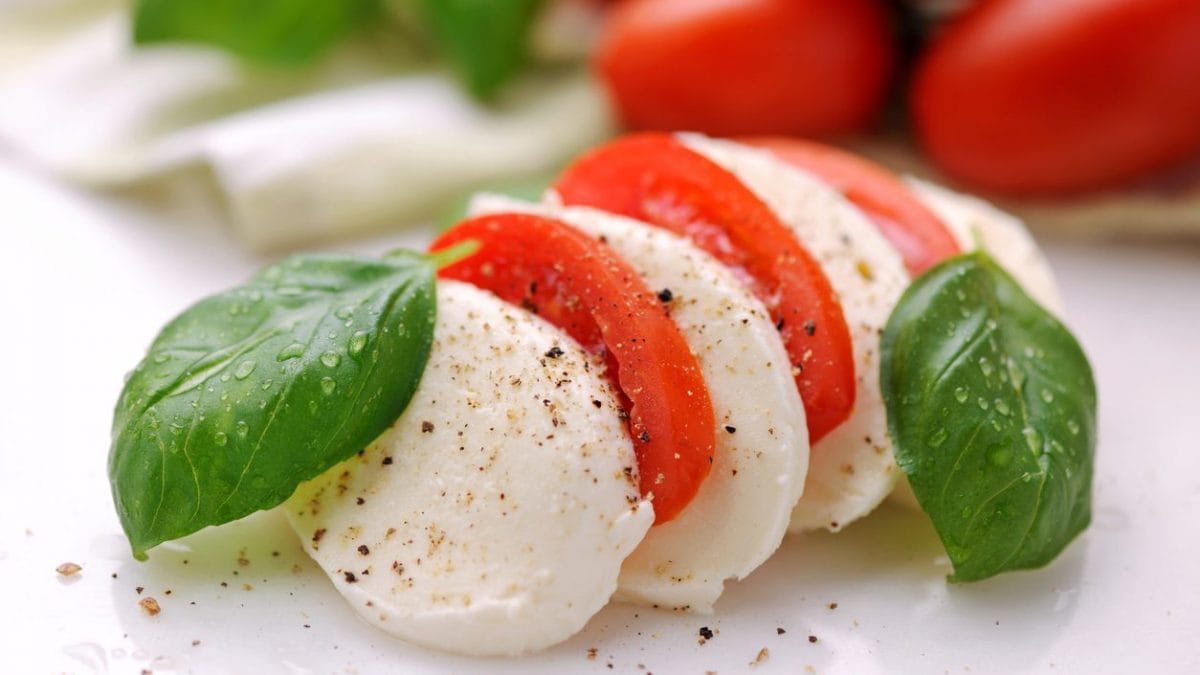
World against Italy – the gastronomic world arrayed against Italy. This is what we dare say after learning of a rather negative sentiment toward the country's cuisine that has been making headlines in recent days. To fully understand the situation, we need to go back a couple days, when, on December 10th, Italian cuisine was recognized as an Intangible Cultural Heritage of Humanity by UNESCO. Since then, a barrage of criticism and questions has poured in from countries that, deep down, also feel somewhat like rivals: we're talking about Great Britain and even our own United States. First came the attack from British journalist and food critic for The Times, Giles Coren, who deemed Italian cuisine a fraud. Then came the American attack from the Washington Post, which conducted an investigation into whether Italy's recognition was deserved. At this point, it seems that Italy has inexplicably almost become the villain in a Marvel film, capable of overshadowing all the Avengers of taste. Let's try to understand what happened.
Italian Cuisine is a Scam, According to The Times
Off we go, and the first blow has been struck by Great Britain, which, with the sharp pen of Giles Coren, an authoritative writer for The Times, has decided to describe Italian cuisine with a tone that contemplates satire and provocation. Easy pasta that everyone can make, repetitive recipes, and an excessive adoration of tradition. All seasoned with that typically British sarcasm that makes you smile, but also leaves a slightly bitter taste in the mouth.
"UNESCO was fooled into recognizing Italian cuisine as a special cultural heritage, when we have the best cuisine in the world." These are some of the words written by Coren, who apparently wasn't at all pleased with Italy's achievement.

The critic recounted having been to the country and encountered totally disappointing gastronomic experiences. "Expensive restaurants, rude staff," he wrote, "and there's a general climate of hostility because Italians hate the English." At this point, one wonders whether this is truly food criticism or a spur-of-the-moment reaction, almost allergic to the idea that Italy has received official recognition while England has not. Giles Coren explains that the only "salvageable" product is pizza, which the Italians would describe as a sacred product but which "isn't that different from what you can find in the United States or Wolverhampton." The critic didn't even spare a prestigious name like Massimo Bottura, the three-star chef of Osteria Francescana in Modena, repeatedly proclaimed the best restaurant in the world, accused of lying when he proclaimed Italian cuisine as "unique."
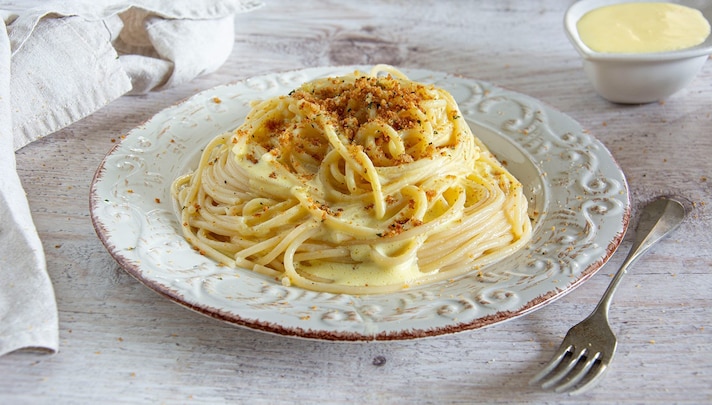
Coren's vitriolic criticism was met with a swift Italian response, delivered by Claudio Pica, president of the Italian Pasta Academy and of Fiepet-Confesercenti of Rome and Lazio, and vice president of the national association. "England calls it a scam, but the ‘real scam' is cacio e pepe with cream, passed off as an authentic dish and exposed by us, complete with apologies." These were Pica's words to ANSA. According to the president of Confesercenti, the United Kingdom didn't take Italian Cuisine's nomination as a UNESCO World Heritage Site very well, and reacted too hastily. "Hands off our heritage, let England get over it," Pica reiterated. "We renew our invitation to His Majesty Charles III to Rome to taste an authentic and traditional dish of Roman and Italian cuisine."
The Washington Post‘s Debate
Looking beyond The Times, there has been even criticism coming from our own country. The Washington Post wrote an article that raised considerable doubts regarding the recognition Italian gastronomy has received. In the well-known American newspaper's analysis, the focus is not so much on the unquestionable value of Italian cuisine, but on the precedent it sets. If an entire nation can be elevated to the status of intangible cultural heritage of humanity, why can't the same be said for ancient Asian, African, or Middle Eastern traditions, which are often overlooked?
This is the main question in the Washington Post article, which speaks precisely of a narrative, rather than a cultural, imbalance. Thanks to the diaspora, cinema, and unprecedented widespread diffusion, Italian cuisine has enjoyed a global visibility for decades that other traditions have never had. The risk, according to some critics, is that UNESCO has certified what is already dominant, reinforcing symbolic hierarchies rather than filling gaps. The same columnist for the American newspaper clarifies that this isn't intended as a direct "attack" on Italy by denying the value of its exceptional cuisine, but rather as an investigation that questions the system of cultural awards. "Are we celebrating diversity around the world," he writes, "or simply what is already known and consumed?"
Alberto Grandi's Attack From The Pages of The Guardian
Professor Alberto Grandi, often cited when discussing Italian cuisine, offered a timely reflection. He was consulted by another famous British newspaper, The Guardian, which used his writing to criticize the success of Italian gastronomy. Known for his contrasting opinions, Grandi is a professor of Food History at the University of Parma. "The myth of Italian cuisine has enchanted the world, but the truth is something else," was the headline in the British newspaper, explaining that, in reality, the much-celebrated cuisine of the Bel Paese is a relatively recent construct.
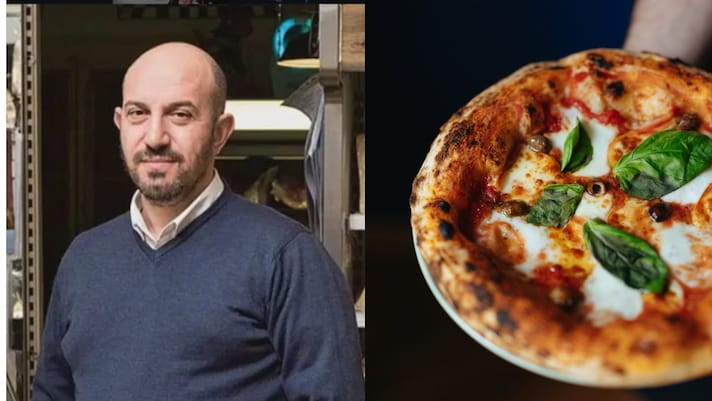
According to Grandi, there is no such vaunted secular root, but rather everything stems from phenomena such as hunger and poverty, which have led to consequences such as migration and improvisation. "Many of the supposed regional traditions were only codified in the late twentieth century, often for tourism and identity reasons," he writes. For the professor, the world-famous Italian cuisine is not that which emigrants brought from Italy, but rather that which was invented abroad thanks to an abundance of ingredients and raw materials unknown in our country. Recipes, therefore, originated outside the national borders, which then returned there and were accepted as traditional, with what anthropologists call a "rebound" effect. Hence the criticism of the nationalist rhetoric linked to gastronomic tradition and UNESCO recognition, accused of being based on a sweetened and "sovereignist" version of Italian cuisine, more similar to a postcard image than a truly living and historical heritage.
;Resize,width=767;)
