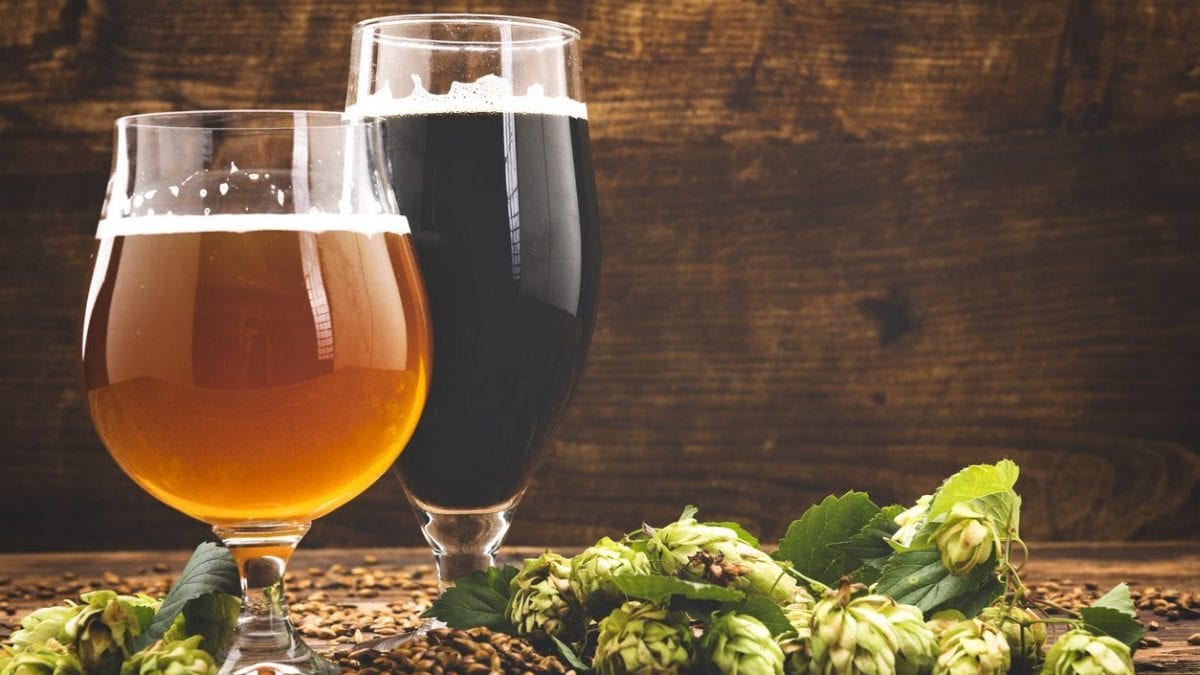
Italian craft beer has long been on the rise thanks to a phenomenon called the Craft Revolution. Many people in Italy love beer, and recently, craft beer has taken over. In this vast panorama, a product all our own is emerging: Italian Grape Ale – IGA – a beer that dares to blend the ancestral language of the vine with the spontaneity of malt. A beverage that has defied definitions (halfway between beer and wine), traversed convoluted regulatory paths, and sparked debate like few others. Let's see what it's all about.
What is Grape Beer?
Combining grapes with beer is no small feat. The first was in 2006, thanks to the Sardinian brewery Barley and master brewer Nicola Perra, who laid the foundation for change. The BB10 was born, an Imperial Stout enriched with sapa, or cooked must, from Cannonau grapes. That was the first basis for the Italian Grape Ale, with the Barley brewery expanding the range with new products between 2008 and 2012: BB Evò, BB9, and BB Boom. In 2015, Iga entered the BJCP (Beer Judge Certification Program) style guide, placing it among purely Italian styles. That wasn't a standard recognition, but a turning point: beer with grapes became a popular and widely shared concept.
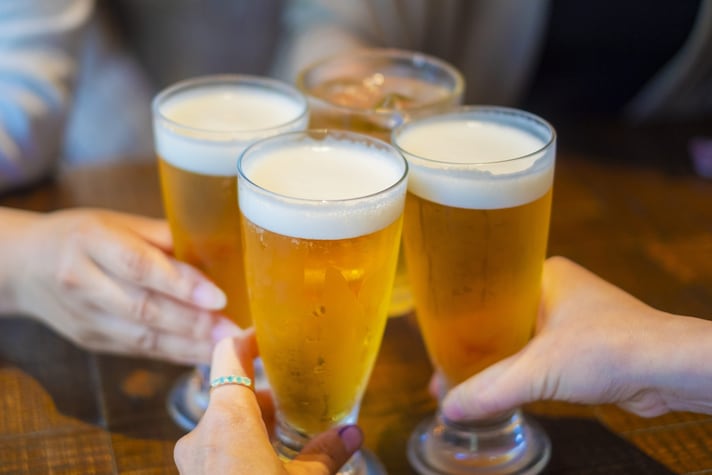
When we talk about IGA, we're referring to top-fermented beers made with various forms of grape must, pomace, cooked grapes, and fermented must. This gives them a very broad olfactory and flavor profile, with notes of peach, apricot, apple, and citrus. Visually, the beer can range from a beautiful golden yellow in versions made with white grapes to dark brown in versions made with dark grapes. As various beer experts say, IGAs are often "drinkable," meaning pleasant to drink, thanks to the freshness and natural acidity of the grapes, which play a key role.
Label Controversies: Grape Becomes a Dangerous Term
It's also worth mentioning what happened several months ago in the legal field. The use of terms like "grape" or "wine must" can be interpreted as referring to wine rather than beer, exposing breweries to legal challenges, fines, and seizures. For several months, many producers avoided writing "Italian Grape Ale" on their labels to avoid legal risks.
Two recent favorable rulings have given breweries a break. The Civil and Criminal Court of Bologna recognized the accuracy of labeling and digital communication, stating that there was no misleading intent and that there was transparency toward consumers. The support of Unionbirrai, a trade association, has been crucial: these legal victories demonstrate the urgent need for a clear regulatory framework that avoids ambiguity and litigation.
In essence, the courts have allowed IGAs to use their own name, but the issue isn't over yet. A law is needed that explicitly recognizes the unique nature of these hybrid beers, freeing them from legal gray areas.
Towards New Frontiers With Innovation, Territory and Experimentation
Experts say IGA isn't an isolated phenomenon: it's a sign of the times. It's the boldest expression of Italian craft brewing, one that doesn't simply imitate foreign styles but seeks its own identity. Its interpretations stem from collaborations with breweries in Denmark, England, Germany, the Netherlands, and Ireland, demonstrating that IGA can also be an international bridge. A beer that thus becomes a testing ground for local culture: each grape variety, each zone, each harvest adds a unique character.
;Resize,width=767;)
