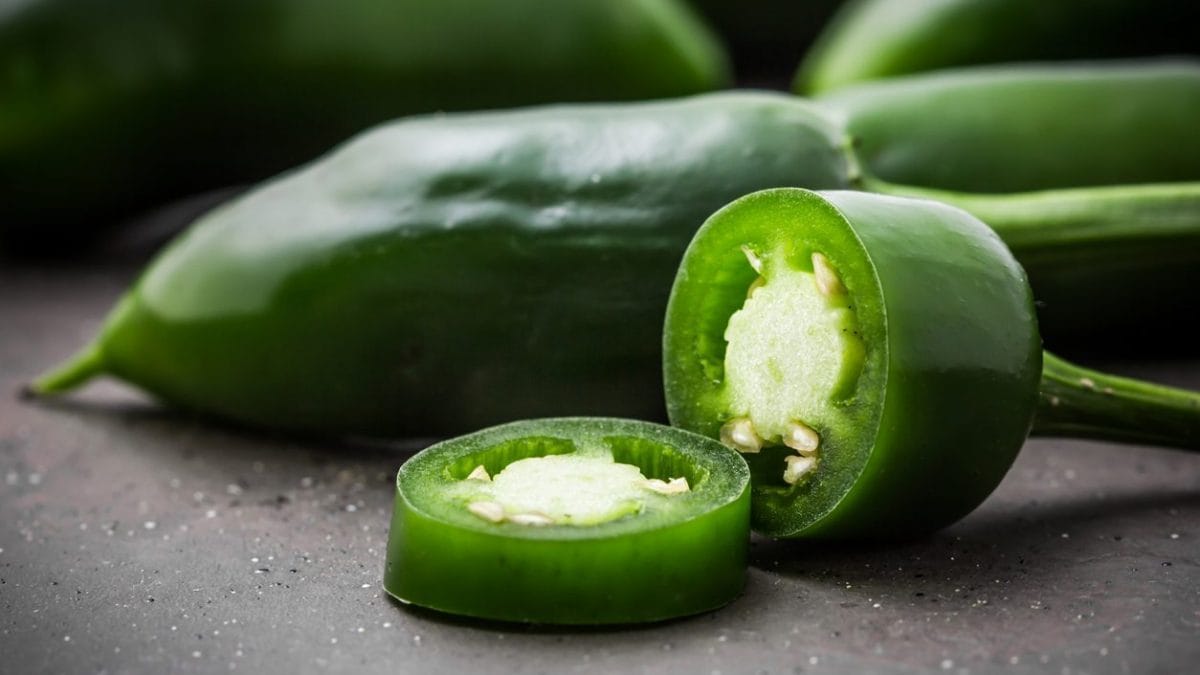
If you've ever eaten a particularly spicy Mexican taco or burrito, you've probably encountered both, without realizing it, or perhaps even without realizing that they're the same ingredient. Jalapeño and chipotle are often considered two separate chili peppers, almost as if they were two different families, but in reality they're the same food at two different stages of ripeness. The chipotle, in fact, is nothing more than a fully ripe jalapeño that's been dried and smoked: a seemingly simple transformation that radically changes its consistency, aroma, and culinary uses.
What is a Jalapeño?
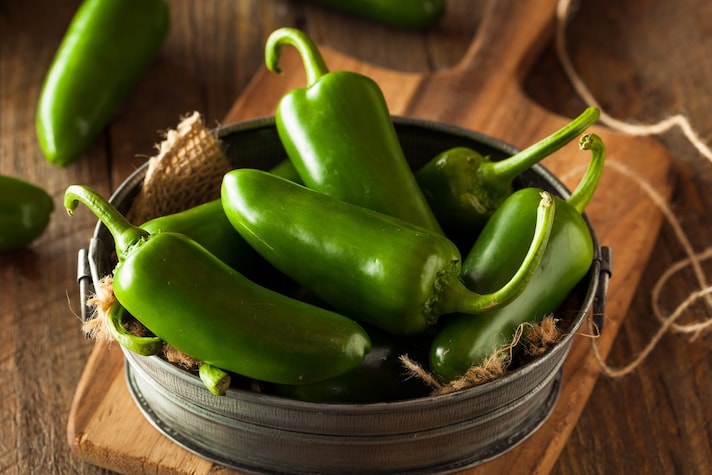
Probably the most famous Mexican chili pepper in the world, the jalapeño is fresh, fleshy, and has a distinctive bright green color. It's generally harvested before it's fully ripe, which is why it retains a very distinct herbaceous note and moderate spiciness. In fact, compared to other chili peppers, it has a relatively balanced aromatic profile: the heat doesn't explode suddenly in the mouth, but arrives gradually, giving way to delicious vegetal notes that are very reminiscent of a green pepper. Thanks to this flavor, the jalapeño is often used raw, in sandwiches, salads, or nachos, thus becoming one of the iconic ingredients of Tex-Mex cuisine.
What is a Chipotle?
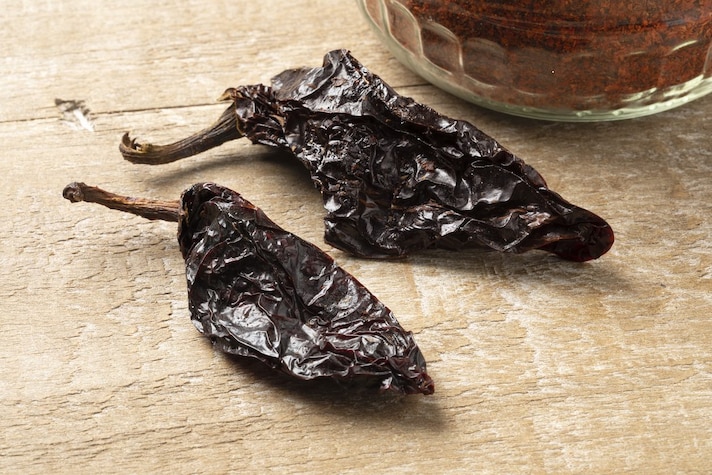
The chipotle, on the other hand, is created when the jalapeño is left to fully ripen until it turns red. At that point, the pepper develops a greater natural sweetness, but also becomes much more delicate and difficult to preserve. This is where an ancient technique and the true secret of this ingredient come into play: smoking. The ripe jalapeño is slowly dried through smoke, traditionally produced with aromatic woods, such as oak, for several days. This process serves to prolong its shelf life but also to modify its flavor profile, making it much more intense, dark, and aromatic. The idea of smoking peppers arose primarily from a practical necessity: jalapeños tend to deteriorate rapidly in Mexico's hot climate, and drying was the most effective method of preserving them longer, before the arrival of modern refrigeration.
The Real Difference is In The Flavor
Although they're the same chili pepper, the real difference —besides the processing method—is in the flavor. The jalapeño, thanks to its "younger" flavor, retains a certain freshness, acidity, and a pleasantly herbaceous note. The chipotle, on the other hand, offers more toasted, woody notes that can recall bitter cocoa, tobacco, or coffee, thanks to the smoking process. The texture also changes completely: the jalapeño remains juicy and crunchy, while the chipotle has a rougher, harder surface due to drying.
It's important to note, however, that all chipotles are jalapeños, but not all jalapeños become chipotles. In fact, a jalapeño that's simply dried, whether in the oven or air-dried, cannot be considered a chipotle, since the latter, to become one, necessarily requires smoking. Dried but unsmoked jalapeños still develop a more intense and herbaceous flavor, but they lack the aromatic complexity typical of the chipotle, which comes precisely from prolonged contact with smoke.
;Resize,width=767;)
