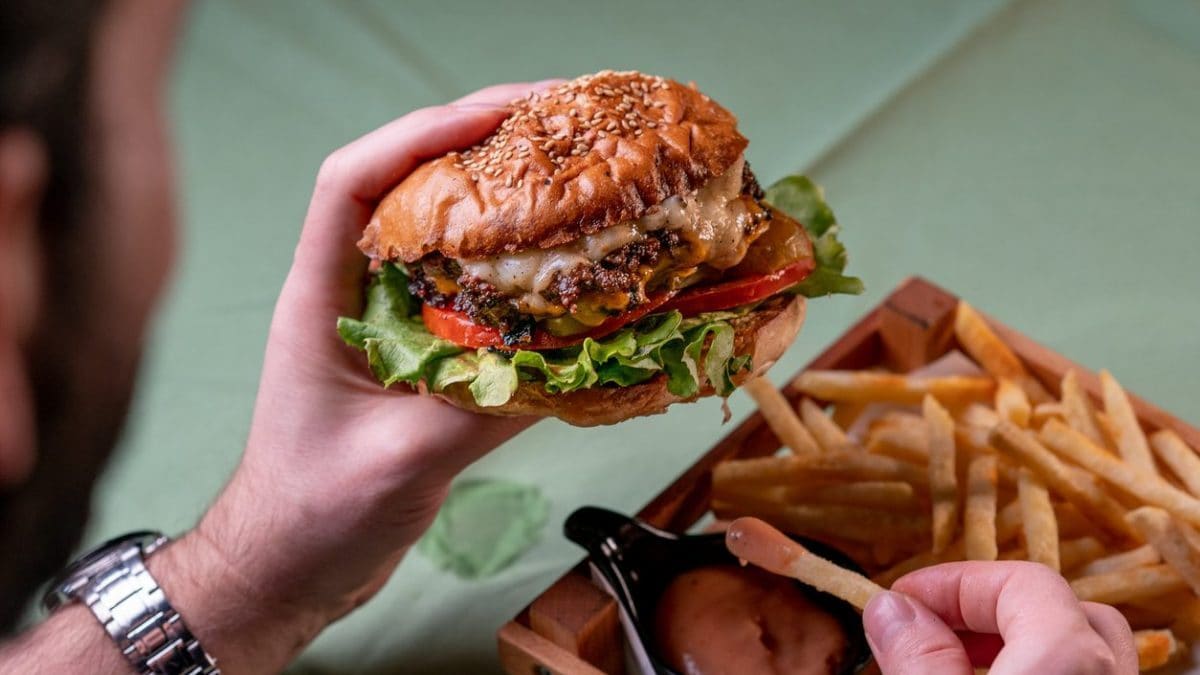
The fight against ultra-processed foods continues, especially in the United Kingdom, where a few days ago a ban was introduced on television advertising for these foods before 9 pm and online at any time. The measure, which has been discussed for some time, aims to combat the consumption of these foods, especially among children.
Less Ads, Better Health
A further step forward in combating a phenomenon that appears to be constantly growing: the rise in obesity, a particularly worrying condition, especially for young people. It is estimated that, in England, 22% of children starting primary school are obese or overweight: a percentage that rises to 35.8% by the time they reach 10-11 years of age. The British government has therefore decided to ban all commercials promoting foods high in fat, sugar, and salt. The ban applies until 9 pm for television advertising, while online it applies at all times. According to Anna Taylor, director of the Food Foundation, the measure represents a "global milestone" capable of reducing the risk of contracting certain serious diseases, such as obesity. Companies that do not comply with the new rules risk being fined by the Advertising Standards Authority (ASA).
What Are The Banned Products?
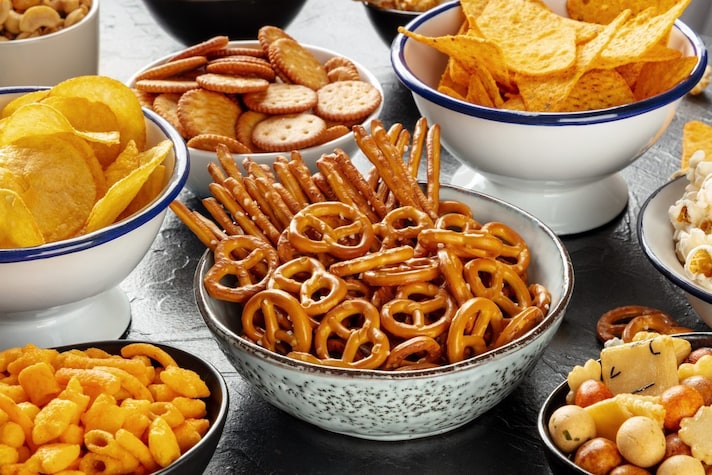
The list of foods subject to these restrictions includes snack foods, cakes, fruit juices, ice cream, crisps, and various packaged snacks and drinks, as well as other foods considered "healthier," such as oats or porridge, but only if they contain added sugar, chocolate, or syrups. The ban, however, applies to specific products and not to companies as a whole: this means that large multinationals can still run advertisements with their logos, but without showing the specific product. As reported by the BBC, Josh Tilley, director of brand strategy at marketing agency Initials CX, stated that ads featuring elements "like the PepsiCo logo or McDonald's arches" will not be banned.
How to Determine Which Food is "Less Healthy"
To decide which foods fall under the advertising ban and which do not, the British government has established guidelines based on the Nutrient Profiling Model (NPM). According to this system, foods are rated based on two nutrients: A-level nutrients, considered "negative," which include energy, saturated fat, sugars, and sodium; and C-level nutrients, considered "positive," which include fruit, vegetable, and legume content, fiber, and protein. To obtain the final rating, the negative points are subtracted from the positive ones: if a food scores 4 or higher, it is considered less healthy.
Will It Really Work?
It will take several months to assess whether the restrictive measure will produce the desired effects. In any case, a study by the University of Liverpool has already shown that junk food advertisements increase calorie consumption in children: according to the researchers, just five minutes of these ads are enough to lead to an additional intake of approximately 131 kcal per day.

For this reason, it is essential to adopt increasingly aggressive and restrictive measures against these types of foods. In the United Kingdom, such measures are nothing new: a few months ago, for example, a ban on "buy one, get one free" offers on products considered junk came into force, as it would incentivize their purchase. Europe is also taking the first steps in this direction, introducing, for example, a new tax on ultra-processed foods and alcopops, or low-alcohol drinks.
;Resize,width=767;)
