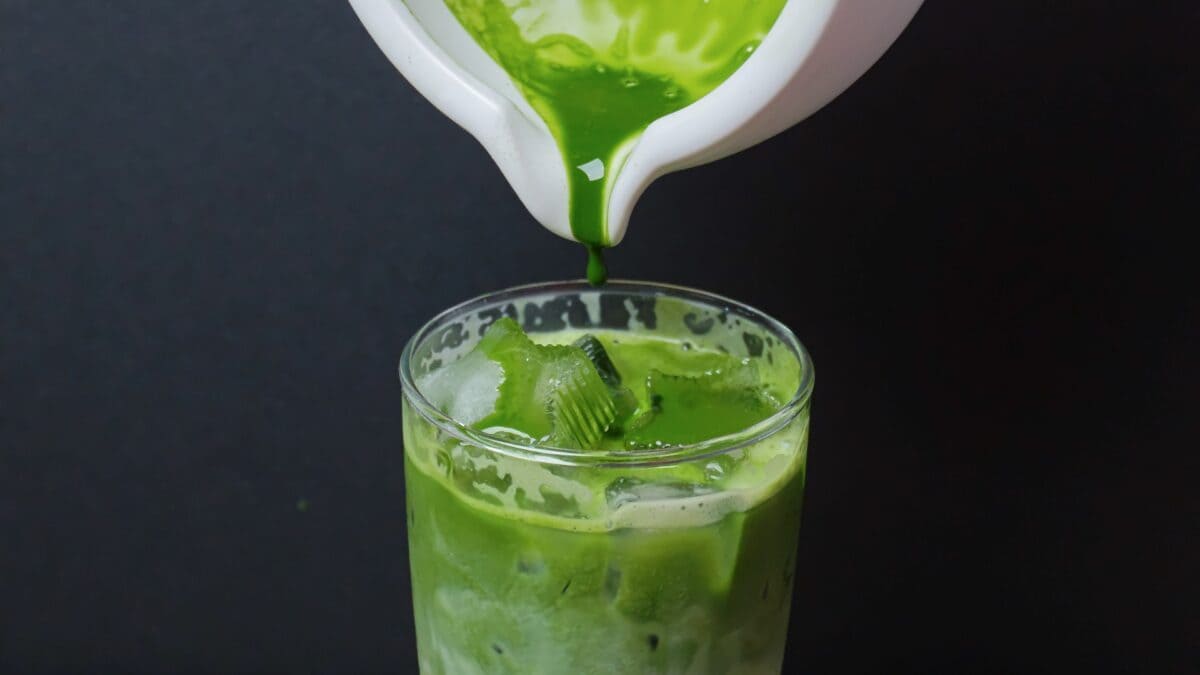
Of all the food fads of the last decade, matcha is the only one that shows no signs of fading. Avocado is enjoying its retirement from provincial brunches, charcoal has stopped ruining sandwiches and pizzas, while the Japanese green powder continues to color shop windows, refrigerated cases, and social media photos, with a devotion that has made it a global product. The price of this loyalty, however, is paid by the country that produces it, as Japan can no longer keep up with demand, and the tea crops that Japanese drink every day are disappearing from the fields.
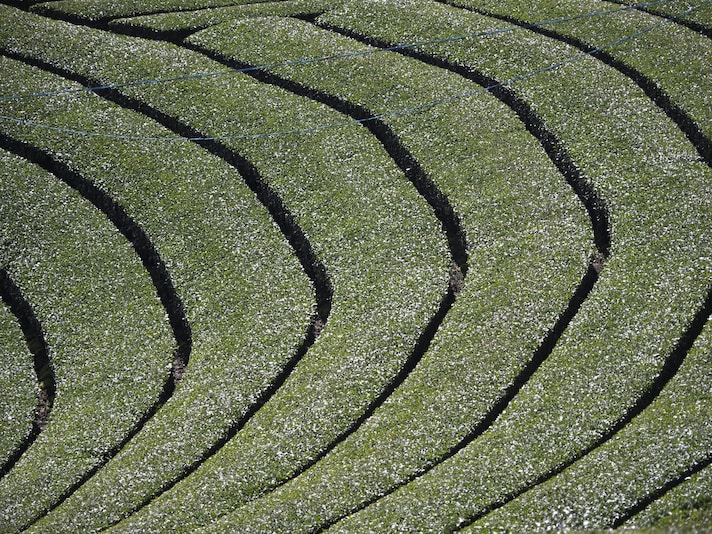
It takes just a few minutes to down a green cappuccino, but extracting just a few grams of the precious powder requires a long, slow process: the tencha leaves grow under sheets that filter the light to enhance the chlorophyll, they are harvested in spring and stone ground until they obtain a very fine, almost impalpable preparation, which is dissolved in water using the chasen, a bamboo whisk.
How Much is The Matcha Market Worth Today?
International estimates place global turnover at over 4.2 billion dollars, with a forecast growth of 53% by 2029. Japanese green tea exports in 2025 exceeded ten thousand tons for the first time, with a 250% increase compared to 2014 and a value of 36.4 billion yen, just under 235 million dollars according to data.
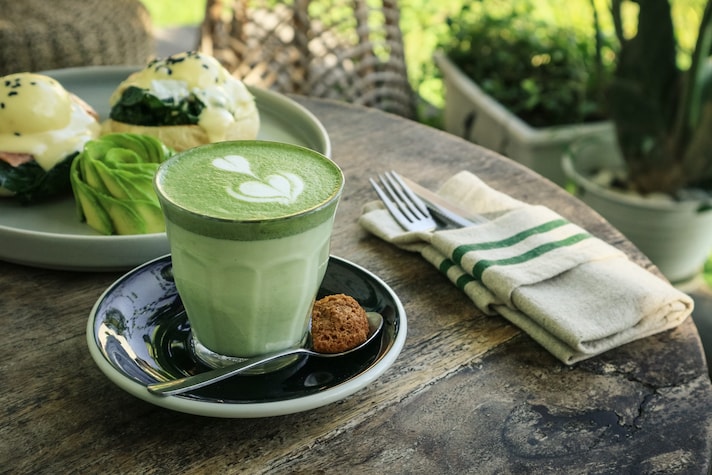
The destinations are unevenly distributed, as over 30% of those exports go to the United States, where matcha lattes now appear on every coffee shop menu. Meanwhile, in Japan, sencha, the loose-leaf green tea brewed by infusion and never photographed, is consumed daily.
Why Matcha is in Short Supply
The paradox is that the Japanese produce more than before: tencha cultivation has almost tripled in ten years and has exceeded five thousand tons, yet the global sales boom has burned away every margin, because a plantation cannot be improvised and there are cycles that must be respected.
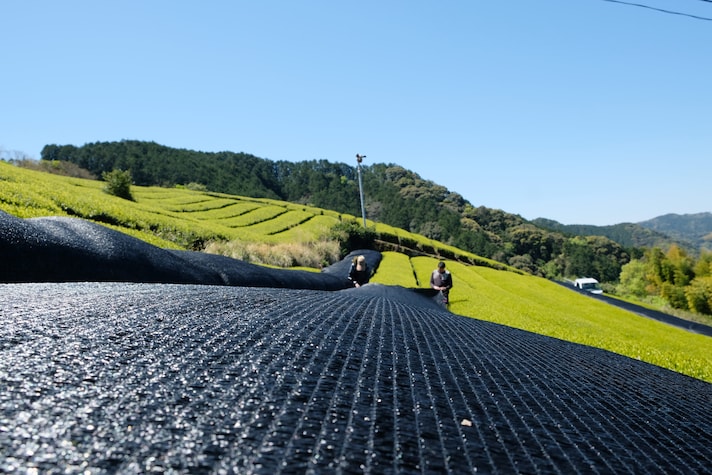
The constraints are agronomic and quite strict because the leaves destined for quality matcha are harvested once a year, during the first spring harvest. Before cutting, the fields must be shaded for weeks with sheets, and a new plant requires four or five years to produce leaves suitable for consumption. Added to this are climate change —which shortens and shuffles the seasons—and the average age of the farmers, in a country where the countryside has been depopulating for decades.
How Much Does Tencha Cost at Auctions?
The most honest indicator of costs is the spring trading. In 2026, the national average recorded by the ministry stood at around 14,500 yen per kilo (about 93 dollars), while in Kagoshima tencha reached almost 19,000 yen (121 dollars) and in Uji, the historic district near Kyoto, the auction average rose by 22%, to almost 21,000 yen per kilo (134 dollars).
In Uji, tencha now accounts for about 90% of tea trade, which clearly explains how the geography of Japanese tea is being rewritten around a single product. Wholesale buyers today pay 30-60% more than before the boom, and those price increases are already visible on the shelves, where packages are becoming increasingly rare and small.
The Japanese Government's Plan
Tokyo has decided to ride the wave rather than suffer it: the ministry has launched a subsidy package for tencha cultivation, including contributions for the purchase of shade cloth, and has set itself the goal of increasing exports to fifteen thousand tons by 2030. Also on the table is the possibility of protecting the product with an indication of origin, to stem Chinese competition, which offers similar products at lower prices and with highly variable quality standards.
Sencha, The Collateral Damage
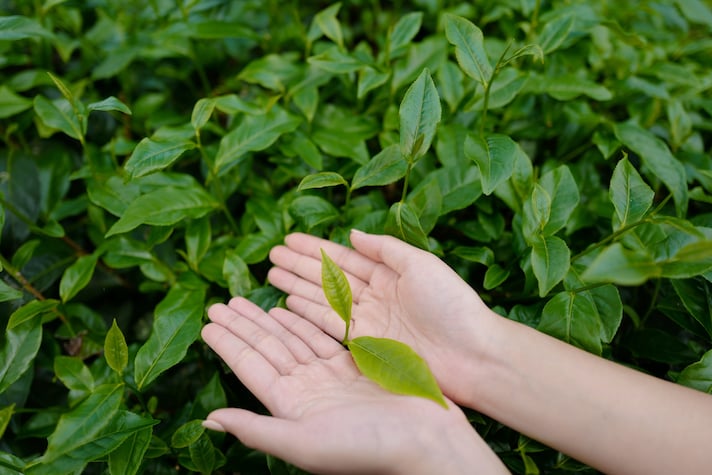
The lesser-told part of the story concerns the tea the Japanese actually drink. To clear the land for tencha, growers are uprooting sencha, whose national production has fallen from over 49,000 tons to around 36,500 tons in ten years, a decline of more than 25% and rising prices for those who buy it domestically.
The paradox unfolds in Kyoto, where premium tencha is auctioned off with the same feverishness that accompanies white truffles, capable of doubling prices in a single season, while on the other side of the world the same powder disappears beneath ice, oat milk, and vanilla syrup. Of the two ceremonies, the one destined to survive may be the less ancient.
;Resize,width=767;)
