
We're not the first, nor the only ones, to argue that a people's culture is reflected in its cuisine: this is one of the reasons why our desire to travel is so often intertwined with our curiosity to discover new gastronomic traditions. It's no surprise, then, that when we plan a trip, we pay particular attention to what we'll eat: indeed, it's precisely this gastronomic desire that can push us to explore new lands.
This interest in food culture is what led the renowned Michelin Guide to compile a list of 16 destinations that, in 2026, deserve special attention from us intrepid foodies. The inspectors also leave a little advice: visit them now "before the rest of the world discovers these hidden gems, driving up prices and making reservations more difficult."
Where to Go Around the World According to The Michelin Guide
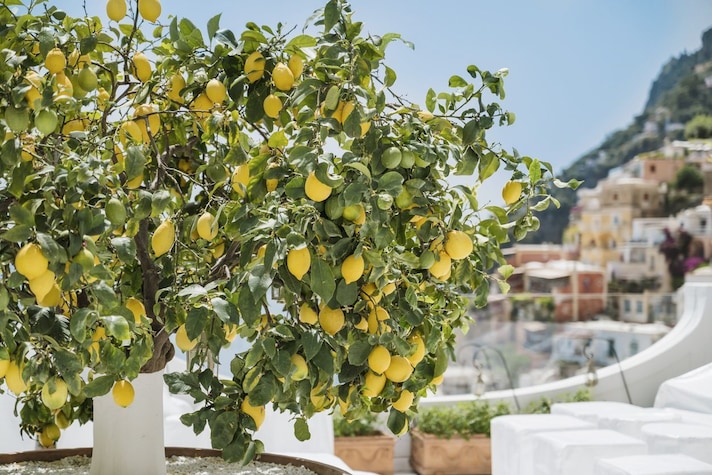
It's worth starting with Italy, where Michelin has highlighted three destinations: Venice, the Amalfi Coast, and the Dolomites. In the country's most romantic city, the perfect blend of historic charm and culinary tradition can make your stay truly magical, with a truly intriguing gastronomic offering: 62 restaurants are featured in the Guide. From the canals of the lagoon city, we then move to the high peaks of the Dolomites, where you can find "increasingly refined mountain hotels and even more ambitious Alpine cuisine." This year, Cortina d'Ampezzo will also host the Winter Olympic Games, from February 6th to 22nd: so what better time to plan a trip there? Buckwheat, speck, and mountain cheeses await you in the more than 149 restaurants featured in the Guide. From the mountains to the sea, we arrive on the Amalfi Coast, where the flavor of the Mediterranean invades the kitchens and tables of every restaurant. Simple and authentic flavors, where the goodness of fresh fish and the unmistakable scent of lemons give life to wonderful dishes in the 71 Michelin-starred restaurants.
Of course, Italian cuisine isn't the only noteworthy one: every country has its own specialties worth trying at least once in a lifetime. This applies not only to the capitals, but also to lesser-known cities, such as the Czech Republic, where the Guide recommends not just stopping in Prague but venturing beyond its borders, exploring and showcasing regional flavors. Or Wroclaw, Poland, where a young and vibrant culinary scene has brought a long-overlooked city back into the spotlight.
Moving further east, Saudi Arabia is slowly entering the global gastronomic scene, where, in cities like Riyadh and Jeddah, international-style restaurants offering foreign cuisines, such as Japanese, Chinese, Lebanese, and French, are increasingly appearing alongside local cuisine. Cappadocia, on the other hand, is the preferred choice for those wishing to experience the full flavor of Turkish cuisine, where local products are processed using traditional techniques, such as fermentation. Special mention goes to the Philippines, which, with the publication of the Manila and Cebu Guide, is finding its place on the global gastronomic scene, while Jiangsu Province, in China, boasts a gastronomic tradition characterized "by the use of freshwater fish, delicate seasonings, and classic techniques."
Of course, our very own United States cannot be left out , where you can embark on a typical road trip and travel along the historic Route 66, now undergoing a renaissance thanks mainly to the presence of its famous diners. From here, you can travel all the way to Florida or to cities like Philadelphia and Boston, which will win you over with their interesting and varied seafood offerings. The entire Southern United States is also particularly popular, where "a new culinary awareness is emerging." Here, it is especially important to highlight the two-starred Emeril's in New Orleans, led by the youngest chef in the history of the Michelin Guide to helm a restaurant with this recognition: his name is EJ Lagasse, and he is only 22 years old.

The list ends in Canada with the last two destinations: Quebec and Vancouver. The former features a culinary tradition that blends seasonal elements with French-inspired flavors. The latter, however, combines local ingredients with international influences, thanks in part to its location on the Pacific.
;Resize,width=767;)
