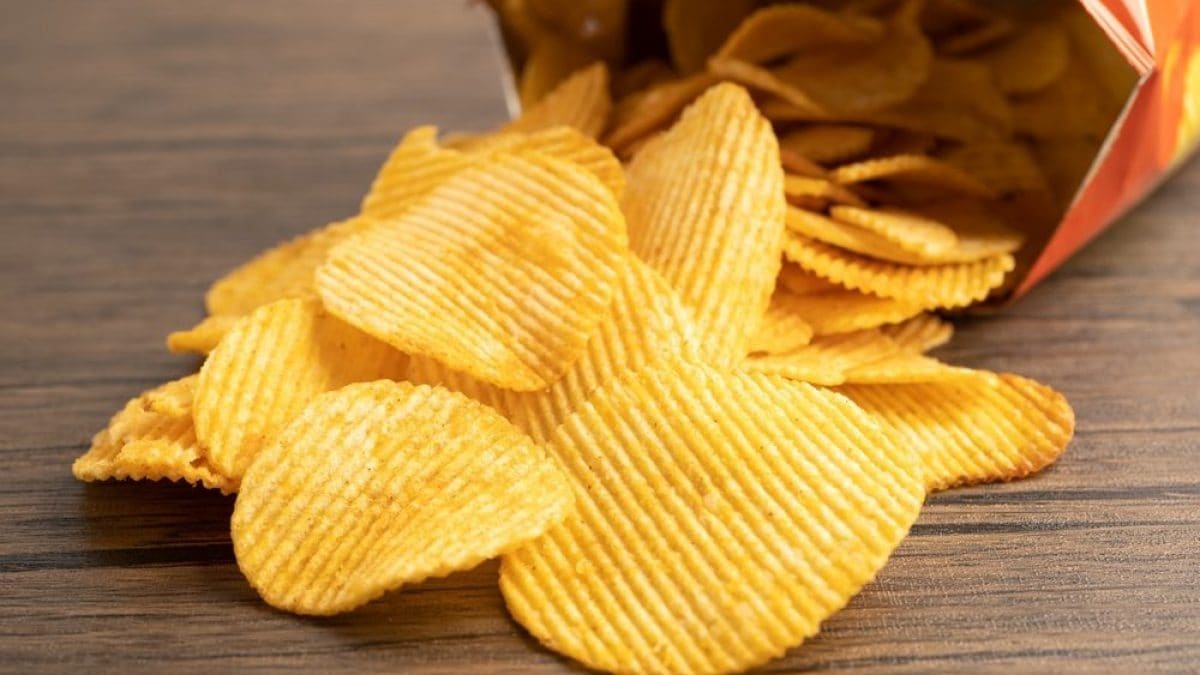
The bagged chips we normally munch on the couch in front of us could change. Behind a colorful bag of chips, in fact, lies an entire industry that, for years, has been engaged in a veritable technological challenge: ensuring consistently crispy chips while eliminating shelf-life defects as much as possible. A major step forward in this direction is a study conducted by researchers at Michigan State University, who have developed five new potato varieties specifically designed for producing bagged chips, thus helping to strengthen the supply in the United States by improving their disease resistance and long-term shelf life.
The Michigan Study
Located in the northeastern United States, Michigan is widely recognized as the nation's leading producer of potatoes specifically bred for potato chips. Industry estimates even report that approximately a quarter of potato chips consumed in the United States contain Michigan-grown potatoes. Therefore, this new research could not have come from elsewhere. The study, which culminated in the development of the five varieties, is also the result of years of genetic research conducted by David Douches, a potato geneticist at MSU. "Potatoes may seem simple," Douches explained, "but breeding them to meet modern needs is anything but simple. Different climates, pressures, and storage conditions require different characteristics. Having multiple varieties spreads the risk and keeps supply stable."
The 5 New Types of Potatoes
In late April, the University team announced the development of five new potato varieties, funded by the Michigan Potato Industry Commission, the U.S. Department of Agriculture's National Institute of Food and Agriculture, and Potatoes USA. The new varieties include Manistee, Mackinaw, Petoskey, Huron Chipper, and Blackberry.
- Manistee: the first of the group to be developed, it helped define a benchmark for long-term preservation, maintaining excellent product quality even in the advanced stages of the processing season.
- Mackinaw: combines high storage stability with resistance to potato virus Y, a major threat to crops.
- Petoskey: This variety produces starchy tubers that fry crisply and absorb less oil, resist scab, and retain their golden color during storage.
- Huron Chipper: It has a strong yield potential, is resistant to fungi and, above all, adapts to different climates.
- Blackberry: Finally, a touch of color. This purple-fleshed potato combines genetic innovation with the power of antioxidants, appealing to the gourmet market.
The focus is primarily on shelf life, as potatoes must maintain low sugar levels and integrity for up to eight months to ensure flavor. This commitment ensures a more stable supply chain, from growers to processors. Each variety, as can be seen, offers specific advantages, giving growers greater flexibility in different climates. After years of field testing, certified seed production is increasing and cultivated acreage is expanding. Therefore, we may soon discover slightly different flavors in the chips we usually consume, a sign of food engineering aimed at improving crop shelf life and resistance.
;Resize,width=767;)
