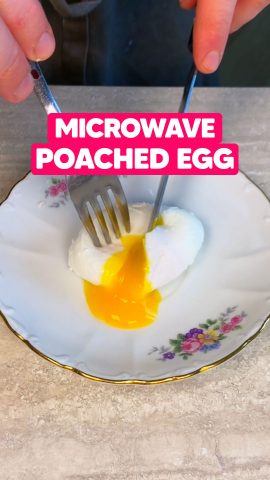
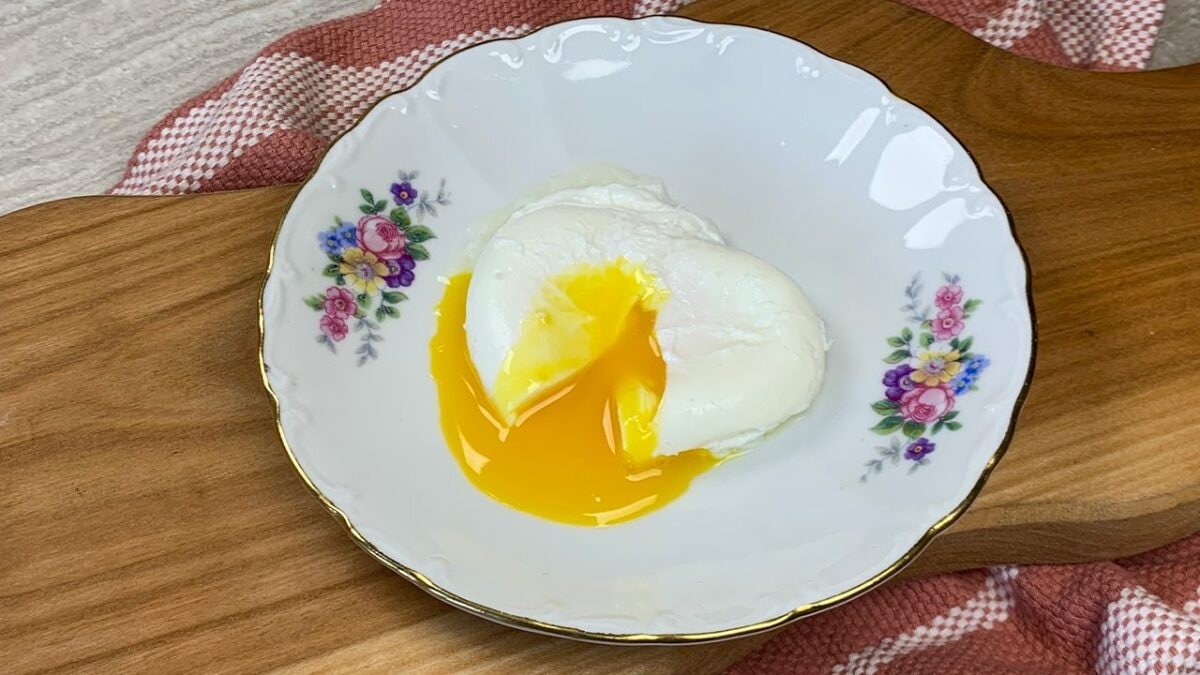
Making a microwave poached egg is one of the fastest ways to enjoy a healthy, protein-packed breakfast. With nothing more than an egg, water, and a splash of vinegar, you can create a tender poached egg without waiting for a pot of water to simmer.
Whether you're topping avocado toast, adding protein to a grain bowl, or serving it alongside a salad, this simple technique delivers delicious results in just a few minutes.
What Is a Microwave Poached Egg?
A microwave poached egg is simply an egg gently cooked in hot water inside the microwave instead of simmering on the stovetop. The surrounding water helps the egg cook evenly, while a little vinegar encourages the egg white to hold together.
The result is a soft, delicate egg with a tender white and a creamy yolk, although the exact texture depends on your microwave's power and cooking time.
Why Everyone Will Love This Recipe
This quick cooking method is perfect for busy mornings.
- Ready in about 2 minutes
- No stovetop required
- Minimal cleanup
- Great for healthy breakfasts
- Easy to customize with your favorite seasonings
- Perfect for toast, salads, and grain bowls
Once you learn this trick, you'll never hesitate to make poached eggs on a weekday.
Tips for the Best Microwave Poached Eggs
- Use a microwave-safe bowl deep enough to completely submerge the egg.
- Warm the water before adding the egg for more even cooking.
- Add a splash of white vinegar to help the egg white set.
- Cover the bowl loosely with microwave-safe plastic wrap or a microwave-safe plate to reduce splattering.
- Because microwave power varies, begin checking the egg after 60 to 90 seconds.
- Let the egg rest for about 30 seconds after cooking, as it will continue to firm up slightly.
- Remove the egg with a slotted spoon to drain excess water before serving.
- Season just before serving for the best flavor.
Frequently Asked Questions
Why Do You Add Vinegar?
A small amount of vinegar helps the egg white coagulate more quickly, producing a neater poached egg.
Can I Make a Poached Egg Without Vinegar?
Yes. The egg will still cook, although the white may spread a little more in the water.
Why Did My Egg Explode?
Eggs can overheat quickly in the microwave. Using enough water, covering the bowl loosely, and avoiding excessive cooking times helps prevent this.
How Long Should I Microwave a Poached Egg?
The exact time depends on your microwave's wattage. Most eggs cook in 1 to 2 minutes, so begin checking after about 60 to 90 seconds.
Can I Make More Than One Egg?
Yes. Use a larger microwave-safe bowl and leave enough space between the eggs so they cook evenly. You may need to increase the cooking time slightly.
What Can I Serve With a Poached Egg?
Poached eggs are delicious on avocado toast, English muffins, sautéed spinach, roasted vegetables, breakfast bowls, grain salads, or smoked salmon.
How to Store
Microwave poached eggs are best enjoyed immediately after cooking. If necessary, refrigerate them in cold water in an airtight container for up to 1 day. Reheat gently in warm—not boiling—water for about 30 seconds before serving.
How to Freeze
Freezing is not recommended. The egg white becomes rubbery after thawing, and the yolk loses its creamy texture. For the best flavor and consistency, prepare poached eggs fresh.
Ingredients
How to Make Microwave Poached Egg
;Resize,width=712;)
Fill a deep microwave-safe bowl with the warm water and stir in the white wine vinegar.
Fill a deep microwave-safe bowl with the warm water and stir in the white wine vinegar.
;Resize,width=712;)
Carefully crack the egg into the water, making sure it remains completely submerged.
Carefully crack the egg into the water, making sure it remains completely submerged.
;Resize,width=712;)
Cover the bowl loosely with microwave-safe plastic and microwave on high power, checking the egg after 60 to 90 seconds.
Cover the bowl loosely with microwave-safe plastic and microwave on high power, checking the egg after 60 to 90 seconds.
;Resize,width=712;)
Let the egg stand in the hot water for about 30 seconds, then lift it out carefully with a slotted spoon and drain away any excess water.
Let the egg stand in the hot water for about 30 seconds, then lift it out carefully with a slotted spoon and drain away any excess water.

Season with salt and freshly ground black pepper, then serve immediately over toasted bread, avocado toast, salads, grain bowls, or your favorite breakfast dish.
Season with salt and freshly ground black pepper, then serve immediately over toasted bread, avocado toast, salads, grain bowls, or your favorite breakfast dish.
;Resize,width=767;)
