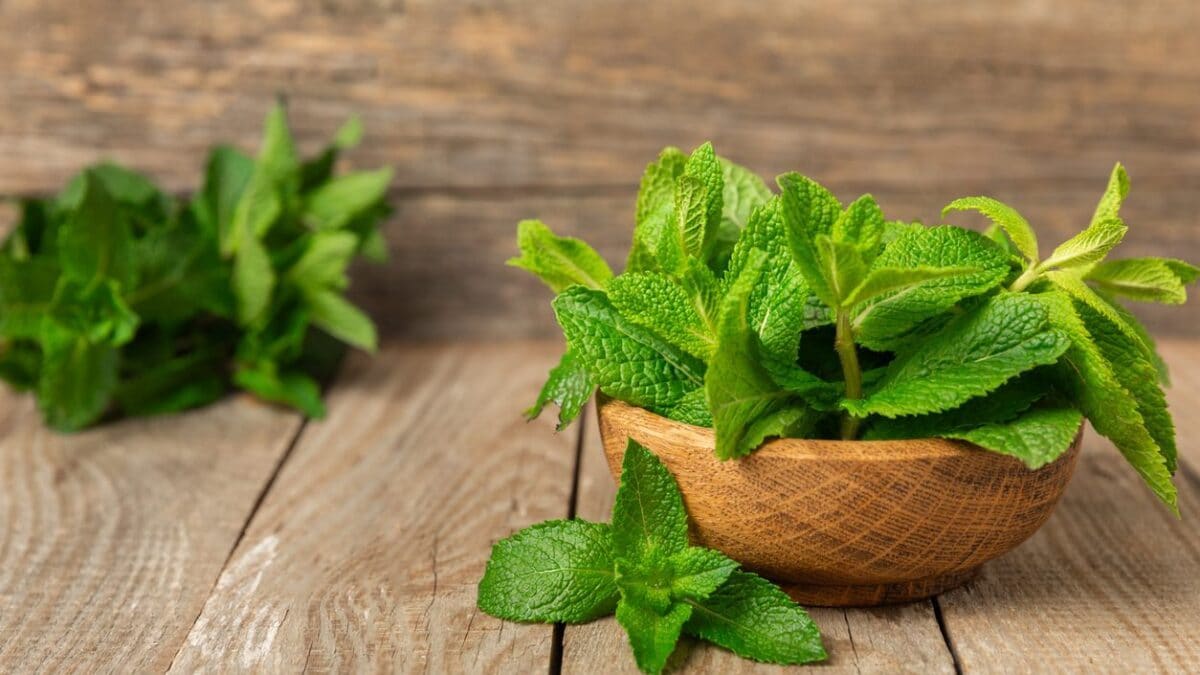
Mint is a perennial, aromatic herbaceous plant from the Lamiaceae family, famous for its fresh, pungent scent and used in a wide variety of ways both inside and outside the kitchen. There are many species and hybrids of mint, the most common of which is Peppermint, but they all share some characteristics that make this aromatic plant truly unique. Mint is extremely versatile; its aroma can enrich many recipes, but it can also be consumed as a herbal tea and added to various drinks, such as the famous mojito. But the plant is also very beneficial to our body, so much so that, since ancient times, it has been used as a natural medicine for its healing properties. Rich in vitamins and minerals, useful for coughs and colds and a friend to the intestines, mint is also famous for its antiseptic and refreshing properties. Mint is also very easy to grow at home, which is another reason to never let it be missing from your pantry: here are all its benefits, what you need to pay attention to, and how to take advantage of its great versatility in the kitchen.
Mint's Properties and Benefits
Composed primarily of water (about 86%), mint has a very rich nutritional profile: it contains a significant amount of mineral salts, particularly iron, phosphorus, calcium, potassium, and sodium, and a good dose of vitamins, especially vitamin C and vitamin A. It is an aromatic plant considered low in calories: while it is true that 100 grams of fresh product contain about 49 kcal, it is also true that very few leaves are used, so the actual calorie intake is almost zero. The most important property of mint, however, is its characteristic active ingredient: menthol, a substance that allows this highly fragrant plant not only to provide numerous benefits to the body but also to be very versatile, both in and out of the kitchen. What are the positive effects that mint can have on our body? Here they are in detail.
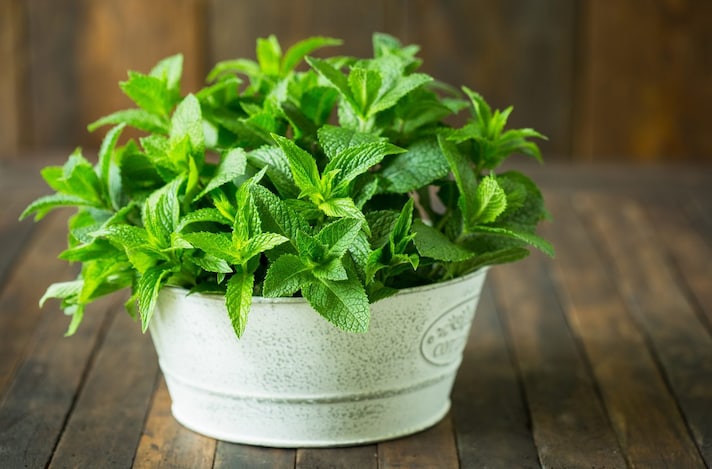
1. It Aids Digestion and Helps the Liver
One of mint's best-known properties is undoubtedly its ability to aid digestion, thanks to the action of menthol. Furthermore, mint also has carminative properties, meaning it supports the stomach and intestines in eliminating gas and preventing its formation. Mint teas are therefore excellent for relieving gastrointestinal disorders and alleviating the painful symptoms associated with intestinal spasms, thanks to its muscle-relaxing properties.
2. Relieves Nausea and Vomiting
Mint extracts are also prescribed to relieve nausea and vomiting, so much so that they are even recommended for people undergoing chemotherapy. Specifically, mint leaves are boiled in water to produce a beverage that, thanks to its relaxing properties on involuntary smooth muscles, has a sedative effect on the urge to vomit. An infusion of mint leaves, ingested before and during a trip, can help combat unpleasant seasickness or car sickness.
3. Helps Treat Cough and Sore Throat
Who hasn't eaten a mint lozenge to soothe a sore throat? Mint is recognized as a natural disinfectant, and for coughs, it can be used as an infusion or inhaled as an oil through a simple diffuser: its antiseptic effect will help relieve inflammation.
4. Acts as a Natural Pain Reliever
Menthol has an analgesic effect that makes mint useful for relieving mild, non-invasive pain. For example, it has a good anti-inflammatory effect in treating headaches, especially muscle tension headaches, and is very useful, thanks also to its muscle-relaxing properties, for reducing the intensity of menstrual pain or muscle cramps in the case of calf cramps.
5. Supports Intimate and Oral Hygiene
Mint is one of the most widely used aromatic plants in various cosmetic sectors thanks to its menthol, which provides a powerful refreshing, purifying, and toning effect, ideal for both intimate hygiene and oral hygiene. In particular, in the latter field, mint is used in a wide range of products, including toothpastes, mouthwashes, sweets, and chewing gum. The widespread consumption of these products is obviously linked to the plant's refreshing effect against bad breath, but also to its antibacterial action, which helps prevent pathogens from colonizing the oral cavity.
6. It is Excellent for Treating Inflamed Skin
Due to its soothing and refreshing properties, mint is a key ingredient in skincare and cosmetics, particularly for inflammation or invasive treatments. A common ingredient in creams, lotions, shaving foams, and balms, it is also often used in creams and formulas designed to soothe redness or mild skin burns. Furthermore, thanks to its antimicrobial properties, it is included in products designed to protect against pathogenic agents and is used in the treatment of acne.
Mint's Contraindications
Mint leaves, used in cooking as an ingredient, present no contraindications or problems. The situation is different when used in infusions or herbal teas, or as an essential oil: in this case, the concentration of its components is higher than in food-grade mint, and therefore it is best to use it in the recommended doses. Typically, for an infusion or herbal tea, 3-6 g of fresh or dried leaves are used per cup (about 150-250 ml of water), while for the essential oil, the dose is 3-5 drops, up to three times a day. In some specific cases, mint intake should be limited, if not avoided altogether, but always after consulting your doctor.
In general, it's best to use it sparingly and cautiously if you suffer from gastritis, reflux esophagitis, or peptic ulcers, as high doses can cause gastrointestinal damage. Be careful if you're prone to gallstones, too, as mint stimulates bile flow and can cause colic if stones are present. Like other medicinal plants, mint can interfere with the pharmacological action of some medications, and is contraindicated for those allergic or hypersensitive to plants of the same family, to menthol, or to specific fragrances it contains.
How to Use Mint in Cooking
When you think of mint, its scent and freshness immediately come to mind, characteristics that make this plant incredibly versatile, usable both fresh and dried. Precisely because of its flavor, mint is primarily associated with desserts and drinks, and rightly so, but mint can be used to prepare everything, from appetizers to main dishes to side dishes. One of the most popular savory preparations is mint pesto, a delicious variation of traditional pesto, ideal for use on crostini and bruschetta, but also excellent for seasoning salads or even as a pasta sauce.
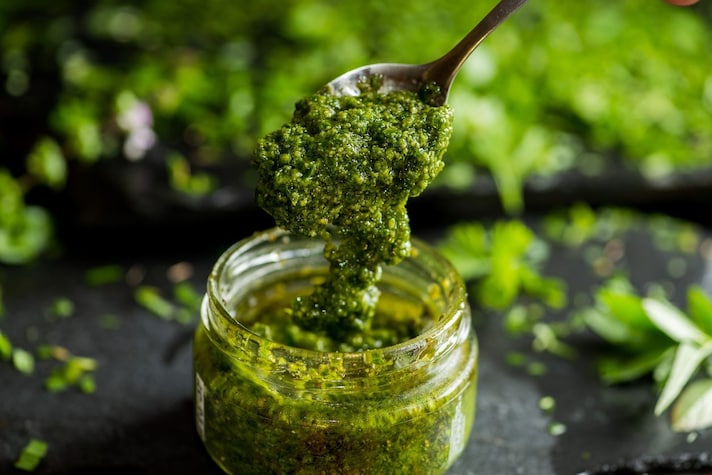
As for first courses, mint risotto is an elegant and inviting recipe that you can prepare for a special occasion, but mint also pairs beautifully with all vegetables and even legumes. You can add it to soups, minestrone, and veloutés, or you can use it to flavor side dishes based on green beans, broad beans, and artichokes, or you can combine it with the ingredients of cold pasta salads, when they are full of seasonal vegetables. Mint is also excellent paired with fish and some very flavorful meats, such as lamb, or with eggs, especially in recipes like frittatas. Mint is excellent in mixed seasonal salads, especially those with particularly savory cheeses like feta, whose flavor it perfectly balances.
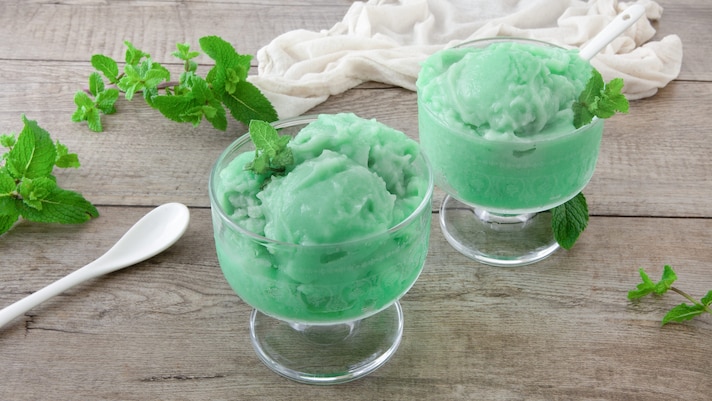
Naturally, you're spoiled for choice in the dessert section: mint pairs well with chocolate, but also with creams. You can choose from cookies, cakes, ice creams, but also mint candies, popsicles, granitas, mousses, and sorbets. To enjoy all its beneficial and healing properties, use mint to prepare infusions and herbal teas, excellent for colds and coughs, but also in drinks to treat yourself. The king of mint-based cocktails is the mojito, which you can also prepare in a virgin version, but you can also use mint to prepare mint liqueur, an excellent digestif, or a delicious mint syrup. And if it's summer and you don't know how to escape the heat, try milk and mint: it's a refreshing and fragrant drink, delicious with a few ice cubes to recharge and fortify you on a sultry afternoon.
;Resize,width=767;)
