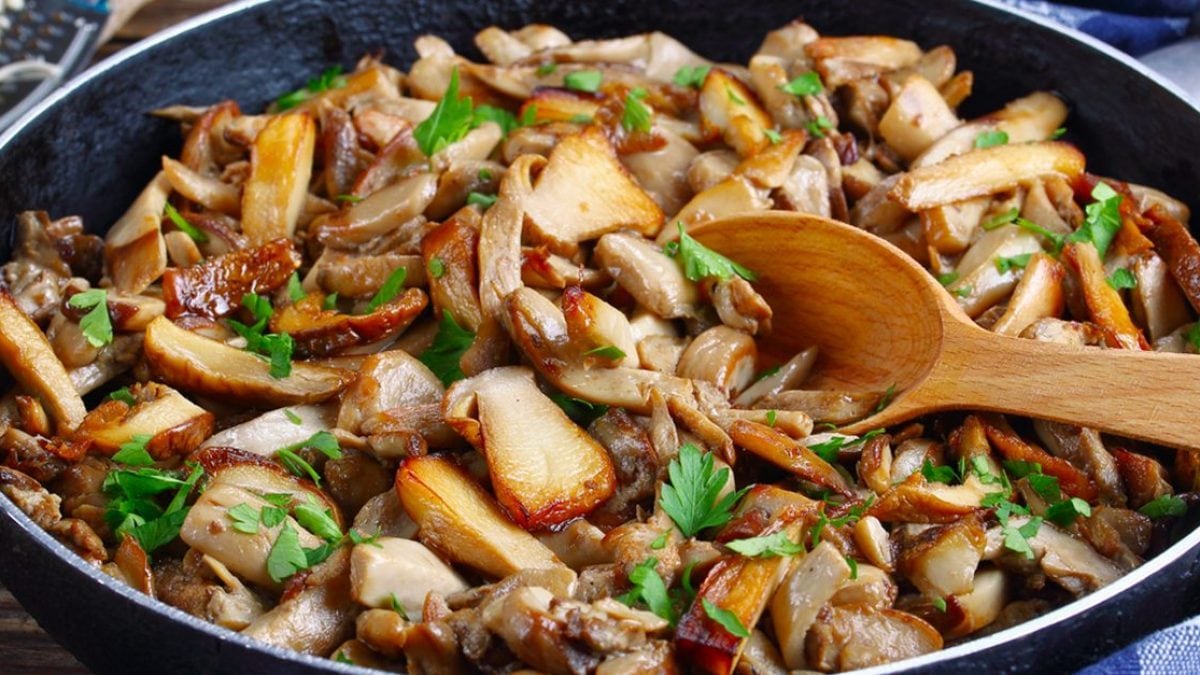
Autumn means pumpkins, and, of course, mushrooms: these forest-grown foods are a true symbol of the season, conquering tables and palates with their unparalleled flavor and aroma. Belonging to the eukaryotic family (which also includes yeasts and molds), mushrooms are an excellent food for our health, useful for vegetarians as a natural source of protein, but in reality, they're beneficial for everyone.
Mushrooms, in fact, among their many benefits, also have that of being very rich in fiber and certain types of vitamins, of being very low in calories and of being very versatile: in the kitchen they can be prepared in a thousand different ways, using them in first courses, second courses and side dishes.
When eating mushrooms, however, you need to be very careful: not all varieties are edible, some are highly toxic or even poisonous, and even with the species you regularly consume, you need to take certain precautions to be able to eat them without incurring unpleasant, if not dangerous, side effects. Let's discover together the beneficial and nutritional properties of mushrooms and what you need to pay attention to to enjoy them without any risk.
Mushrooms' Properties and Benefits
Mushrooms are particularly known for their great richness in fiber, but perhaps you don't know that these foods are rich in many other properties that make them great allies for the well-being of your body.
For example, mushrooms are an excellent source of protein and linoleic acid, an essential fat that supports all those molecules involved in regulating inflammation, immunity, blood pressure and platelet aggregation.
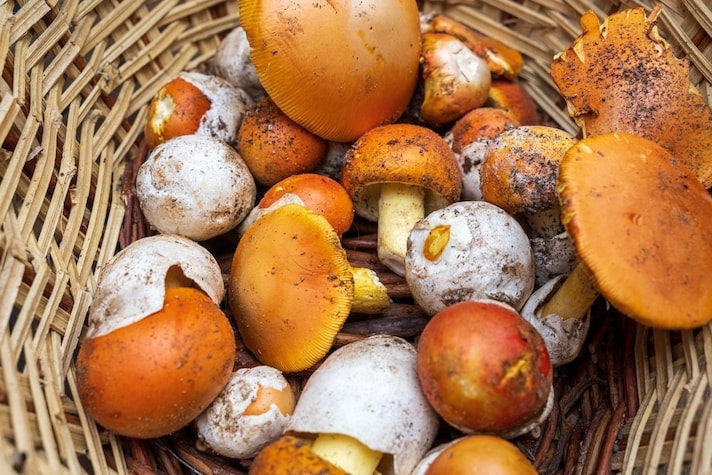
Mushrooms contain various minerals, some beneficial for bones and teeth (calcium and phosphorus), others for cardiovascular health (potassium), and still others with antioxidant properties (manganese and selenium). They are also rich in vitamins. In particular, they contain vitamin B2, an important support for proper metabolism, and vitamin B3, which helps oxygenate the blood and maintain a healthy nervous system.
But do you know what the most notable characteristic of mushrooms is? Despite their great nutritional value, they are extremely light, contain a lot of water, and are very low in calories, about 26 kcal per 100 grams, making them perfect even for those on a diet who don't want to sacrifice flavor.
Among the many benefits of mushrooms, the following stand out in particular:
- The ability to strengthen the immune system thanks to the presence of vitamins, proteins and antibacterial properties.
- The ability to strengthen bones, because when they are exposed to the sun they produce lots of vitamin D, essential for allowing your body to absorb calcium.
- The antioxidant power, which helps to counteract the harmful effects of free radicals, slow down cellular aging and keep blood pressure under control.
- The ability to regulate the intestine thanks to the high presence of fiber within them.
- The ability to fight anemia, because they contain a good level of iron.
- The ability to strengthen hair, nails and skin thanks to the presence of selenium, which promotes resistance and brightness.
How to Eat Mushrooms Safely
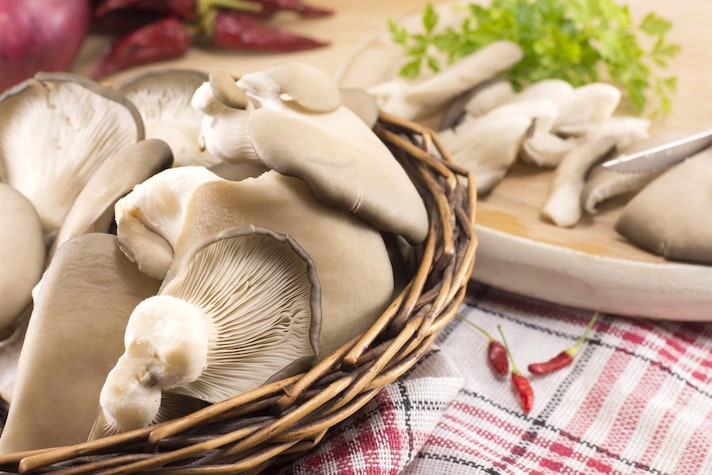
Eating mushrooms can be incredibly satisfying, but it can also be dangerous: not all mushrooms are edible, and some species can be very dangerous to eat. If you find yourself picking fresh mushrooms, or perhaps you receive them as a gift, and you're not an expert, remember to have the mushrooms checked by an expert mycologist. What you may not know, however, is that even edible mushrooms can be dangerous: if prepared incorrectly or stored incorrectly they can lead to poisoning.
In general, remember that cultivated mushrooms lack flavor and nutritional value compared to fresh ones, but they are safer from the risk of poisoning. In both cases, it's crucial to pay attention to the quantity: you can't eat mushrooms indefinitely because they would be difficult to digest, and large quantities can lead to poisoning. The recommended amount is about 80 grams, a maximum of twice a week.
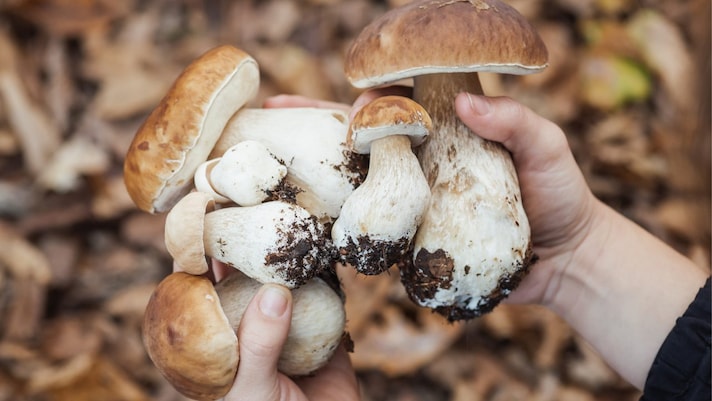
Even when it comes to cooking, you need to be careful. If you're pan-frying mushrooms, whether fresh or frozen, experts recommend cooking them uncovered to facilitate the evaporation of heat-labile toxins that can cause problems. It's extremely important to only consume mushrooms in perfect condition: they're particularly susceptible to parasite or bacterial infestations, so always make sure they're firm, free of bruises, mold, or rotten parts.
A very common preservation method is that of canned mushrooms, which are excellent but must be handled correctly because, if stored incorrectly, botulism could develop inside the jar (a risk common to all products preserved in oil). To avoid this eventuality, if you prepare the preserves yourself at home, it's a good idea to wash the mushrooms thoroughly and blanch them in water and vinegar before placing them in the jar, which, of course, must be well sterilized.
Can You Eat Raw Mushrooms?
A major, much-debated dilemma concerns whether or not to eat raw mushrooms: is it safe or dangerous? The truth, as is often the case, lies somewhere in between. The safest way to consume mushrooms is cooked, but some species, like porcini, can be eaten raw, for example in carpaccio or salads.
However, you must be extremely careful if you want to eat raw mushrooms: first of all, they must be fresh and in perfect condition, and collected by trusted experts who can ensure they are not toxic or poisonous. In short, you must be absolutely certain that the variety is edible, not dangerous, and not in a state of deterioration.
Only fresh mushrooms can be eaten raw, while dried and frozen mushrooms must be cooked before eating. Another key aspect is quantity: raw mushrooms are highly concentrated and much less digestible, so they should be consumed in small doses to avoid the risk of food poisoning.
;Resize,width=767;)
