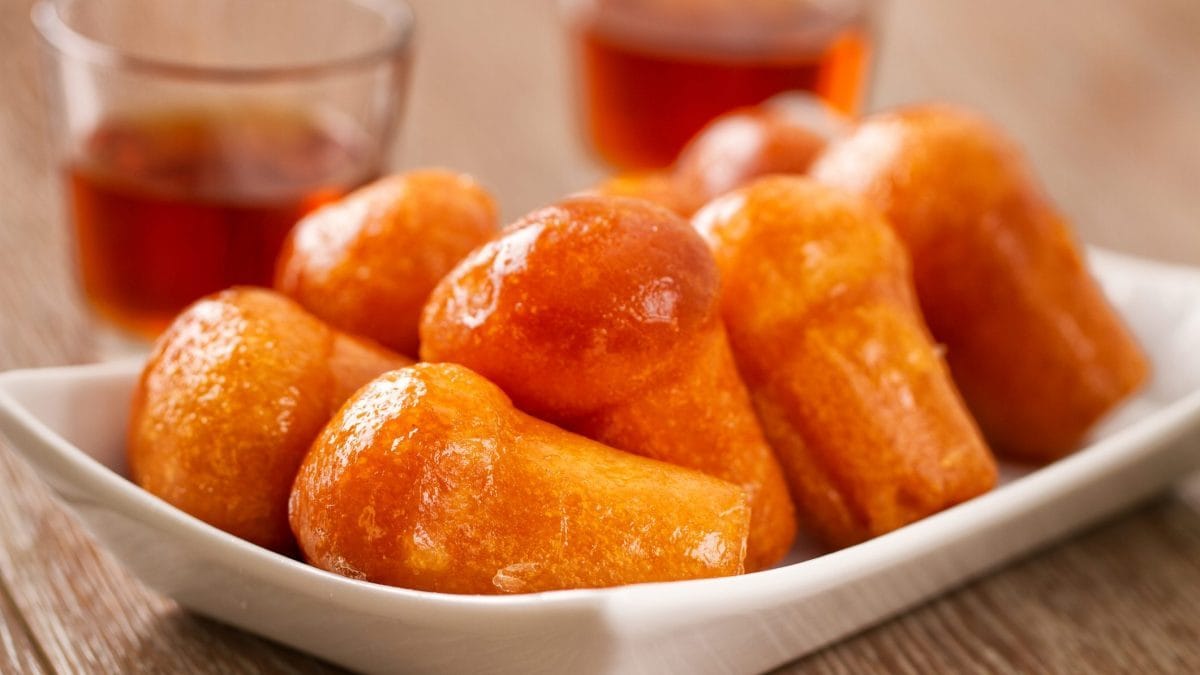
"Once upon a time there was a Pole, a Frenchman, a Neapolitan, and…a dessert": no, it's not a joke, but the beginning of the story of the babà. Believe it or not, it's not a tale of our imagination, but a true story featuring this iconic dessert, and it begins in Poland, or rather, with a Polish king. Because one of the city‘s iconic desserts wasn't actually created on the slopes of Vesuvius, but in a region of northeastern France, as an evolution of the rum-soaked kugelhopf, created by an exiled king.
In the Beginning, It Was Ali Baba
If today we can enjoy one of the most characteristic desserts of Neapolitan pastry making, we owe it to an exiled ruler of Slavic origins. The ancestor of this wonderful dessert was, in fact, the former Polish king Stanisław Leszczyński in the first half of the 18th century. Whether it was a coincidence isn't entirely certain, but legend has it that, during his exile in Lorraine, the king soaked a typical Polish dessert called kugelhopf in liqueur because he considered it too dry. It wasn't exactly Neapolitan baba, but a cake made of flour, butter, sugar, eggs, and sultanas, which, with the addition of liqueur, immediately won the king's heart.
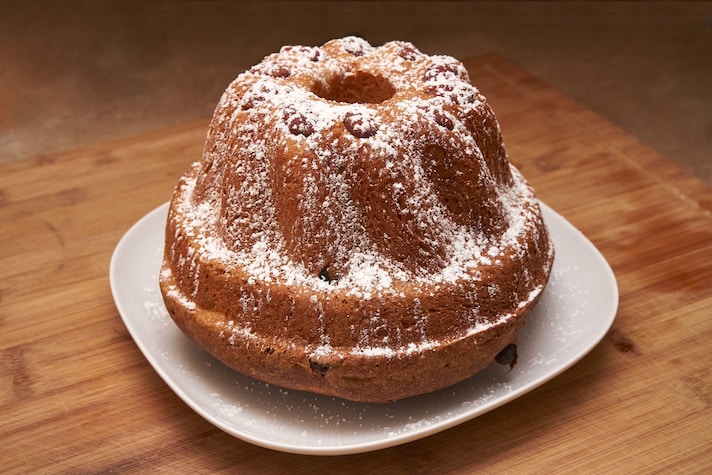
At this point, obviously, the king thought he had to give a name to this new, emerging specialty and, just like those parents who name their children after their idols, in the same way he named his dessert after one of his favorite literary characters, and you already know who: we are talking about Ali Baba, the protagonist of the enchanting series of tales "One Thousand and One Nights".
The Transition to The Court of Versailles and the French Influence
Now, the question is: how did this then-completely unconventional dessert emerge from its home? Thanks to Stanislaus's daughter, Maria Leszczyńska, who married Louis XV, King of France. With her, this first archaic form of baba arrived at court and was apparently incredibly popular. But, when it comes to cuisine, the French have always known how to dictate trends: at the time, Jamaican rum was very popular in French courts, and, as you can quickly imagine, it replaced the old liqueur, giving us what most closely resembles the baba we know today.
It was in France that this dessert acquired its distinctive shape: it was French pastry chefs, particularly Nicolas Stohrer —after whom the oldest pastry shop in Paris, founded in 1730, takes its name—who gave it the shape of a sort of mushroom, a shape that has remained unchanged to this day. Even today, this very pastry shop serves this now historic recipe, and it seems the French really like it served with plenty of rum.
The Arrival in Naples
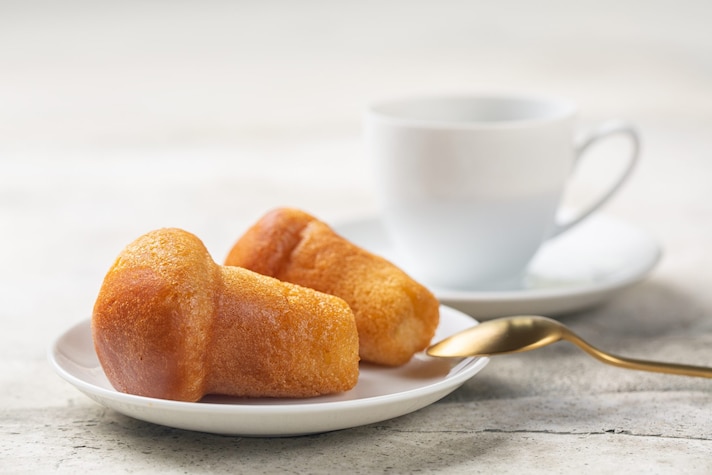
We arrive at the third and final stop on this journey, in the city of Naples where this dessert has enjoyed the greatest success. It is said that it was court chefs who transported this dessert from the gardens of Versailles to the slopes of Vesuvius, although it is unclear how. In fact, some say it was the Neapolitan chefs serving the Bourbon court who, after spending time in France learning their culinary techniques, brought the babà with them and then replicated and adapted it in their city, making it moister and softer. Others believe that Maria Carolina of Austria, wife of the King of Naples, Ferdinand IV of Bourbon, tired of Neapolitan cuisine, called into her service some chefs from the French court, called monsù (from the French monsieur), who taught the Neapolitan pastry chefs, among other things, how to prepare this delicious dessert. Whatever the story, what is certain is that the babà as we know it today is the result of a fusion of French and Neapolitan gastronomic cultures.
Although this dessert has traveled across two countries and three different cultures, it must be said, for the sake of intellectual honesty, that it reached its pinnacle in the city of Naples: as recounted by Flavia Amabile in her book "Si nu'…babbà," the recipe appears in the "Manuale del cuoco e del pasticciere di raffinata gusto moderno," published between 1832 and 1834 and written by Vincenzo Agnoletti. Babà thus became one of the most beloved desserts among Neapolitans, so much so that it even became a very sweet compliment: in fact, if a Neapolitan were to ever say "si nu babbà" to you, know that they are lovingly highlighting your extremely sweet nature.

