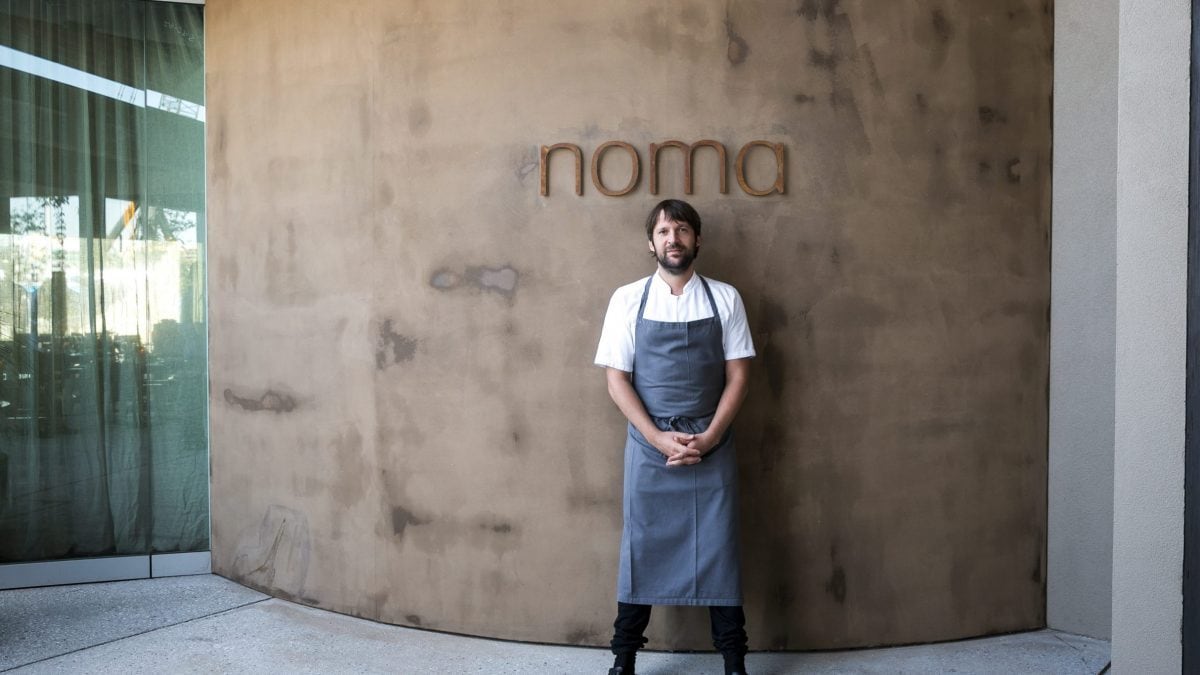
Noma, the three-starred restaurant in Copenhagen that for over a decade embodied the global gastronomic avant-garde, has returned to the center of a debate that extends far beyond the kitchen. The accusations relaunched on social media in February 2026 by a former fermentation laboratory manager have rekindled attention on the alleged abuses and a "culture of pressure" within the restaurant. Currently, what is documented is the public existence of the accusations and the online mobilization; many details, however, remain based on testimonies not yet confirmed in legal proceedings or investigations based on official documentation.
At the same time, the precedents surrounding the use of unpaid interns and the subsequent decision to pay them starting in 2022 remain verifiable and widely reported by international media , as is the 2023 announcement of a business model transformation, partly motivated by the economic and emotional unsustainability of fine dining. It is in this intertwining of accusations, established facts, and the structural crisis in the sector that the Noma case takes on a global symbolic significance.
The Accusations Against Noma
For years, Noma was much more than a restaurant: it was a creative laboratory, a magnet for young chefs, a cultural brand capable of redefining the very idea of Nordic cuisine. When a place with this symbolic weight finds itself at the center of accusations of violence or abuse at work, the issue ceases to be internal to the industry and becomes a global discussion on the fine dining model.
In early February 2026, former fermentation manager Jason Ignacio White posted a series of accusations and testimonies on social media describing a work environment characterized, according to this author, by pressure and abusive dynamics. Various accounts point to February 6th as the moment the online scandal erupted publicly, with the dissemination of content that quickly attracted international attention.

According to posts and screenshots shared on social media by Jason Ignacio White, former head of Noma's fermentation lab, the internal climate was marked by traumatic incidents and behaviors that went beyond simple work pressure. The former employee launched a campaign on his Instagram account (@microbes_vibes) using a very clear label: "Noma Abuse."
In one of the most frequently cited comments, White writes, "Before they delete it. I can still hear her screaming sometimes. What a disgusting place," suggesting a lingering memory of a scene of suffering. In another passage, the former employee describes a specific incident allegedly involving a young intern: "Remember that time a 19-year-old intern burned her face and the other staff members laughed until I forced them to call an ambulance?" This story suggests not only a serious incident but also a collective reaction perceived as inhumane. Among the testimonies relaunched under the same social media campaign is an even more explicit accusation of physical violence, attributed to a former worker: "I've been diagnosed with post-traumatic stress disorder. Noma broke me in so many ways… from bullying to René punching me in the ribs to turn down the volume in the Prep kitchen." This statement, if confirmed, would move the case beyond the issue of exploitation and into that of direct assault.
At this stage, what is verifiable is the existence of the social mobilization and the public stance taken by the former employee. However, many specific details about the alleged incidents remain at the level of testimonies circulated online or reported in the press, and have not yet been crystallized in public judicial proceedings or investigations with official documentation. This requires caution in distinguishing between accusations and established facts.
Interns and Unpaid Work Have Been Documented Before
Even before the 2026 allegations, Noma had already faced criticism for its reliance on interns. For years, as was the case in many high-end kitchens, a significant portion of the work was performed by unpaid or minimally paid interns. Several international media outlets reported that in 2022, Noma began paying its interns, a move that significantly impacted the restaurant's operating costs.
This element is relevant because it highlights a structural dynamic: when access to a prestigious position is worth more than the salary, workers' bargaining power is drastically reduced. This isn't in itself evidence of abuse, but it creates a context of strong asymmetry.
In 2023, Noma announced the end of regular service, initiating a transformation toward a more research- and project-oriented model. The public reason for this was the difficulty of sustaining traditional haute cuisine, both financially and emotionally.
The Context of International Fine Dining
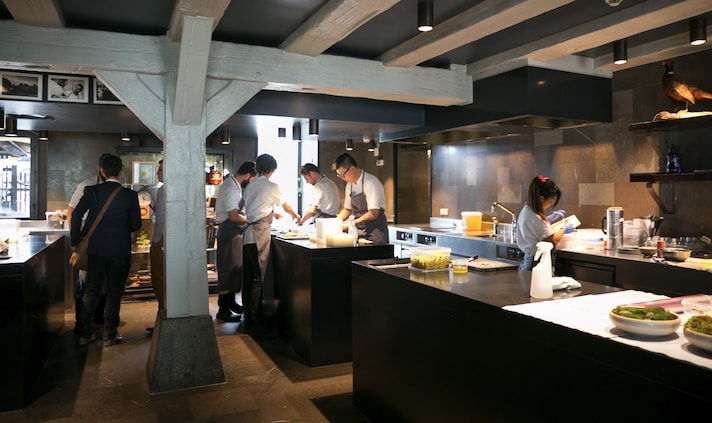
The accusations surrounding Noma don't arise in a vacuum. In recent years, several international investigations have exposed a culinary culture often based on rigid hierarchies, grueling schedules, and a rhetoric of excellence that can degenerate into humiliation or intimidation. In this landscape, Noma becomes a symbolic case not so much because it is isolated, but because it represents the pinnacle of the model. If critical issues emerge there, the entire system is called into question.
The Danish Framework and Labour Protections
Denmark is often described as the Danish Model, which relies largely on collective agreements between unions and employers' organizations. In theory, this system offers solid protections for working conditions and employee rights. However, actual protection depends on the sector's contractual coverage and the concrete opportunity for workers, often young and international, to assert their rights without fear of professional repercussions.
What We Know and What Remains to Be Verified
To date, it is documented that public accusations have been made by a former employee, and that the issue of working conditions at Noma has already been the subject of international discussion regarding the issue of interns and the sustainability of the model. However, there are currently no public court rulings or proceedings that have definitively established specific incidents of physical or psychological abuse.
The case therefore remains open; but, regardless of developments, it has already had a tangible effect: it has shifted the debate from the almost mythological admiration for culinary excellence to the more concrete and less glamorous question of the human toll that same excellence takes.
;Resize,width=767;)
