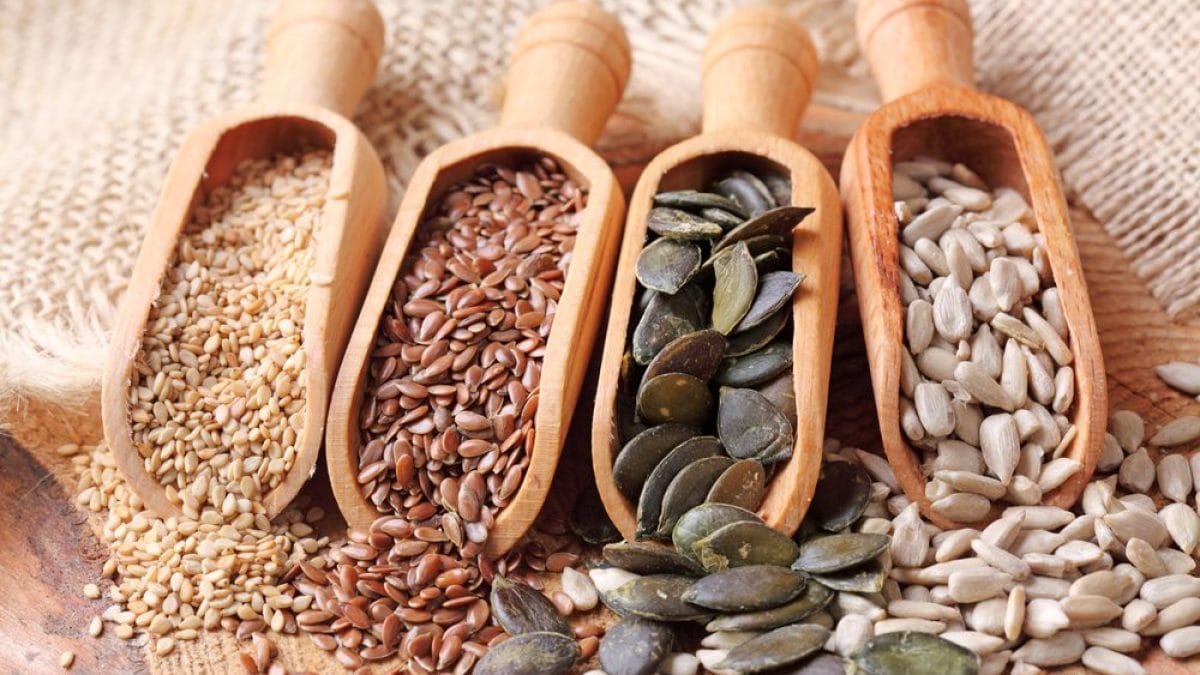
Sesame, chia, flax, but also sunflower, pumpkin, and hemp: oily seeds are nature's little treasures that enrich our diet with flavor and health benefits. They come from different plants, but they all have in common: they're rich in healthy fats, vitamins, minerals, fiber, and antioxidants. Today, we'll explore what oily seeds are, their benefits and potential health risks, and how to use them in the kitchen to prepare delicious and nutritious dishes.
What Are Oily Seeds?
These are seeds found inside dried fruits and contain a high amount of vegetable oils. Among the most common are nuts, such as almonds, walnuts, and hazelnuts. There are also other types, some well-known, others less so. Here are the most common oily seeds available commercially.
- Sunflower seeds: Who doesn't know those large yellow flowers that follow the sun's motion? These giant daisies contain seeds highly prized for their sweet flavor and high vitamin E content, a powerful antioxidant that protects cells from free radicals. Use them to create a crispy topping for your bread, but also in focaccia or cookies.
- Pumpkin seeds: These are obtained from the pulp of the pumpkin, a typical round, orange autumn vegetable. Pumpkin seeds have a delicate flavor and a soft texture, and are rich in cucurbitin, a substance with beneficial effects on the urinary tract and prostate. They are perfect in salads but are also widely used in baking.
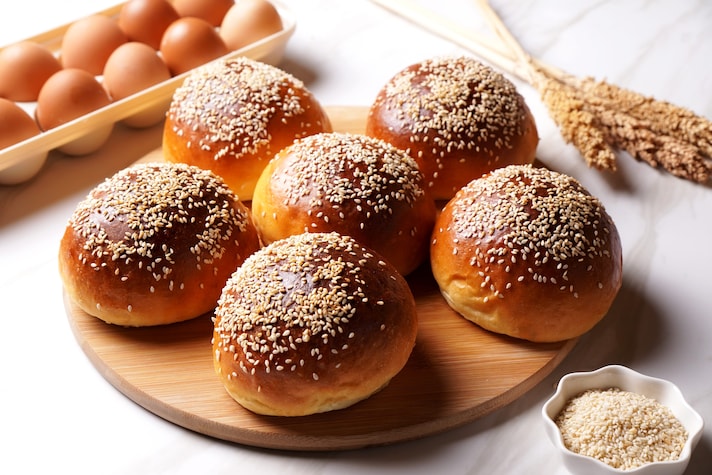
- Sesame seeds: They come from the sesame plant, native to Asia and Africa. They are small and flat and have an aromatic, toasted flavor. An exceptional source of calcium, iron, magnesium, and B vitamins, they are often used in baking to add a touch of flavor to breads, including focaccia, and rolls.
- Flaxseed: The flax plant has been cultivated since ancient times for its textile fibers. The seeds extracted from it are oval and shiny, brown or golden in color, and have a slightly nutty flavor. They are rich in soluble fiber, which promotes intestinal regularity and blood sugar and cholesterol control, and omega-3 fatty acids, which have anti-inflammatory and heart- and brain-protective properties. We recommend them in our seed crackers recipe .
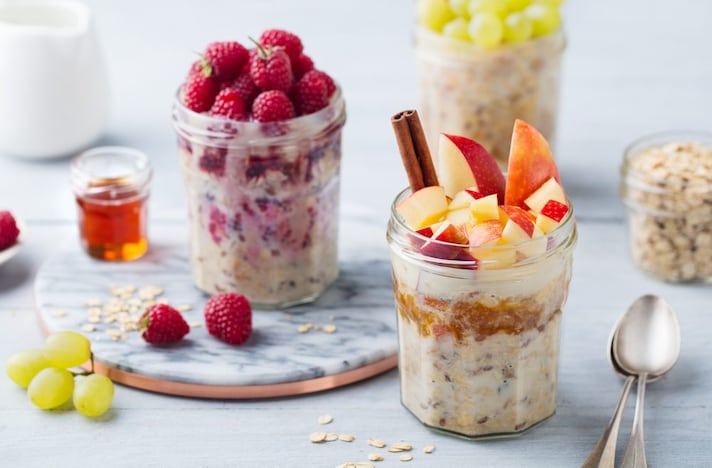
- Chia seeds: Derived from the chia plant, native to Mexico and Guatemala, they are small and round, white or black in color, and have a neutral flavor. They are considered a superfood due to their high content of complete plant-based proteins, soluble and insoluble fiber, calcium, iron, magnesium, and omega-3 fatty acids. Use them to make porridge or overnight oatmeal and you'll feel the energy boost!
- Hemp seeds: Rich in protein, fatty acids, fiber, and micronutrients, including antioxidants, vitamins, and minerals, hemp seeds can be used in a variety of recipes. Try adding them to yogurt with your cereal for breakfast or adding them to smoothies and shakes.
- Poppy seeds: Rich in unsaturated fatty acids, especially omega-6, which have beneficial effects on the cardiovascular system and metabolism, they are also an important source of calcium, manganese, copper, potassium, iron, and vitamins B and E2. In cooking, they are used to enrich desserts, bread, salads, and other dishes.
The Correct Daily Amount of Oily Seeds
As we've seen, oily seeds provide numerous benefits to our body, which is why they're particularly popular with vegetarians and athletes. But be careful: despite their numerous benefits, it's important to remember they should be consumed in moderation. In a healthy and varied diet, even if you're aiming for weight loss, you can consume approximately 10-15 grams (2-3 teaspoons) per day. You can choose to consume them all at once or spread them across several meals throughout the day, such as in yogurt for breakfast, a salad for lunch, or a smoothie for an afternoon snack.
Contraindications
One reason to avoid overindulging is that they're high in calories, which is why they should be limited, especially if you're trying to lose weight. Other contraindications to using oilseeds include:
- Interactions: Flaxseeds may interfere with the absorption of certain nutrients or medications, as they reduce blood pressure and thin the blood. For example, flaxseeds may reduce the effectiveness of birth control pills or anticoagulant medications. If you suffer from any medical conditions or are taking any medications, it is therefore advisable to consult your doctor before adding them to your daily diet.
- Intolerances or allergies: Some people may have difficulty digesting oily seeds due to their high fiber and fat content. This can cause bloating, gas, cramps, or diarrhea. In this case, it's recommended to reduce the amount of oily seeds or choose more easily digestible ones, such as sunflower or pumpkin seeds.
- Diverticulitis: Oily seeds can irritate diverticula, small pouches that form in the colon wall. This can cause inflammation, pain, and infection. People suffering from diverticulitis should therefore avoid whole oily seeds and opt for seed oils, which have the same benefits but do not inflame diverticula.
How to Use Oily Seeds in Your Cooking
After examining their benefits and drawbacks, let's look at how to use oily seeds in the kitchen. They are versatile and tasty ingredients that can be used to prepare sweet or savory, simple or elaborate dishes in creative and appetizing ways:
- To enrich yogurt, porridge , or overnight oatmeal for breakfast, add crunch and nourishment. You can use the oily seeds whole or chopped, or in the form of butter or plant-based milk.
- To add flavor and texture to fresh or cooked vegetable salads, sprinkle the seeds on top or mix them into the dressing. You can use them toasted or raw, or in the form of vegetable oil.
- To make creamy and nutritious sauces to pair with pasta, rice, grains, legumes, vegetables, meat, or fish, you can blend them with water, plant-based milk, or yogurt, adding spices, herbs, garlic, or onion to taste.
- To flavor and add crunchiness to tarts, biscuits, muffins, or to create energy bars, but also to decorate cakes, ice creams, or mousses.
- To create delicious and healthy snacks to take with you or to offer to guests: you can use oilseeds to make crackers, breadsticks, or mixed dried fruit.
;Resize,width=767;)
