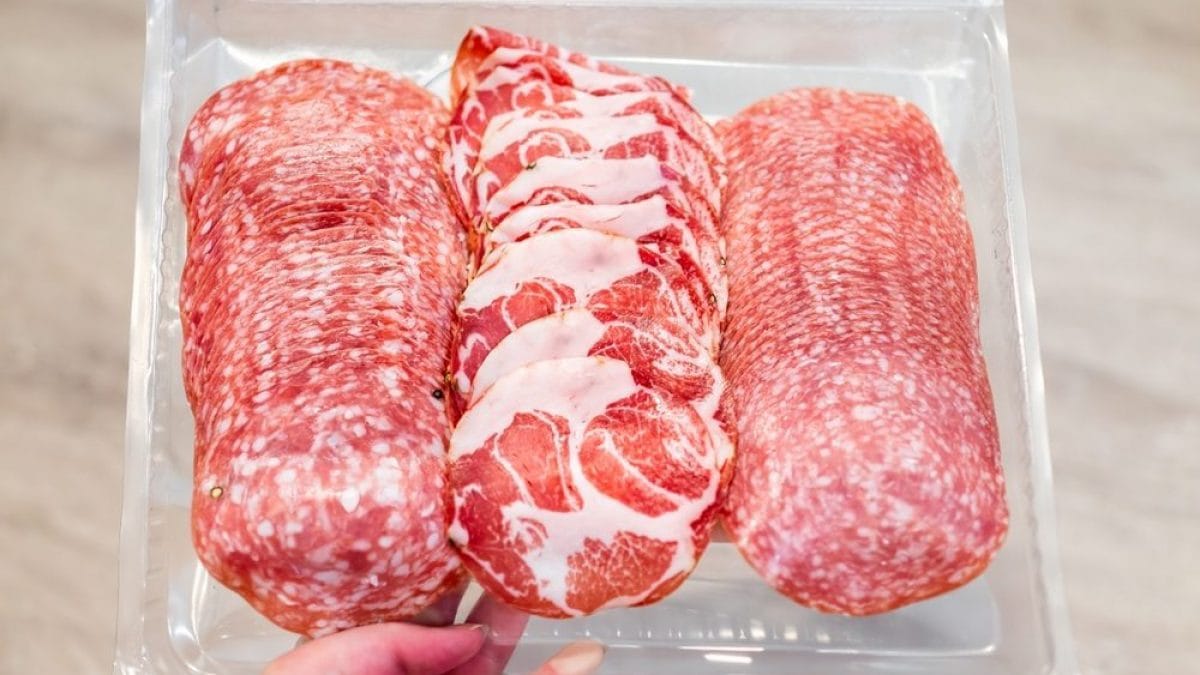
Cold cuts and cured meats are among the most readily available and easy to use food products. When shopping for them at the supermarket, there are usually two options to consider: those found at the delicatessen counter and those packaged in trays. Which is better? Are there any rules to follow?
In reality, from this point of view, much depends on personal needs, as intrinsic quality is influenced by multiple factors that involve the entire supply chain, starting from livestock breeding practices, the choice of cuts, the method of processing the meat and its packaging. As for additives and preservatives, such as the ever-controversial nitrites and nitrates, these appear in many cured meats as color improvers and to prevent the formation of botulism.
According to the Ministry of Health's guidelines, cured meat consumption should be modest: one portion equals 50 grams, eaten once or twice a week. Relying on artisanal producers recognized for their virtuous work would be the best option, but it would change the paradigm for those who consider cured meats a practical and versatile food, perfect for stuffing a sandwich for a quick bite, rather than simply savoring them as a symbol of local excellence.
Pros and Cons of Pre-Packaged Cold Cuts and Cured Meats
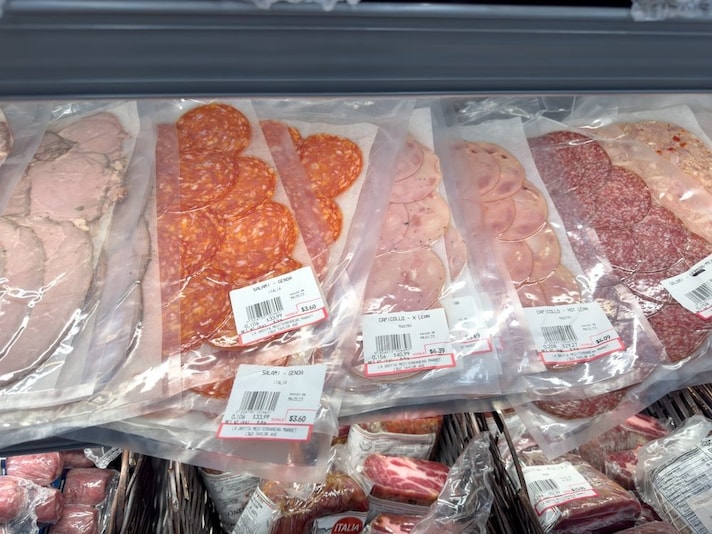
Pre-packaged sliced and cured meats are technically packaged in a protective atmosphere: this means that inside there is a mixture of gases, usually nitrogen and carbon dioxide, thus deprived of oxygen, which prevents the product from deteriorating quickly and from developing microorganisms that are potentially harmful to health. All this, of course, if the tray remains intact and the expiration date is respected. From this we can deduce that this type of packaging is chosen when it is convenient to have ham or bresaola on hand, but when it is not known exactly when it will be consumed. Furthermore, if you are in a hurry while shopping, this option is a time-saving option, to avoid standing in line at the counter. Furthermore, the label has all the necessary information regarding traceability and nutritional values. Many brands are converting to green packaging that aspires to be sustainable (such as recyclable ones), which should be taken into consideration when considering responsible purchasing.
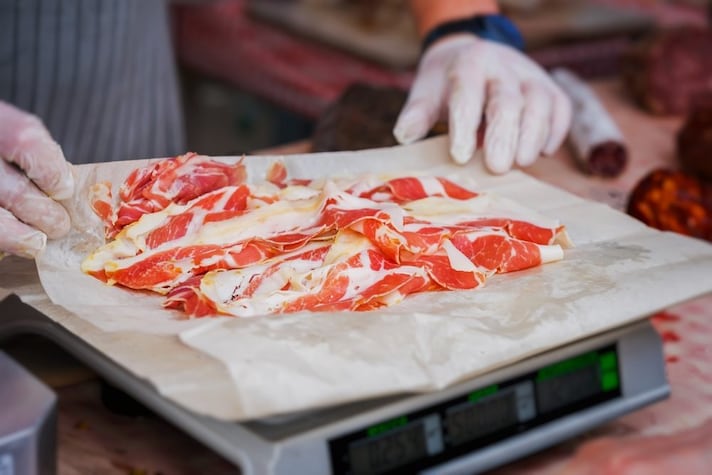
When is it better to choose a freshly sliced product? First of all, it reduces waste: although it is quickly perishable (it lasts a couple of days), you can choose the right amount of cured meat, just the right amount for a specific dish, and it's less likely to "forget" to have it in the refrigerator if you have leftovers. You can also ask for a taste and discuss with the delicatessen whether you prefer a thicker or thinner slice. From an economic standpoint, cured meats from the counter are more convenient than those in trays (there are more offers and the higher packaging costs are eliminated), leading many consumers to opt for the latter precisely because they save money.

