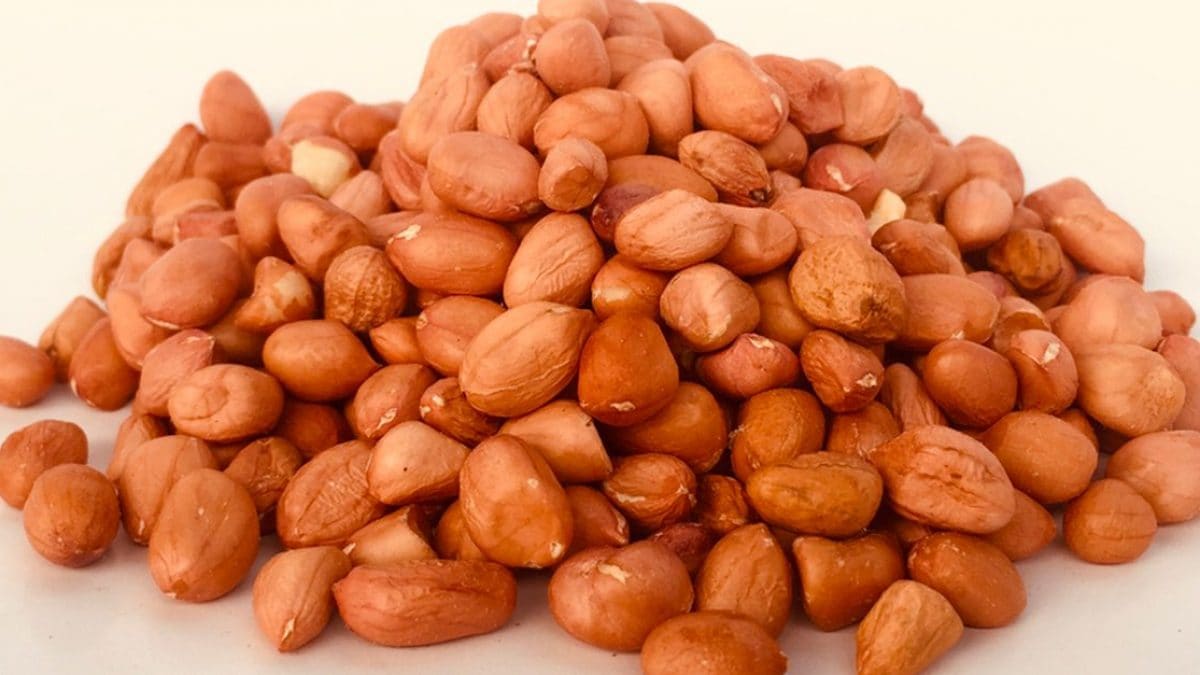
Peanuts, often overlooked, are a nutritionally rich food that can make a difference in our diet. From protein to fiber, from "good" fats to vitamins, these small seeds hold surprising potential for our well-being. Let's discover together why peanuts should have a permanent place in our diet.
Peanuts, Precious Legumes
Although many people don't know it, botanically speaking, peanuts belong to the Fabaceae family, like beans, peas, and lentils: they are effectively legumes, which can also be grown at home, in pots.
High in plant-based protein, they contain monounsaturated and polyunsaturated fats, such as oleic acid, which help reduce "bad" cholesterol and protect the heart. The fiber in peanuts promotes intestinal regularity and helps maintain a sense of satiety.
Peanuts are a good source of vitamin E, a powerful antioxidant, and B vitamins, as well as minerals such as magnesium, phosphorus, and potassium. The antioxidants in peanuts help protect cells from damage caused by free radicals, slowing cellular aging.
This nutritional profile makes them particularly beneficial:
- Thanks to their content of "good" fats and fiber, peanuts help reduce the risk of cardiovascular disease.
- The protein and fiber in peanuts help you feel fuller, reducing hunger and aiding weight control.
- Some studies suggest that regular peanut consumption may help improve cognitive function and protect the brain from aging.
- The vitamin E in peanuts helps keep skin healthy and protect it from damage caused by UV rays.
How many peanuts can you eat a day? About twenty, equal to a 20-25 gram portion per day, to be added to oatmeal porridge for a nutritious and filling breakfast, or to a bowl of natural Greek yogurt, perhaps with some fresh fruit, for an energetic and tasty snack.

Contraindications
Peanuts, despite being a highly nutritious and versatile food, have some contraindications that are important to be aware of. Peanut allergy is one of the most common and can cause severe reactions, including anaphylactic shock. It's essential to avoid peanuts completely if you have an allergy.
Peanuts can be contaminated with aflatoxins, toxic substances produced by certain fungi. Excessive consumption of contaminated peanuts can damage the liver. Buy peanuts from reputable producers, preferably organic, to reduce the risk of aflatoxin contamination.
Are Salted Peanuts More Harmful?
Peanuts are generally high in calories, so excessive consumption can lead to weight gain. Consume peanuts in moderation, as part of a balanced diet. But how bad are the salted peanuts we occasionally eat as snacks? Salted peanuts, compared to natural ones, have some additional contraindications:
- Hypertension: The excess sodium in salt can increase blood pressure, making salted peanuts unsuitable for those with hypertension.
- Water retention: Sodium promotes water retention, so salted peanuts should be avoided by those with this problem.
- Cardiovascular disease: Excessive sodium consumption is associated with an increased risk of cardiovascular disease.
Why Do We Call Them "Peanuts"?
The name "peanut" is a bit misleading, because peanuts aren't actually nuts, but legumes. So why the name? There are several historical and cultural reasons behind this custom.
Peanuts are native to South America and were brought to Europe by the Spanish: the name "American" refers precisely to this geographical origin. Due to their shape and texture, peanuts are often associated with walnuts, hence the term "peanuts." Last but not least, the name "American peanuts" spread to the rest of the world thanks to the Americans, who consumed them extensively and introduced them to soldiers during the Second World War.
How to Use Peanuts
The most famous peanut product is undoubtedly peanut butter: perfect for breakfast spread on bread or as an ingredient in sweet and savory recipes. Peanuts are excellent as a snack, topping salads and canapés, but they can also be used in desserts, a common occurrence in American cuisine: peanut butter is a perfect ingredient for making pie crusts and cheesecakes, or as a filling for cakes and muffins. Chopped peanuts can be used to fill spring rolls, tacos, and sandwiches, or as a garnish for salads, soups, and meat dishes, perhaps toasted for a crunchy touch and intense flavor.
;Resize,width=767;)
