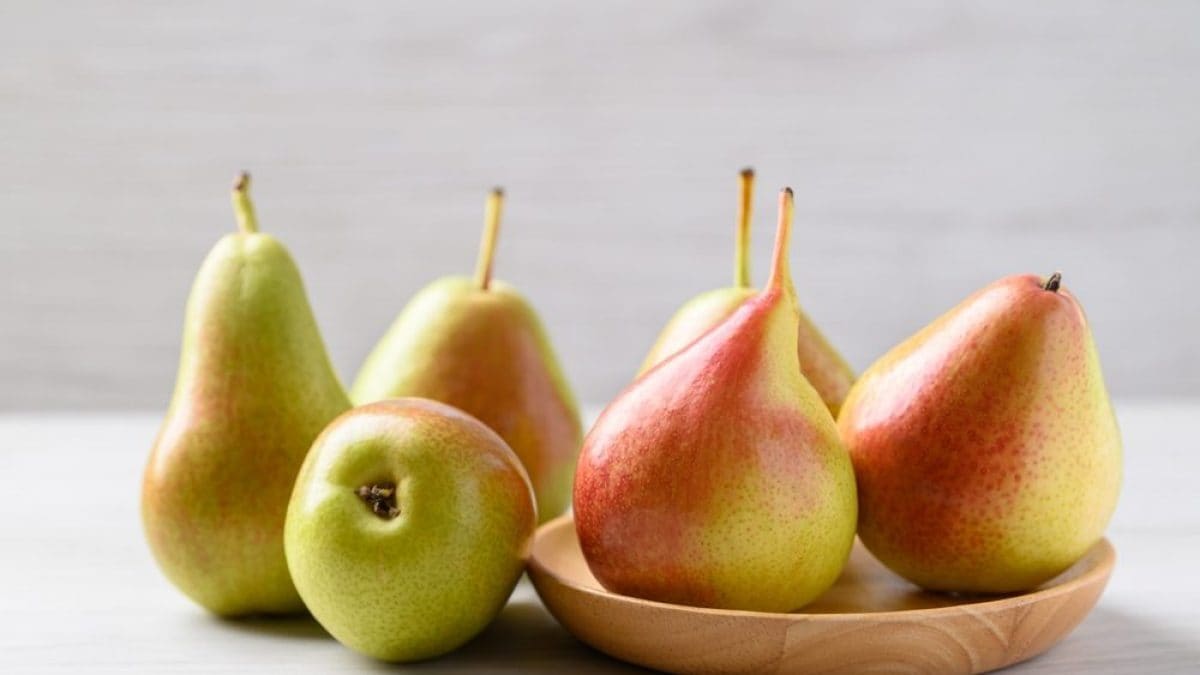
Exquisitely sweet and with a juicy, melting pulp, pears are among the oldest and most beloved fruits. Excellent on their own, eaten for breakfast, as a snack, or after a meal, they are also used in cooking, both in sweet and savory recipes, revealing their best qualities. Always present on our tables, pears are the quintessential autumn fruit, but thanks to preservation and cultivation, we can enjoy them practically year-round: there are so many varieties available, enough to cover almost the entire year, as well as the ideal recipes for trying them. Here are their benefits, the most common types, and how to best use them in the kitchen.
Pears' Benefits
Rather than a fruit, pears are a false fruit (the true fruit is the core): they are, in fact, the fruit of a tree belonging to the Pyrus genus, which boasts one of the oldest origins of all fruit trees. The most widespread species is Pyrus communis, or European, which ripens from the end of July onwards, but oriental and wild varieties also exist. Thus, there are thousands of known varieties, far fewer actually cultivated: the U.S., however, is one of the world's largest producers.
Juicy, melting, and sugary, despite their innate natural sweetness, they are above all rich in water, plant fiber, and fructose. Low in calories, they are also recommended for those on a diet and diabetics, as well as for athletes and the elderly due to their high vitamin and mineral content. Available practically year-round —the numerous varieties differ, depending on the ripening period, between summer and autumn-winter —thanks to their excellent nutritional profile, they also prove to be valuable allies for well-being and beauty.
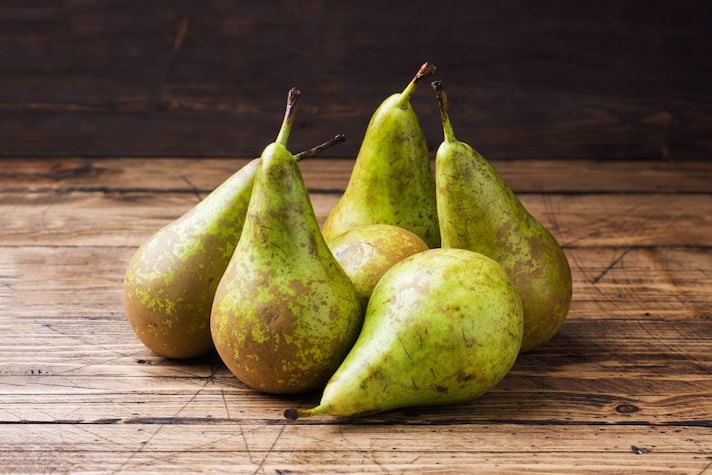
Composed primarily of water (87%), simple sugars, and plant fiber, they contain very minimal amounts of protein and fat. What's surprising, however, is their high content of vitamins, especially vitamin C, A, B vitamins, and folic acid, and minerals, especially potassium, calcium, phosphorus, and magnesium. They're very low in calories, just 43 per 100 grams of edible product, making them safe to consume even by those on a low-calorie diet, diabetics, or those who need to monitor their blood sugar levels. The presence of soluble and insoluble fiber regulates intestinal transit and allows you to feel full relatively quickly. Thanks to their polyphenol content, they also boast numerous antioxidant properties.
Here are the detailed benefits that regular consumption of pears can provide.
- Bowel regularity. The fiber in pears promotes bowel regularity, preventing constipation and promoting healthy bacterial flora.
- Weight control. Pears have a low glycemic index, so they are absorbed slowly by the body, helping maintain stable blood sugar levels and promoting a feeling of satiety.
- Cardiovascular health. The potassium in pears helps regulate blood pressure, reducing the risk of cardiovascular disease.
- Antioxidants. Pears are rich in antioxidants, substances that protect cells from damage caused by free radicals, slowing cellular aging and preventing chronic diseases.
- Hydration. Pears' high water content makes them an excellent ally for staying hydrated, especially during the warmer months.
Pears' Contraindications
Despite their numerous benefits, excessive pear consumption could cause some problems, especially in highly sensitive individuals. Those who suffer from abdominal bloating, for example, should limit their consumption: fiber, if consumed in large quantities, can cause bloating and flatulence. Although rare, allergic reactions to pear consumption can occur.
How to Use Pears in Cooking
Pears are usually purchased when they are not fully ripe and are stored at room temperature until, by testing their firmness and aroma, they are ready for consumption. Sweet and juicy, they are among the most beloved fruits: they are enjoyed plain, for breakfast, as a snack, or at the end of a meal, but it is in the kitchen that they reveal their true personality, transforming sweet and savory dishes into something absolutely unique and exquisite.
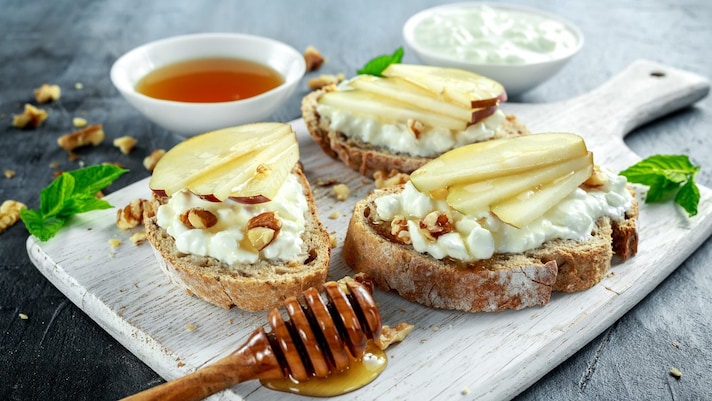
Due to the characteristics of its flesh, which is not very firm and melts easily, it turns black very quickly: for this reason, it must be used very quickly or sprinkled with lemon juice to avoid this problem. It is used in the preparation of ready-to-eat seasonal desserts, such as tarts, flans, pies, cakes, clafoutis, and tartlets; it is used to make delicate desserts, chârlottes, puddings, and ice creams.
One of the most successful combinations in pastry making? Pairing it with ricotta and chocolate chips makes a soft and fragrant cake, ideal for any occasion. The more fragrant, firm, and consistent varieties, such as Decana, lend themselves to being transformed into jams, jellies, and chutneys.

In addition to being used in desserts, crisp pears with a slightly tart aftertaste are also ideal for savory pairings: try them thinly sliced and mixed with variegated radicchio, julienned carrots, orange juice, and flaked almonds—you'll taste their deliciousness. They can also be paired with aged cheeses and richly flavored cured meats, as their innate sweetness smoothes out the saltiness. They also pair well with creamy, lightly cooked risottos, like with gorgonzola and walnuts, or with rich, sumptuous roasts.
;Resize,width=767;)
