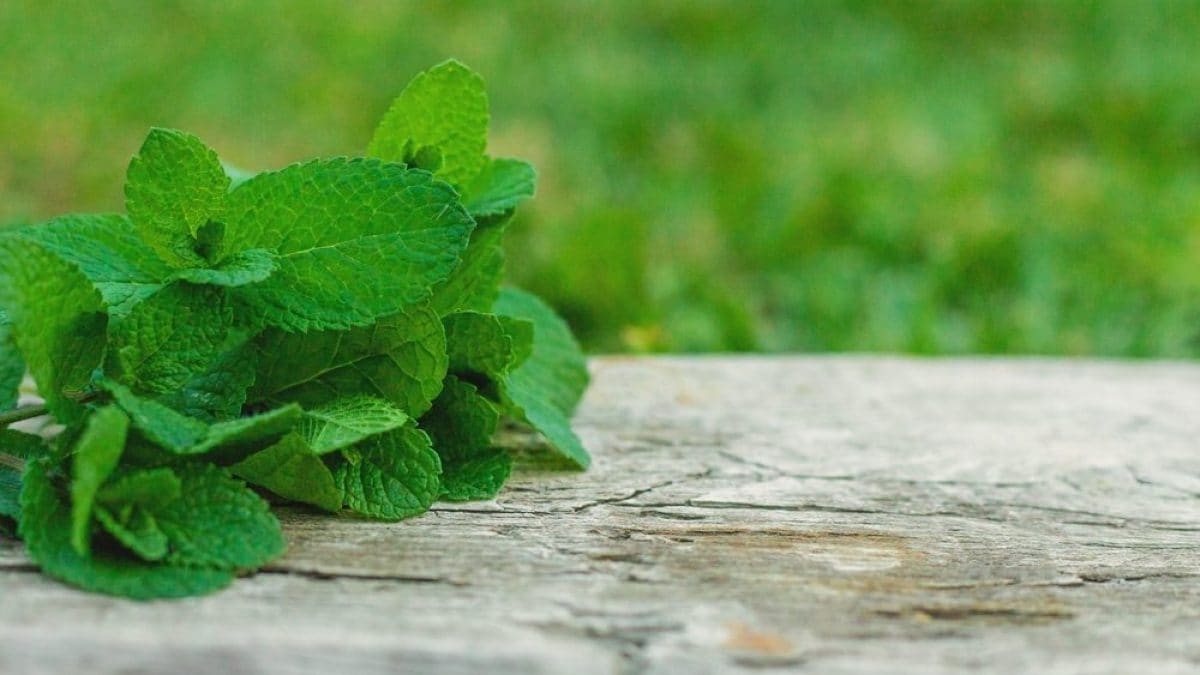
Mint, in all its infinite varieties (around 600 known), is one of nature's most precious aromatic plants. Peppermint, in particular, is a type of mint with a very ancient history: used as a food, an infusion, or as an essential oil, it is a true panacea for the human body, with benefits ranging from digestive health to migraine relief. Belonging to the Lamiaceae family, peppermint is a natural hybrid between Mentha aquatica and Mentha spicata (spearmint) and is distinguished by its intoxicating scent and slightly spicy flavor.
Rich in vitamins and minerals, with strong healing and soothing properties, peppermint is widely used also because it is easy to grow at home, being a rather hardy plant. Widely used in cosmetics for skin and hair care, this precious plant is also widely used in the culinary world, being a very versatile food despite its intense flavor. If you thought its fragrant green leaves were only good for refreshing your mojito, here's a guide to fully understand the power of peppermint, understand how to use it, and discover why it should never be missing from your kitchen.
Peppermint's Properties and Benefits
Composed primarily of water (about 86%), mint contains a significant amount of mineral salts, particularly iron, phosphorus, calcium, potassium, and sodium. Despite its moderate calorie count (about 49 kcal per 100 grams of fresh product), mint is a good source of vitamins, especially vitamin C and vitamin A. It contains soluble sugars (5.3 g) and fiber, while there are no traces of cholesterol, alcohol, or lipids. The active ingredient that characterizes mint is menthol, a substance that allows this highly fragrant plant not only to provide numerous benefits to our body but also to be highly versatile, both in and out of the kitchen, whether consumed as a food or as an essential oil or supplement. Here's what mint is good for.

1. Helps Resolve Gastrointestinal Problems
Peppermint is best known for its soothing properties for a variety of gastrointestinal problems. The oil in peppermint relaxes the muscles lining the gastrointestinal tract, which in turn helps relieve, fight, and prevent spasms, helping to resolve all problems related to cramps and abdominal pain. Peppermint also promotes the movement of intestinal gas, making flatulence less bothersome or preventing its formation; it also improves bile flow, which helps the body digest fats, thus preventing potential indigestion. It is also a valuable aid in combating nausea caused by transportation or seasickness. The best way to take advantage of peppermint's effect on the gastrointestinal system is as an infusion, preparing a hot herbal tea to drink immediately after meals.
2. Helps With Coughs and Sore Throats
Who hasn't eaten a peppermint candy to soothe a sore throat? It's no coincidence that so many cough and sore throat remedies are peppermint-based: this plant has disinfectant properties thanks to menthol, which also boasts decongestant and expectorant effects (that is, it promotes the elimination of mucus) and, furthermore, acts as a mild bronchodilator. In addition to being taken as a candy or medicine, in these cases, peppermint is very useful as an essential oil: simply inhale it added to boiling water and the vapors will help relieve the symptoms of colds, sinusitis, and nasal congestion.
3. Analgesic and Anti-Inflammatory Properties
Peppermint essential oil has excellent analgesic and anti-inflammatory properties thanks to a series of its specific components, including flavonoids and rosmarinic acid, both of which can inhibit the production of pro-inflammatory cytokines. It also has a vasodilatory effect, which is why peppermint essential oil is one of the best natural remedies for reducing the intensity and duration of migraines.
4. Antimicrobial Properties
The presence of menthol, menthone, and eucalyptol make peppermint an excellent ally in fighting various pathogenic microorganisms. In particular, it is very useful for fighting viruses such as herpes simplex and other oral bacteria, and for its antifungal effect, particularly effective against fungi that attack the genitals and those that cause skin, hair, and nail infections. For this very reason, many intimate and oral hygiene products (toothpastes and mouthwashes, for example) often contain peppermint extracts.
5. Antioxidant Properties
Peppermint is rich in antioxidant compounds that can counteract cellular oxidative stress. Specifically, it contains polyphenols and flavonoids, which are essential for counteracting and neutralizing free radicals; vitamins C and A, which strengthen the body's antioxidant defenses; and rosmarinic acid, which has powerful antioxidant activity. All of this makes peppermint useful in preventing cellular aging, thus improving skin health and reducing the risk of developing cardiovascular, neurodegenerative, and cancer diseases.
6. Tonic For the Mind
Mint is a fantastic natural remedy for staying alert and alert. Several scientific studies demonstrate that its scent has the ability to stimulate the nervous system, improving concentration and boosting memory—both long-term and that used for immediate tasks—and promoting mental clarity and lucidity. To fully enjoy the tonic and stimulating properties of mint, try drinking it as a herbal tea, taken first thing in the morning or in the early afternoon (not in the evening, as the stimulating effect could keep you from sleeping).
7. Cosmetic Use
Peppermint is widely used in cosmetics. It is particularly used in gels and emulsions to combat skin blemishes such as cellulite, spider veins, and heavy legs. The menthol content provides immediate relief and freshness, while also improving skin microcirculation. Peppermint creams and compounds are widely used to soothe redness or mild sunburn. Peppermint is also often found in hair care products, and its essential oil is excellent for hair care (always diluted in shampoo, water, or a carrier oil), especially for stimulating growth, regulating sebum, combating dandruff, and soothing irritation.
Peppermint Contraindications
The first contraindication associated with peppermint concerns its powerful effect on the gastrointestinal tract: if you suffer from chronic heartburn, gastroesophageal reflux, or nausea, peppermint may worsen symptoms rather than alleviate them. Peppermint (especially menthol) stimulates bile secretion and flow, which can be harmful if you have gallstones, potentially triggering painful colic. If you are undergoing any particular medication, it is essential to consult your doctor before taking peppermint, especially as an oil but also as a food, as it may interfere with the effectiveness of some medications. The essential oil, being highly concentrated, should be avoided during pregnancy, if you have favism (due to the lack of the G6PD enzyme, it could trigger a hemolytic crisis), and if you have epilepsy/convulsive disorders (at high concentrations, it can induce spasms).
How to Use Peppermint in The Kitchen
Peppermint has very distinctive organoleptic characteristics, characterized by an intense aroma and a remarkable freshness. This might make you think it's a limitation from a gastronomic standpoint, but it's quite the opposite: mint is extremely versatile and, both fresh and dried, can enhance virtually any sweet or savory recipe, not to mention cocktails. Need some ideas? In the savory world, you can use peppermint to flavor salads, sauces, and soups, or to enhance dips used to season meat or fish dishes. You can also use it as an ingredient in its own right, for example, in mint pesto, mint risotto, or even a mint frittata.

In the world of desserts, the plant reaches its peak expression. You can use it for practically everything, from refreshing ice cream to delicious truffles, from a creamy mousse to a soft and fragrant cake ; the combination of mint and chocolate is particularly delicious, try it in a delicious cheesecake or some delicious muffins. You can also use peppermint to create tasty drinks like mint latte, tempting like mint liqueur, or beneficial like mint infusion or mint tea, a traditional drink in Arab countries. And who can forget the mojito, the king of cocktails: whether you make it in the classic or non-alcoholic version, fresh mint reigns supreme.
;Resize,width=767;)
