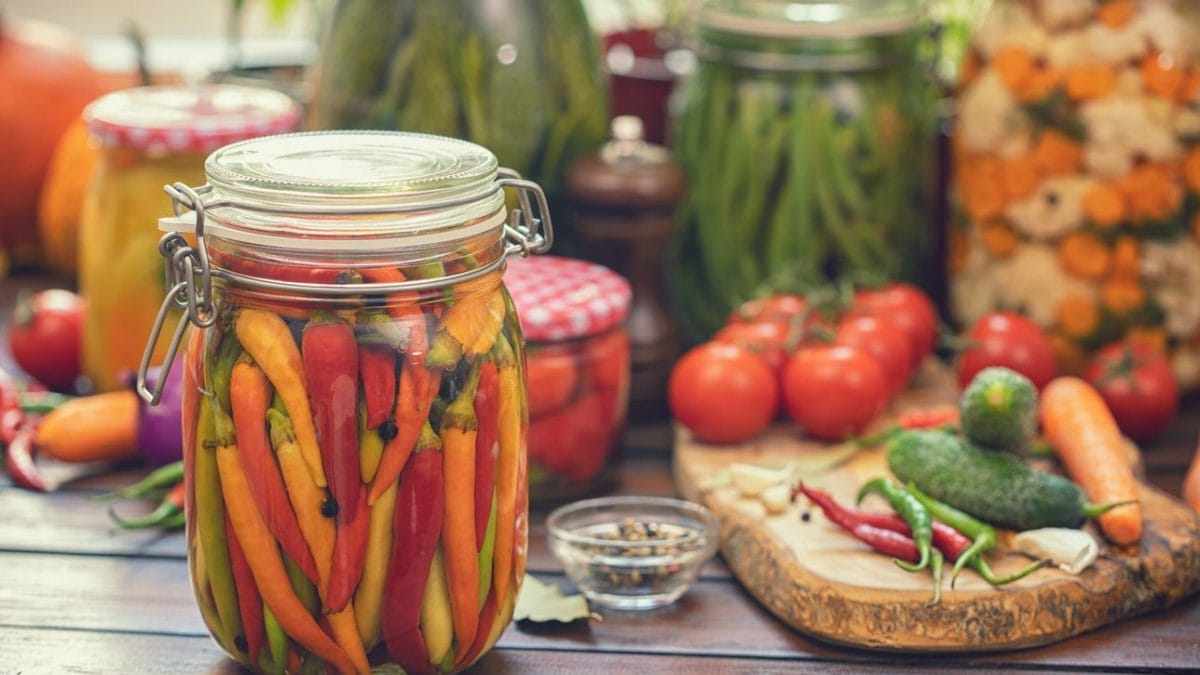
Pickled preserves are a classic home cooking staple, a bit like jams and marmalades. In the past, they were the only way to preserve certain foods for a long time: now, while maintaining the same function, they have transformed into real treats, to be brought to the table at a brunch, as an appetizer, a side dish, or as a garnish for pizzas and focaccias. Evergreens include vegetables such as eggplant, zucchini, peppers, and mushrooms, available in all their goodness even out of season. They can also be fish (think anchovies) or meat: the technique is to keep the various foods intact by exploiting the natural preservative properties of olive oil. The process is not complicated, but you must be careful of possible bacterial contamination, which can lead to even serious food poisoning, compromising a preparation synonymous with authenticity.
Step-By-Step Guide for Pickled Preserves
The steps to making delicious, safe pickles aren't many, nor are they difficult: the key is to follow a few important rules and take your time. Let's see how in this essential guide.
1. Container Choice
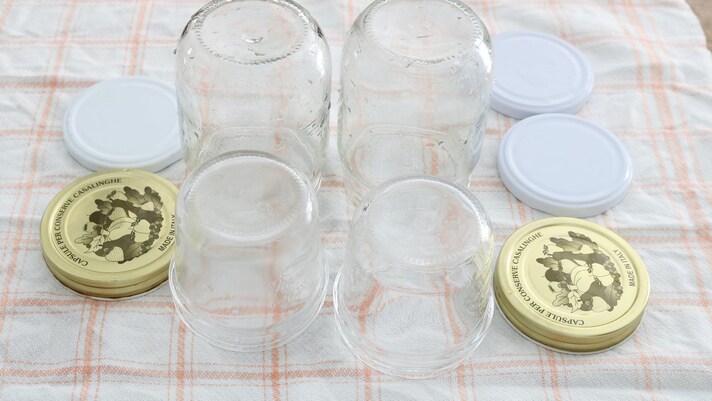
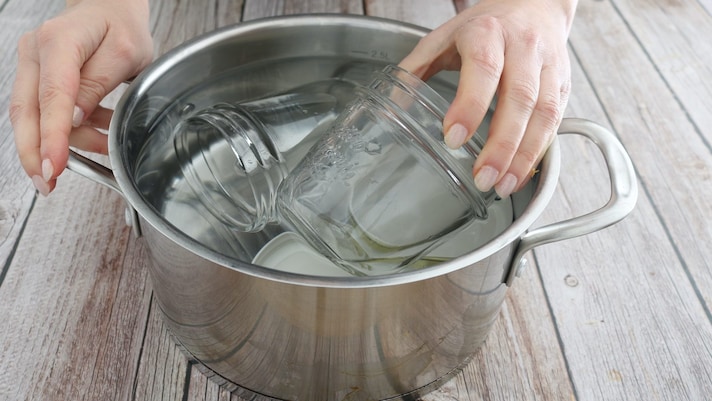
The most suitable containers are glass, since it is a resistant material, does not absorb odors and, finally, thanks to its transparency, it can reveal internal anomalies without necessarily opening it. The jars must be intact, without cracks or chips and be able to be hermetically closed, therefore equipped with a cap that seals properly. Worn gaskets must be replaced. Before use, the containers must be cleaned, to start from the most sterile environment possible: as underlined by the FDA, only an industrial process can be defined as "sterilization", while in a domestic setting it is called "sanitization": you can do it by boiling in a pan, in the oven, in the microwave and even in the dishwasher. Furthermore, also calculate the size: generally it is better to have medium-small jars (250 grams is ideal), because once opened, the pickled products must be kept in the refrigerator and consumed within a few days.
2. General Cleaning
During all stages of canning, hygiene of tools, kitchen, and even personal hygiene are essential, as contamination can begin right here. In addition to the jars, thoroughly clean the work surfaces and utensils you'll be using (cutting boards, plates, knives) by simply washing them with the appropriate detergent, rinsing thoroughly to remove any residue. Wash your hands at the beginning and when necessary (such as if they look very dirty, after using the bathroom, coughing or sneezing, petting your dog or cat, etc.). Remember that sponges and dishcloths also need to be clean and should be changed/washed regularly.
3. Ingredients Selection

Among the various foods that can be pickled in oil, vegetables and mushrooms are the main protagonists of these preparations at home. For a good (and guaranteed) result, the condition of the raw materials is also crucial: choose only fresh produce that has no damaged parts, wash them carefully to remove any soil residue – you can also add baking soda for a deeper clean, but not to eliminate bacteria – and remove any inedible elements. Furthermore, oil and vinegar also play a very important role: for the former, opt for a quality extra virgin olive oil, which is mainly responsible for the good flavor of the preserve, while for the latter, opt for a white wine vinegar with an acidity of at least 5.5% (see below for the reasons why).
4. Preparing the Vegetables
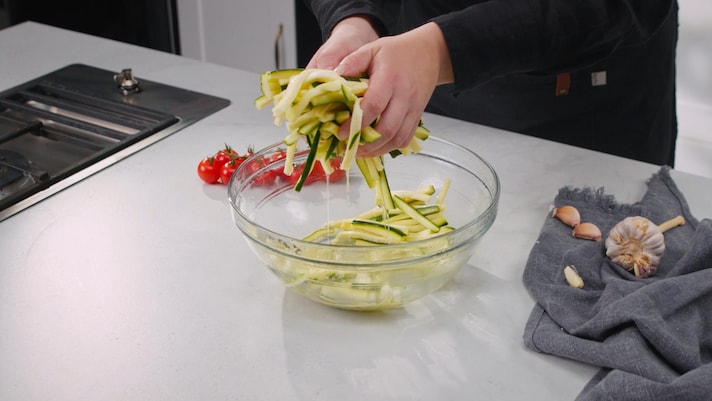
When processing vegetables, we must eliminate the risk of bacterial growth. How? After the vegetables have been cut as needed, they should be boiled for a few minutes in a 50:50 solution of water and vinegar: the acidification, in fact, inhibits the proliferation of microorganisms. The vegetables should be drained while still firm (they must not soften) and allowed to cool to remove excess water, since humidity, on the contrary, encourages the growth of mold. The same blanching treatment should also be applied to any flavorings, such as aromatic herbs or spices: preserves with a pH lower than 4.5 are considered safe.
5. Potting Process
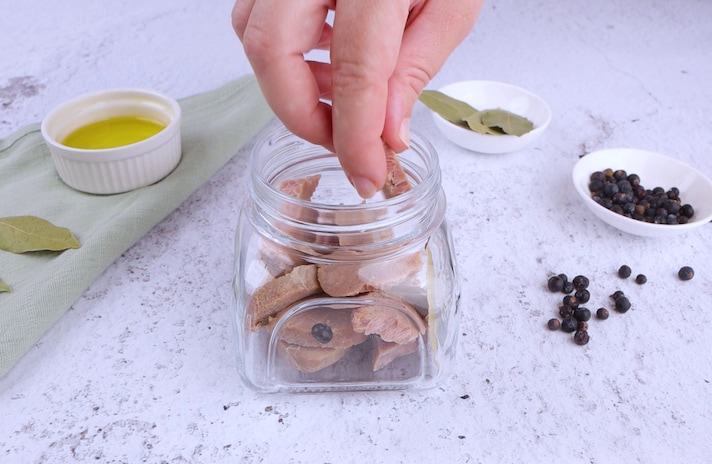
This is a step that shouldn't be underestimated. The containers must be filled using all the necessary space, to avoid the formation of air bubbles: proceed by inserting the vegetables, alternating them with garlic, spices, and aromatic herbs to taste, compacting well but without crushing, then covering them completely with oil (overflowing by one centimeter). The jar should not be filled to the brim at the top, but must leave what is called "headspace," or at least 2 cm from the neck of the container, so that the liquid does not leak during the pasteurization phase. What does this mean? After hermetically sealing the jars, place them next to each other in a large pot—preferably wrapped in a tea towel to prevent them from touching—and fill with water, which should extend at least 5 cm above the lid. Bring to a boil for 20 minutes, although the time depends on the size of the container. Remember that the boiling must be constant: at the end you can leave it to cool in water or by wrapping it in a wool blanket for at least 12-24 hours.
6. Conservation
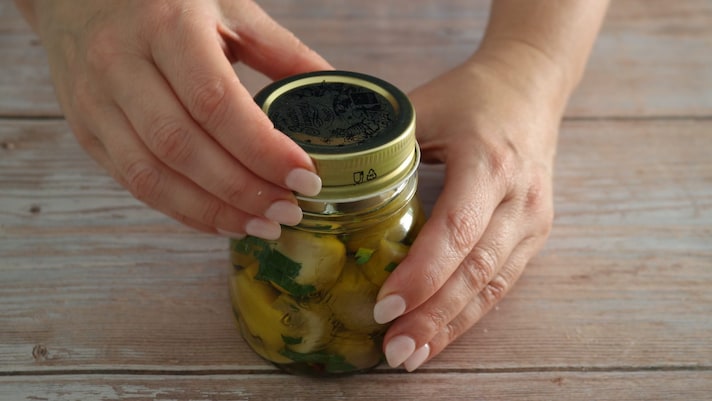
At this point, check that the vacuum has been created. Press your finger into the center of the lid (which you'll notice is slightly curved inward), applying light pressure: if you don't hear a "click," the process has been successful. Otherwise, you can repeat the process, replacing the lid, or consume everything within a week, keeping it refrigerated. To preserve the pickles for a long time, store them in a pantry away from heat and light (oil is heat- and light-sensitive), in a classic, cool, dry place in the house. Don't forget to label the product with the type and date of preparation.
How To Know When It's Best To Not Consume Pickled Vegetables
The combination of pasteurization and acidification is essential for keeping bacterial spores at bay, such as those of Clostridium botulinum, better known as botulinum toxin, which grows in foods in the absence of oxygen: pickles are one of its habitats. Although cases are rare, great caution is needed as it can be potentially fatal if ingested. Botulinum toxins are odorless and tasteless, making them difficult to detect: for this reason, it is necessary to be alert for other signs of alteration, which suggest not consuming the product. Before even opening the jar, check that the vacuum is still sealed: if you hear a "click clack" or see the cap bulging, it means there has been a proliferation of microorganisms that have released gas. If this first test is passed, however, look at the color and smell: if you have even the slightest doubt about this, don't even try it.
;Resize,width=767;)
