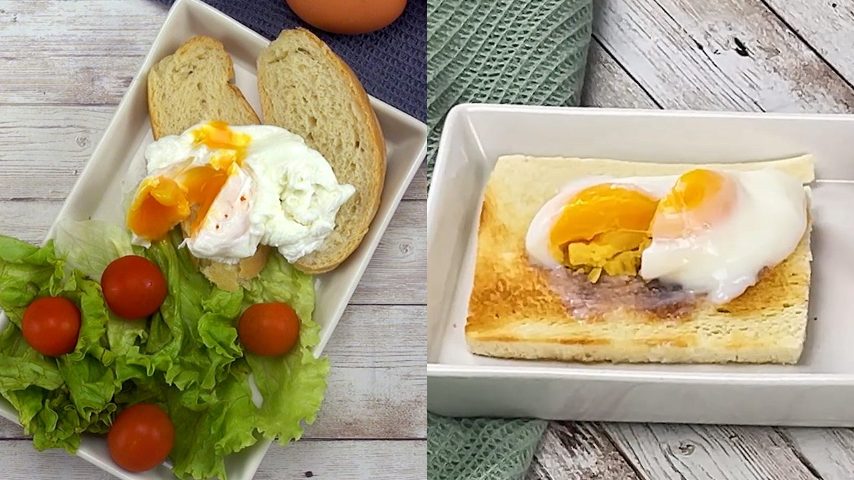
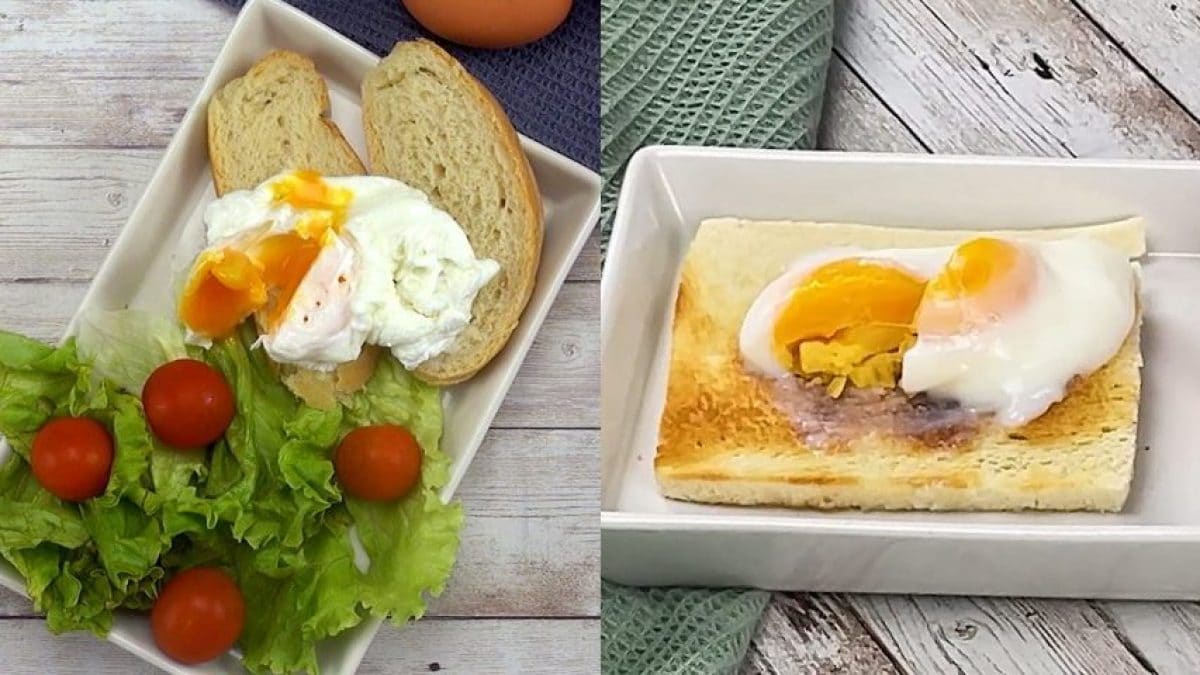
Poached eggs are a creative way to enjoy eggs for breakfast, brunch, or a light lunch. Using just a few ingredients, you can have perfectly cooked eggs in minutes, with firm whites and tender yolks ready to complement toast, salad, or any dish you like.
This vinegar‑water method ensures consistency and speed, making it a practical choice for busy mornings or quick meals without sacrificing quality.
What Are Poached Eggs?
Poached eggs are eggs cooked out of their shell in simmering water, yielding tender whites wrapped around a creamy, runny yolk. This technique dates back centuries as a delicate way to prepare eggs without frying.
The vinegar‑water method helps the egg whites coagulate more quickly, so they set neatly around the yolk rather than dispersing in the water. That means a cleaner, prettier, more consistent result, even if you’re new to poaching.
Pro Tips for Perfect Poached Eggs Every Time
- Use fresh eggs, as the fresher the egg, the firmer its white, which helps it hold together better.
- Crack eggs into a small cup or ramekin first, rather than cracking directly into the water, which gives you more control and reduces the chance of breaking the yolk.
- Add only a modest splash of vinegar, just enough to help the white set, without giving the egg a vinegary taste.
- Once water boils, reduce the heat immediately so the water is gently simmering, not boiling vigorously. This is because violent bubbles will break the egg apart.
- If poaching multiple eggs, give each egg space and don’t crowd them, or they may stick together.
Frequently Asked Questions
What kind of vinegar should I use?
Plain distilled white vinegar or any neutral‑tasting vinegar works well. A splash is enough to help the egg whites coagulate without leaving a noticeable vinegar flavor.
Do I really need to use vinegar?
Technically, no, poaching eggs without vinegar is possible. However, vinegar helps the egg whites set more quickly and stay together, which improves your chances of getting a neat, compact poached egg rather than a wispy mess.
Can I poach more than one egg at once?
Yes. But for the best results, add eggs one at a time and make sure they don’t touch while cooking. Overcrowding may make them stick together or cook unevenly.
What if my eggs fall apart or the whites get wispy?
Usually, that’s due to water that’s boiling too hard or eggs that aren’t fresh. Ensure the water is only at a gentle simmer before adding the eggs. You can also consider using a vortex, that is, stirring the water gently, if you’re only poaching one egg.
How to Store Poached Eggs
To store leftover poached eggs, place them in a container with cold water and refrigerate for up to 2 days. Make sure the eggs are fully submerged, and the container is sealed to keep them fresh. When ready to eat, gently reheat the eggs in hot water for a short time to warm them without overcooking, then drain well before serving.
Ingredients
How to Make Simple Vinegar Poached Eggs

Add vinegar into a pan, add 3 eggs, and add boiling water. Let it cook for 5 minutes.
Add vinegar into a pan, add 3 eggs, and add boiling water. Let it cook for 5 minutes.

Use a slotted spoon to lift the eggs out of the water and place them on toasted bread with a side salad.
Use a slotted spoon to lift the eggs out of the water and place them on toasted bread with a side salad.
;Resize,width=767;)
