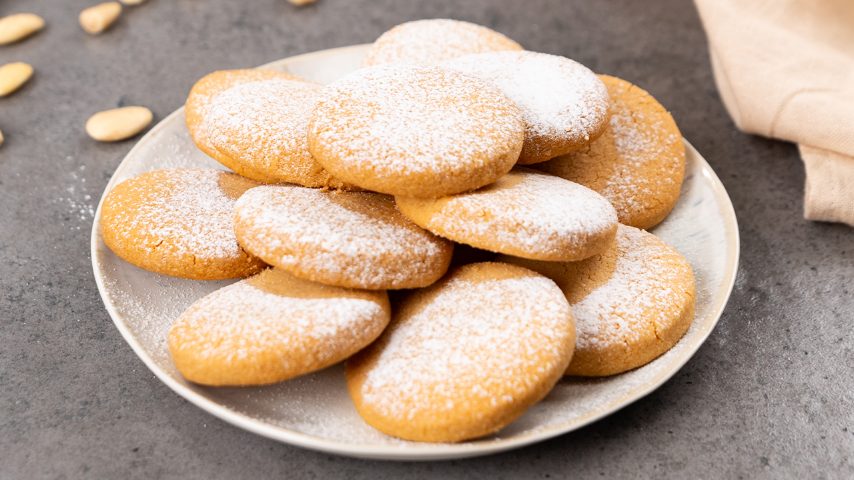
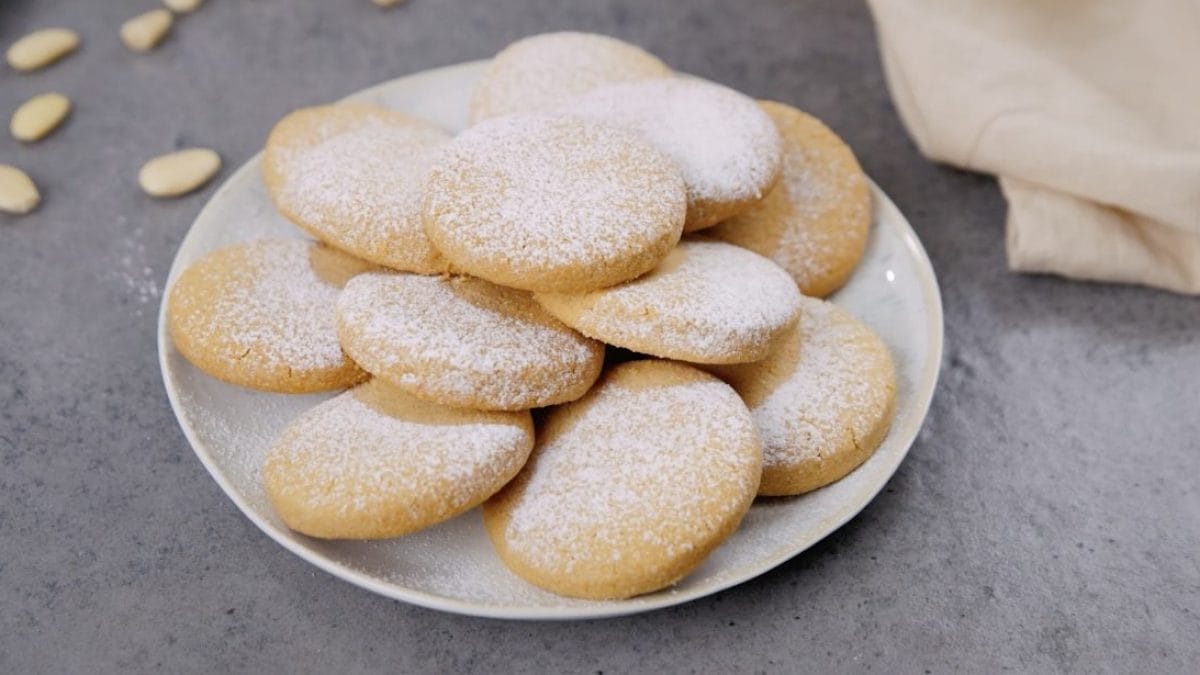
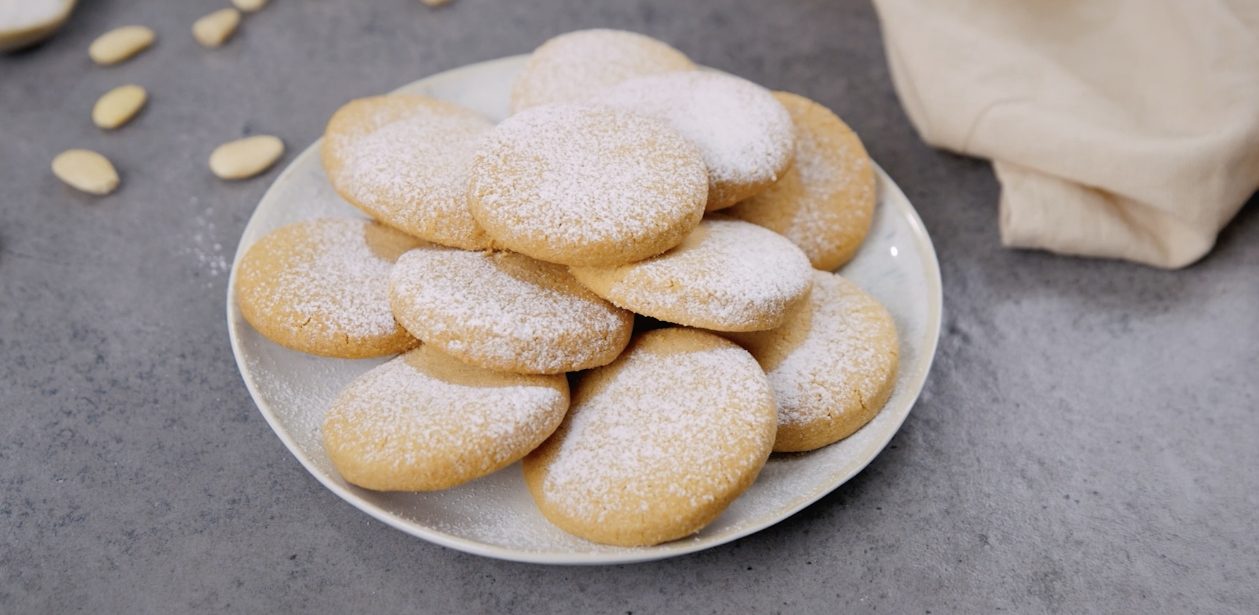
Polvorones have a way of charming you before you even take a bite. These crumbly Spanish biscuits are famous for their melt-in-the-mouth texture, a texture so tender that they practically dissolve the moment they meet your tongue. They are an irresistible treat for holiday platters and coffee moments. Polvorones bring together simple ingredients, old-world tradition, and a touch of artistry.
What are Polvorones?
Polvorones are traditional Spanish shortbread biscuits, often associated with Christmas. Their name comes from the Spanish word polvo, meaning “dust” or “powder,” which perfectly describes their texture. Traditionally made with almonds, flour, butter, sugar, and a touch of cinnamon, they have a long history in Andalusia and are a staple in Spanish-speaking households during celebrations.
Polvorones were originally enjoyed by monks, who prized their long shelf life and simple ingredients.
Pro Tips for the Best Polvorones
- Toast the flour mixture carefully. Toasting at 130°C (265°F) removes excess moisture and brings out a nutty aroma in the almonds and flour.
- Don’t overwork the dough because Polvorones are naturally crumbly. Knead just enough to bring it together without losing the light, sandy texture.
- Use soft, room-temperature butter to help the dough bind without overmixing. Cold butter will make shaping impossible.
- Dust generously with powdered sugar. It not only enhances sweetness but also gives that signature snowy appearance.
Frequently Asked Questions
Why Are My Polvorones Too Crumbly to Shape?
This is normal. Polvorones have a naturally sandy texture. Press the dough firmly together and use a rolling pin to shape it.
Can I Make Polvorones Without Rum?
Absolutely. Substitute rum with a teaspoon of vanilla extract or orange zest for a different aromatic twist.
How to Store Polvorones
Keep baked Polvorones in an airtight container at room temperature. They maintain their delicate texture for up to two weeks and continue to develop a richer flavor as they rest.
Ingredients
How to Make Polvorones
;Resize,width=712;)
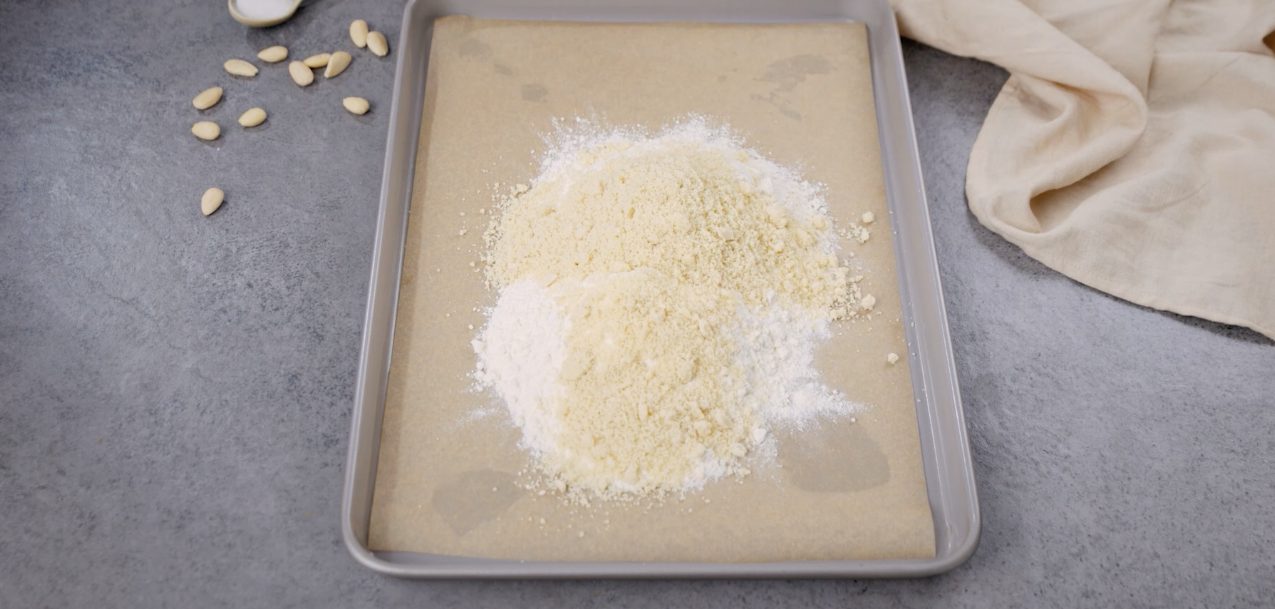
Grind the almonds in a food processor and mix them with sifted flour. Spread the mixture evenly on a parchment-lined baking tray. Bake at 130°C (265°F) for 30-35 minutes, stirring occasionally. The mixture should become slightly dry and lightly golden. Let it cool completely for at least 1 hour.
Grind the almonds in a food processor and mix them with sifted flour. Spread the mixture evenly on a parchment-lined baking tray. Bake at 130°C (265°F) for 30-35 minutes, stirring occasionally. The mixture should become slightly dry and lightly golden. Let it cool completely for at least 1 hour.
;Resize,width=712;)
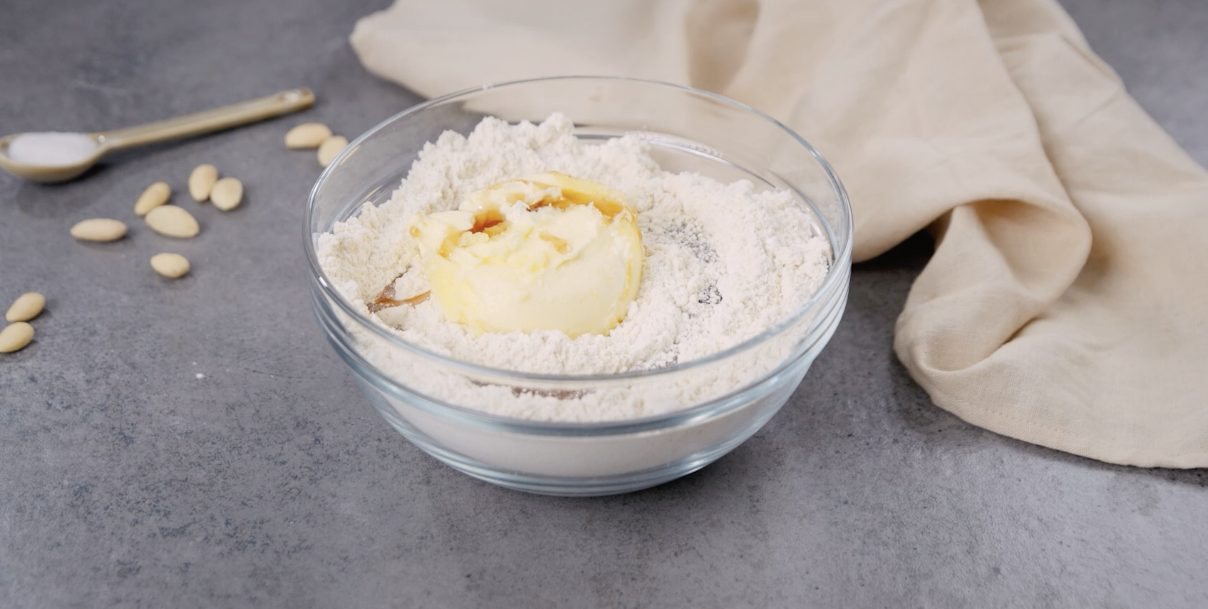
Add powdered sugar, cinnamon, and salt to the cooled mixture. Place soft butter in the center and knead by hand until roughly combined.
Add powdered sugar, cinnamon, and salt to the cooled mixture. Place soft butter in the center and knead by hand until roughly combined.
;Resize,width=712;)
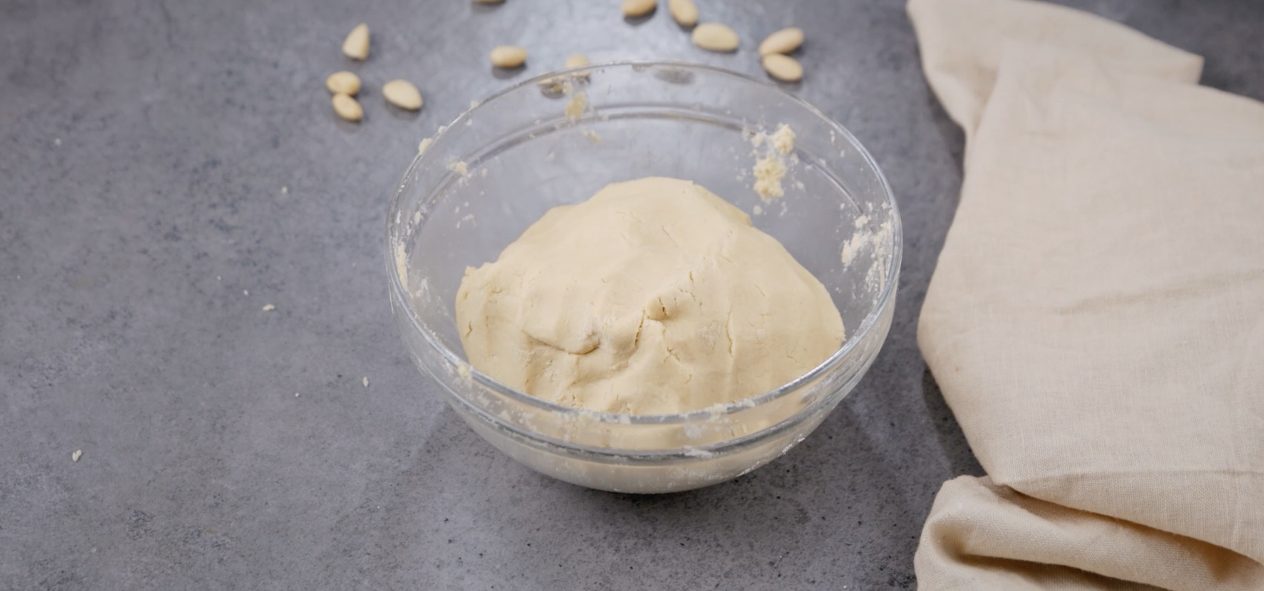
Add rum and continue kneading until the dough forms a compact ball. Wrap the dough in plastic wrap and let it rest at room temperature for 30 minutes.
Add rum and continue kneading until the dough forms a compact ball. Wrap the dough in plastic wrap and let it rest at room temperature for 30 minutes.
;Resize,width=712;)
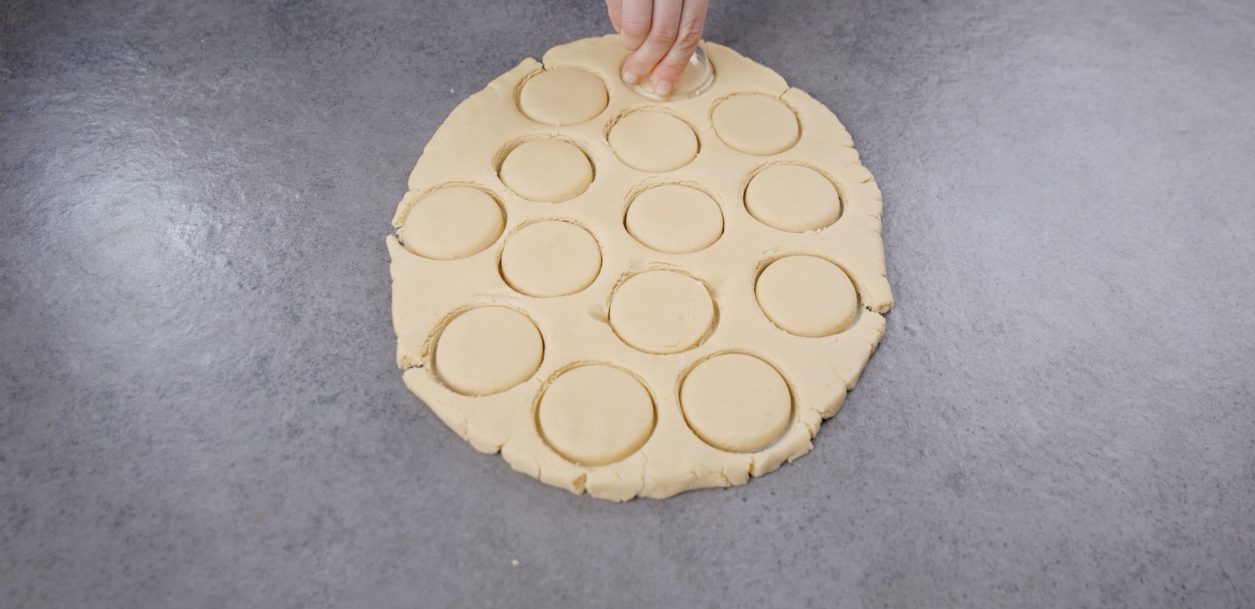
Cut out the rolled out dough into the desired shapes.
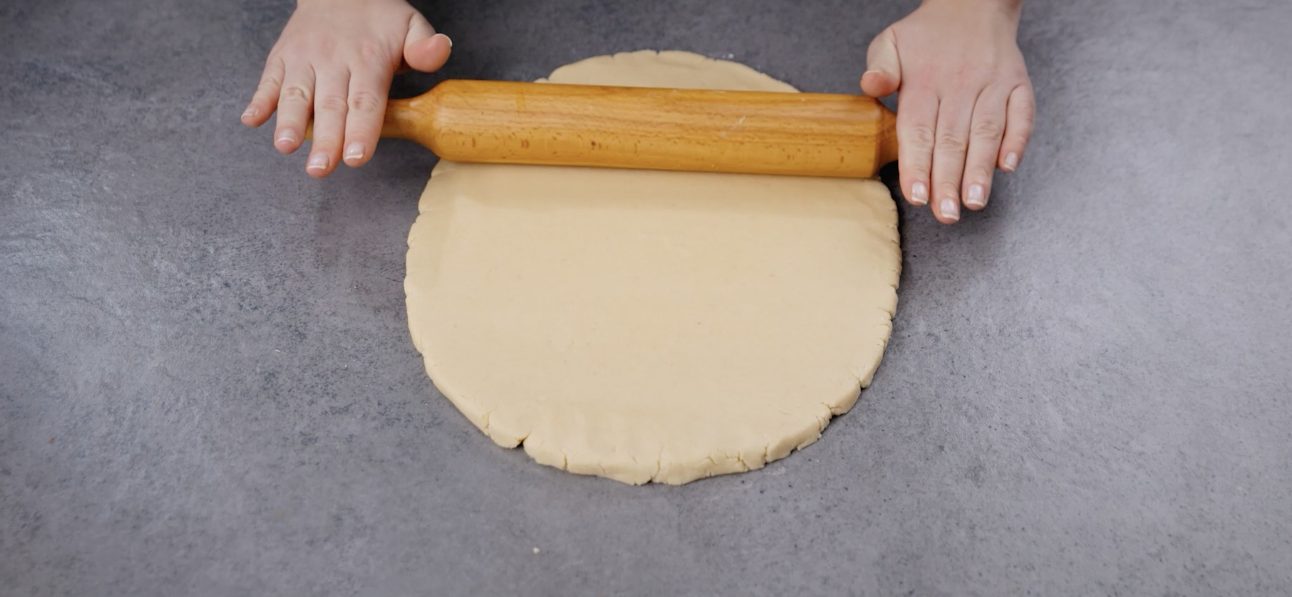
After resting, roll out the dough to about 1.5 cm (½ inch) thick.
;Resize,width=712;)
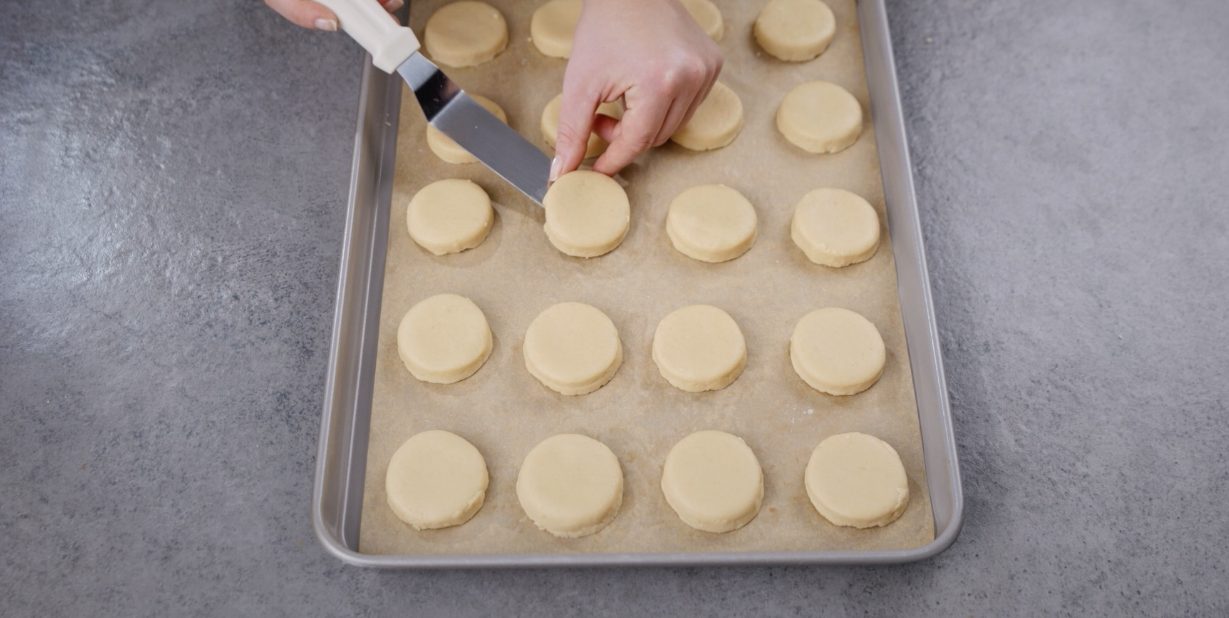
Arrange the dough on a parchment-lined baking tray.
Cut out the rolled out dough into the desired shapes.
;Resize,width=712;)
Bake at 160°C (320°F) for 20 minutes until lightly golden. Allow biscuits to cool completely, and dust generously with powdered sugar before serving.
Arrange the dough on a parchment-lined baking tray.
;Resize,width=712;)
Bake at 160°C (320°F) for 20 minutes until lightly golden. Allow biscuits to cool completely, and dust generously with powdered sugar before serving.
;Resize,width=767;)
