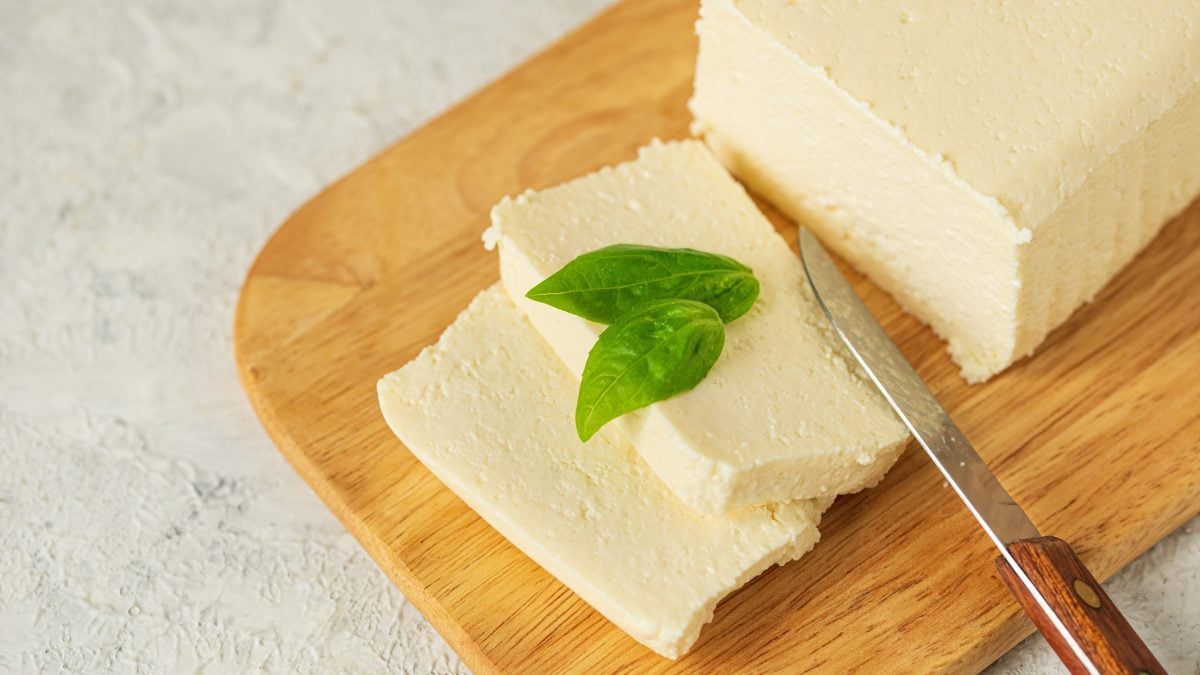
Plant-based cheeses have improved significantly in recent years: today, they're creamier, more flavorful, more suitable for cooking, and even melt beautifully. However, one recurring limitation remains: protein content. Many products on the market today are formulated primarily with vegetable oils, starches, and thickeners. This allows them to mimic the texture of cheese, but doesn't always guarantee a nutritional profile comparable to that of dairy products. This is precisely the focus of a new study from the University of Arkansas, focusing on a familiar ingredient, yet one little-known source of protein: rice.
A group of researchers at the Arkansas Agricultural Experiment Station has developed prototype plant-based cheese using proteins derived from different parts of the grain. The result is an experimental product with approximately 12% protein, an interesting figure for a category that often contains much less.
The Research Behind Rice Cheese
The original study was published in "Future Foods" by researchers Ruslan Mehadi Galib and Md Mahfuzur Rahman. The work analyzed proteins obtained from three rice fractions: brown rice, broken grains, and bran. The goal was not only to increase the amount of protein, but also to understand how each of these sources could contribute to the product's structure: in plant-based cheeses, proteins serve not only nutritional purposes, but also help retain water, bind fats, stabilize the emulsion, and improve texture.
The results showed significant differences: brown rice proteins provided a more compact structure. Specifically, those from broken grains favored a softer texture and better melting ability; those from bran helped reduce oil separation, a common problem in high-fat plant-based products.
To test rice's potential, researchers created experimental plant-based cheese formulations combining rice protein, coconut oil, and cornstarch. The prototypes achieved about 12% protein, higher than many vegan cheeses available in supermarkets.
This is significant data, but it should be interpreted with caution: it's not yet a product ready for sale. This is laboratory research, useful for understanding how rice proteins could be used in the food industry in the future.
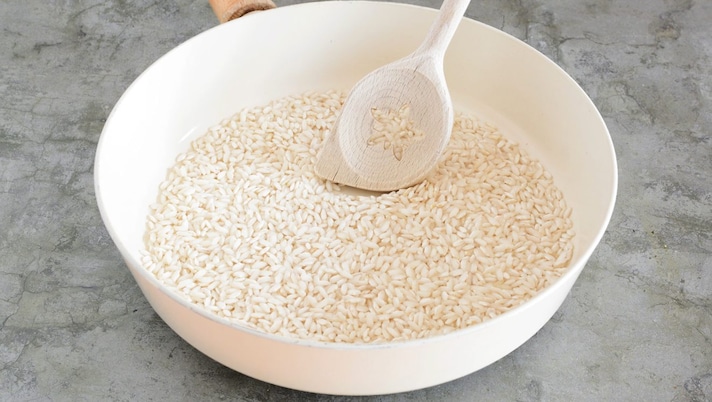
From Grain to Waste, a Resource to Be Valorized
The most interesting point, however, is that rice didn't just "enrich" the product: its proteins also modified its texture, stability, and cooking behavior. This makes the grain a potential basis for more complete plant-based alternatives, not only nutritionally but also technologically.
Another important aspect concerns the use of rice processing byproducts: bran and broken grains are often used for animal feed, brewing, or other lower-value purposes. Yet they contain proteins that could be recovered and transformed into food ingredients.
According to the Arkansas Agricultural Experiment Station, rice bran contains about 15% protein, while broken grains contain about 7%. Using them to produce new foods would mean valorizing already available materials, reducing waste and creating new opportunities for the agricultural supply chain.
;Resize,width=767;)
