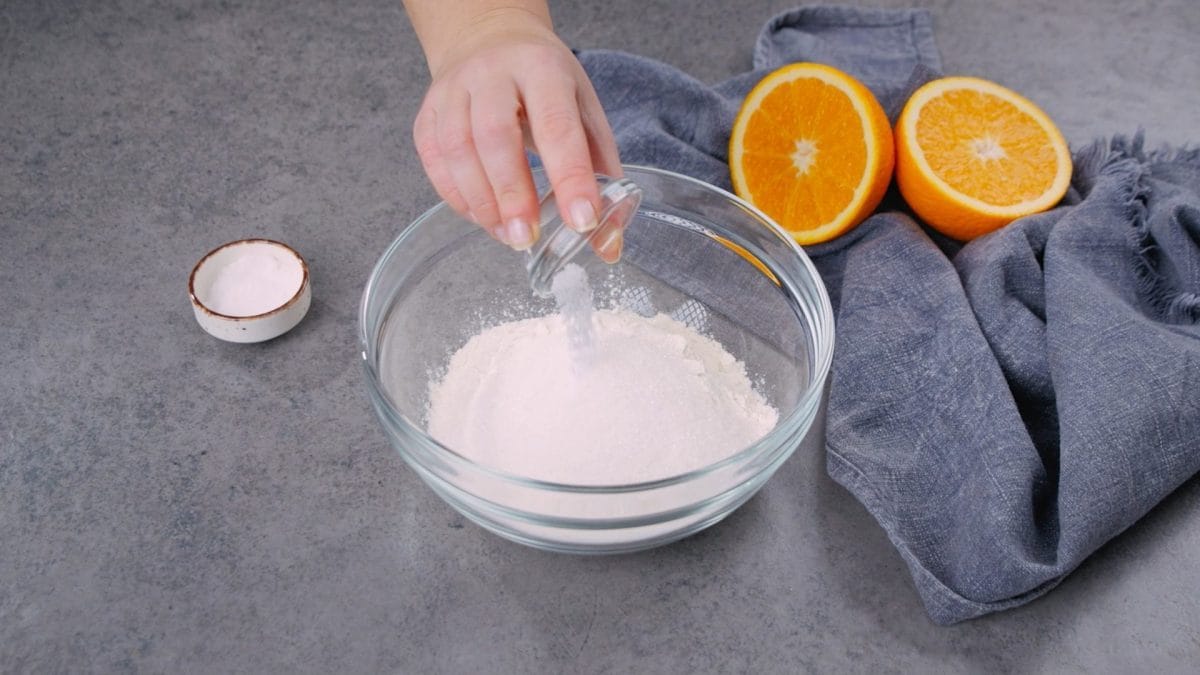
There's one element that unites practically all sweet recipes, and no, it's not sugar or butter: it's salt. How many times have you baked cookies, donuts, muffins, and loaf cakes at home and found "a pinch of salt" listed in the ingredients list? If you've ever wondered what the point of adding a hint of salt to a typically sweet dough is, today is the time to clarify this mystery: salt is a fundamental ingredient even in sweet recipes because it enhances flavors, activates the taste buds, and strengthens the leavening effect, provided you add it at the right time in your dough.
Why Do We Add Salt to Desserts?
Adding a pinch of salt to sweet recipes is now such a natural gesture that you no longer even consider the point of adding a salty flavor to a mixture of flour, eggs, sugar, milk, or butter. But if you stop to think about it, what's the point of adding salt to a dessert? It's actually a fundamental practice, because that small amount of salt is beneficial in so many ways.
It Amplifies The Flavors
The first very useful function of salt is its ability to amplify the flavors of other ingredients, even sweeter ones like chocolate or honey, and even fruit. Salt, in fact, is a "flavor enhancer," meaning it has the ability to impart flavor and taste to any type of food, and when in low concentrations, it amplifies the intensity of sweetness particularly well (which is why recipes always call for "a pinch" of salt, and no more).
It Wakes Your Taste Buds
Salt also has a very powerful effect on the taste buds: even just that pinch added to sweet recipes can wake them up, making them more receptive and able to better appreciate all the different nuances of flavors present in the dough, as well as making the flavor perceive it with greater intensity. Yes, even sweet flavors.
It Acts on Leavening
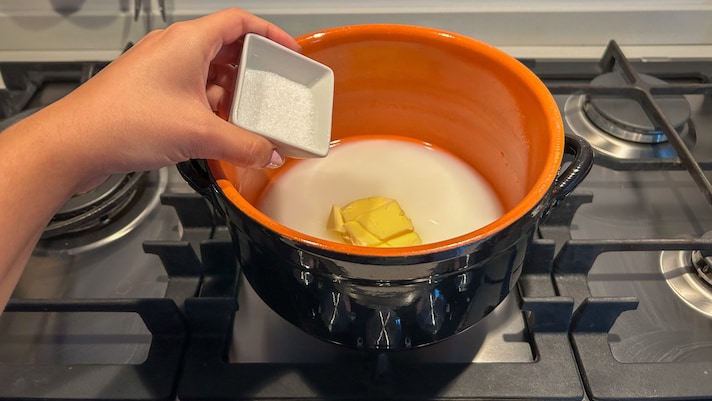
Salt isn't just important for enhancing flavor perception, it can also positively influence the dough, especially during the leavening process. Adding a pinch of salt gives the dough elasticity and optimizes leavening, encouraging and strengthening the natural action of the yeast, even in sweet products. Adding salt makes desserts soft and fluffy, but be careful to use the right amount: if added in excess, salt can also "block" leavening, preventing the leavening agents from working properly.
It Balances Acidity Levels
You know when people suggest adding a little sugar to tomato sauce to balance its acidic flavor? Well, salt has the same effect, but in reverse: adding it to sweet recipes can adjust the acidity levels of the mixture, making it especially useful for desserts made with sourdough starter.
When is The Right Time to Add Salt?
Now you understand why it's so important to add salt, even in sweet doughs, but when is the right time to do it? This isn't a random step either: salt should be added once the dough has begun to take shape and all the ingredients have been added, especially the yeast, which must already be incorporated or dissolved in the mixture. If you add the salt before the yeast, and therefore the salt comes into direct contact with the yeast, instead of aiding leavening, it could inhibit the leavening agent.
Also remember that if your recipe calls for egg whites, you should never add salt directly to the mixture: contrary to what the famous "grandmother's advice" claims, salt has the ability to completely break down the egg white foam due to the sodium ion, which destabilizes the protein structure of the egg white, causing the aqueous portion to separate. To improve the stability of the foam, it is more useful to add an acid, therefore ingredients such as lemon juice (citric acid), vinegar (acetic acid), or cream of tartar (potassium hydrogen tartrate).
In Which Recipes Can You Add Salt?
A prime example is shortcrust pastry: in this type of dough, even though it may seem counterintuitive, you always add a pinch of salt. Of course, we're talking about minimal quantities: to give you a rough guide, about 1-2 grams (less than 1/4 teaspoon) for about 250-300 grams of flour: in short, the classic "pinch." Why? The reasons are those just explained:
- Enhances the flavor. Salt, even in small quantities, intensifies the flavor of the ingredients (butter, sugar, vanilla, lemon zest, etc.), making the pastry more balanced and aromatic.
- It counteracts the sweetness. A hint of saltiness balances the sugar, preventing the pastry from becoming cloying.
- Improves structure. Salt slightly strengthens the flour's gluten, helping the dough's texture become more compact and less crumbly, which can lead to it crumbling too easily.
- It has an “amplifying” effect. Like chocolate, caramel, or cookies, a pinch of salt makes the overall flavors fuller and more complex.
;Resize,width=767;)
