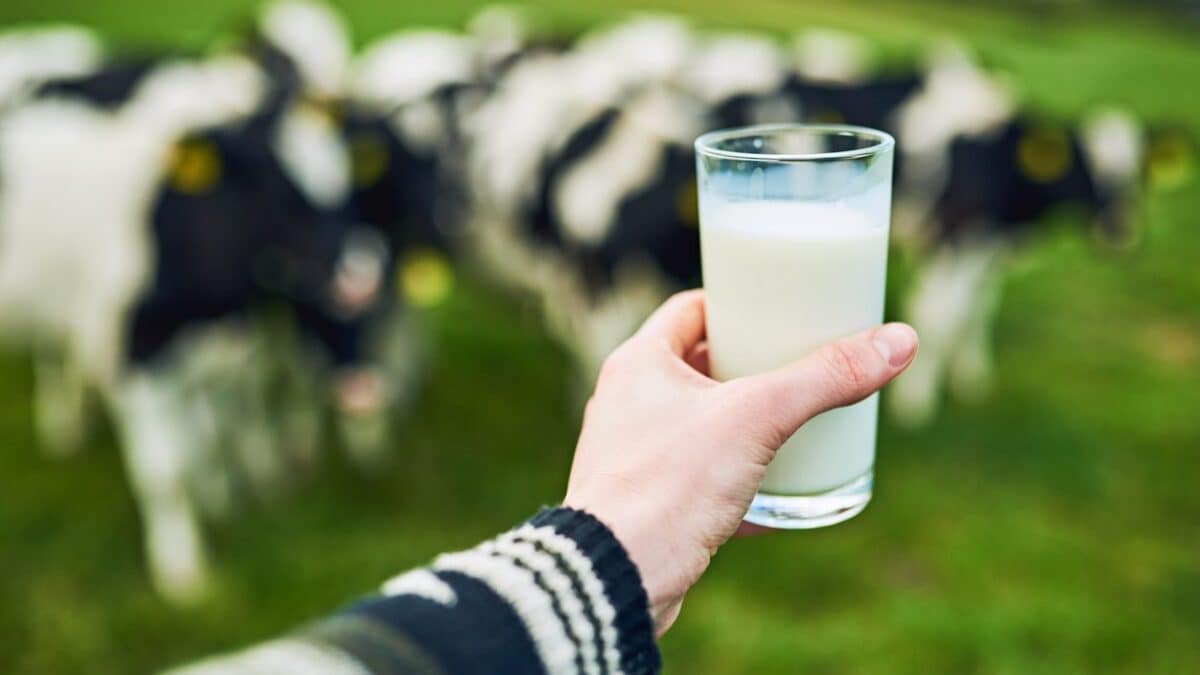
When we choose a carton of milk at the supermarket, we usually look at whether it's whole, semi-skimmed, or skimmed. But there may be another factor to consider: what the cow that produced it ate. This is suggested by a study conducted primarily by researchers at the University of Vermont and presented at the annual meeting of the American Society for Nutrition. The results show that milk produced by cows with access to pasture generally contains more omega-3s and less omega-6s than conventional milk: the difference appears to be largely related to the animals' diet.
Milk From Pasture-Raised Cows Contains More Omega-3s
To reach this conclusion, the researchers analyzed 300 milk samples collected throughout 2024 in Vermont and New York, comparing conventional, organic, organic pasture-raised, and milk from pasture-raised cows on non-organic farms. They observed that organic milk from pasture-raised cows contained the highest amount of omega-3s: 88 milligrams per serving, compared to 25 milligrams found in conventional milk. The opposite was true for omega-6s: conventional milk contained an average of 166 milligrams per serving, compared to 92 milligrams in organic milk from pasture-raised cows. According to the researchers, one of the main reasons for this is the animals' diet: cows with greater access to fresh grass and legumes consume substances that can promote a higher presence of omega-3s in their milk. Conversely, a diet richer in corn and grains tends to be associated with a higher amount of omega-6s.

Even the Season Can Change The Composition of Milk
However, it's not just the type of farming that matters: the time of year also appears to play a role. When cows can graze on fresh grass, the composition of their diet changes compared to months when fresh forage is less available. According to the authors, this could explain part of the variations observed in milk samples throughout the year: the nutritional profile may depend on how much time the animals actually spend grazing, the type of plants they eat, and the season. But does this automatically make milk from pasture-raised cows healthier? It's not possible to say based on this study: the research measured the fatty acid composition of milk, not the effects of its consumption on human health.
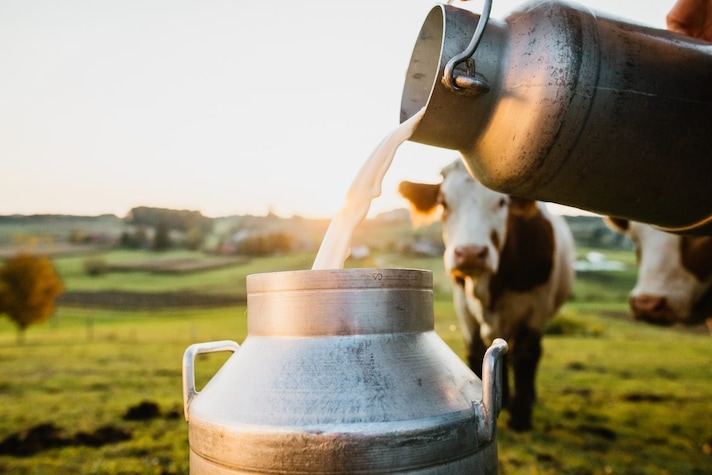
Milk With More Omega-3 Does Not Replace Fish and Seeds
The omega-3 data may be interesting, but it must be placed in the context of the overall diet. The study's experts emphasize that milk should not be considered a primary source of omega-3s: a serving of organic milk from pasture-fed cows provides 88 milligrams of these fatty acids, while a tablespoon of flaxseed oil contains approximately 7,260 milligrams. To increase your omega-3 intake, therefore, foods such as oily fish, flaxseeds, chia seeds, and walnuts remain much more significant sources.
;Resize,width=767;)
