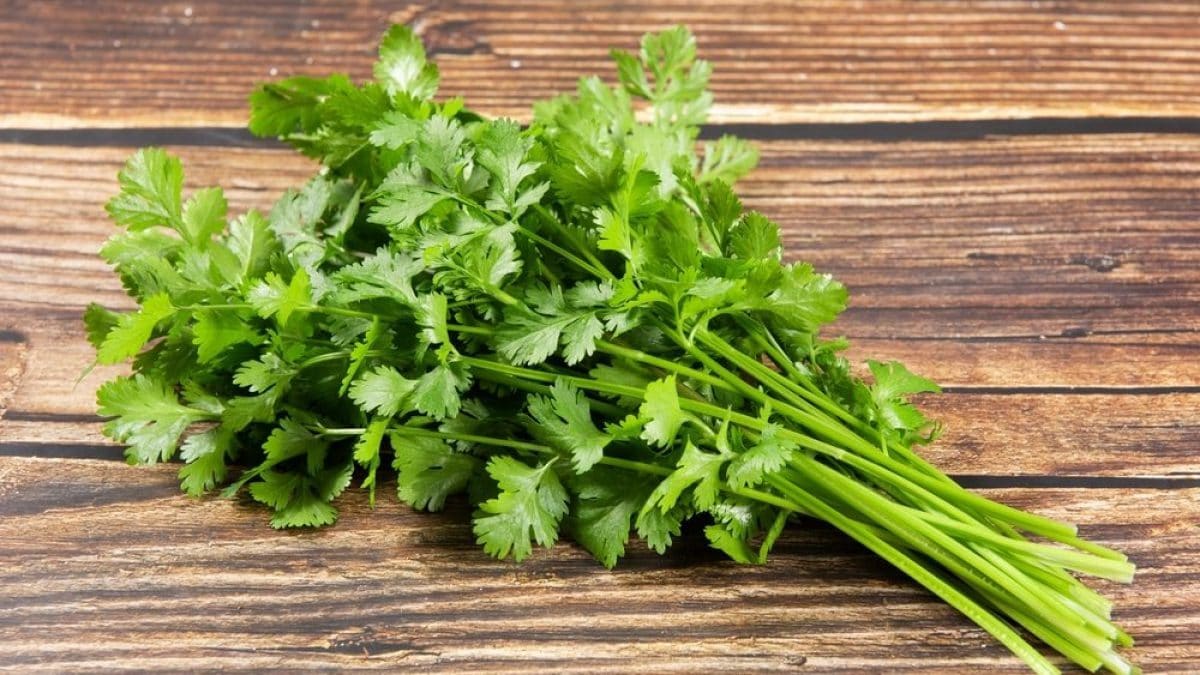
Can a food be given a day that doesn't celebrate it, but, on the contrary, unites all its detractors? Yes, if it's coriander, "celebrated," or rather, "opposed" on February 24th every year. We find it in many cuisines around the world, especially in Asia, Latin America, and the Middle East, the protagonist of dishes that have transcended national borders, such as the famous Mexican guacamole and phở, the symbolic soup of Vietnam. As a 2023 English study also claims, coriander can be defined as "the most divisive herb" in cooking. The descriptions between those who appreciate it and those who can't stand it are completely different, almost as if they weren't talking about the same plant: the former refer to fresh, fragrant, pleasantly citrusy leaves, while the latter claim they taste of soap, mold, or even earth or insects (stink bugs). It's no coincidence that the leaves were mentioned: what polarizes opinions, in fact, is coriander (Coriandrum sativum) in its guise as an aromatic herb, generically referred to as cilantro, compared to the seeds (coriander seed), used as a spice. How can this be possible? Part of the answers we seek seem to be hidden in our DNA.
Why a Lot of People Don't Like Coriander
This curious aversion to coriander has been frequently explored and the subject of numerous scientific studies: in 2012, a survey of 1,600 individuals aged 20 to 29 observed that perceptions could vary depending on geographic and cultural factors based on use. It was calculated that cilantro was disliked by 21% of East Asians, 17% of Caucasians, 14% of people of African descent, 7% of South Asians, 4% of Hispanics, and 3% of people of Middle Eastern origin. Certainly, its use in traditional cuisine can have a significant impact on its popularity, but researchers found there was much more to discover.
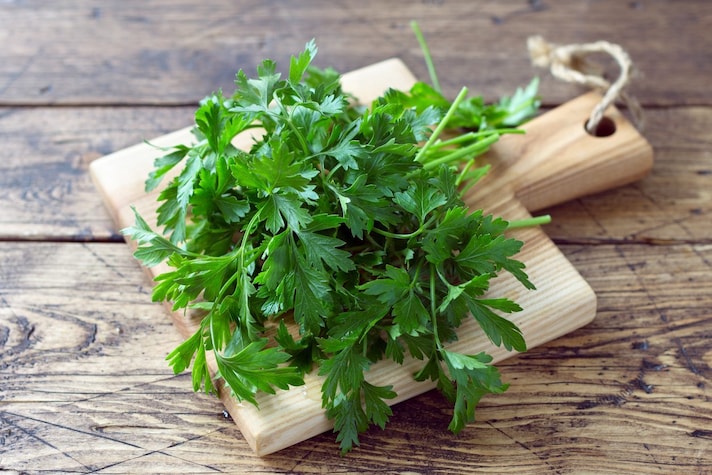
A firm point, again in 2012, was made by the now famous study conducted by American professor Nicholas Eriksson and his team, which put the genetic component at the center of attention: whether you like coriander or not, in simple terms, is due to a gene. Which one? It is OR6A2, one of the genes that controls the olfactory receptors: some people possess a variant that makes them particularly sensitive to certain molecules present in coriander, called aldehydes. These molecules are the same ones also found in soap or detergents, hence the sensation of a “soapy” odor when referring to the fresh leaves of the plant: this strong aromatic component leads the brain – deceptively – to also perceive its flavor with the same intensity, which is why we tend to define it as an unpleasant food even in taste, even though this is not exactly the case.
Returning to the most recent study, the one from 2023, the question arises as to why coriander leaves, so polarizing, are included in dishes. In short: if they are not appreciated, why are they increasingly widespread? There is no unequivocal answer, but it is interesting to see how the hypotheses, albeit with their limitations, try to shed light on the issue: for example, we know that most aromatic herbs and spices have antimicrobial properties (and coriander is no exception ), and that therefore their use is linked to food preservation, particularly before the invention of the refrigerator, and in areas with higher temperatures: it has been observed, in fact, that the higher the average annual temperature of a country, the greater the number of herbs and spices present in its recipes. What if, instead, coriander was present for nutritional reasons? In reality, it does not appear to represent a significant nutritional source, comparable to that of parsley (so much so that one of its names is Chinese parsley).
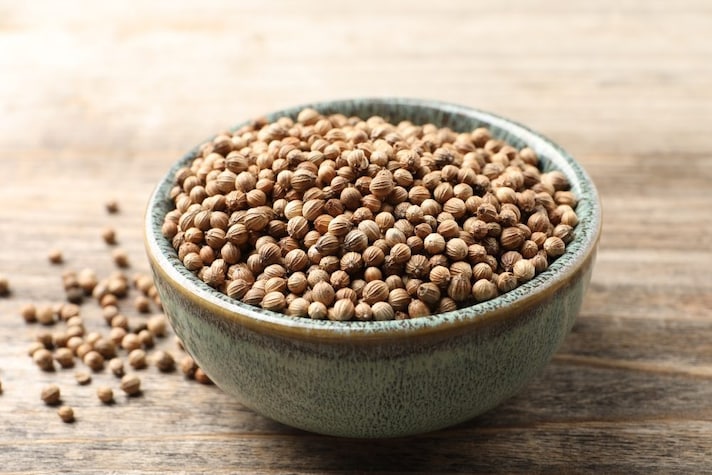
Perhaps, then, the explanation is purely gastronomic: coriander is that extra touch that completes dishes. Finally, a topic that concerns us closely: it is said that this plant is increasingly well-known in the West these days thanks to the popularity of ethnic cuisines, such as South American and Asian, which make extensive use of it. At the same time, however, in Ancient Rome, coriander was a well-known ingredient (repeatedly cited by Apicius in his De re coquinaria), then gradually disappeared, to the point of being considered exotic in our latitudes: it would be interesting to know the reason.
;Resize,width=767;)
