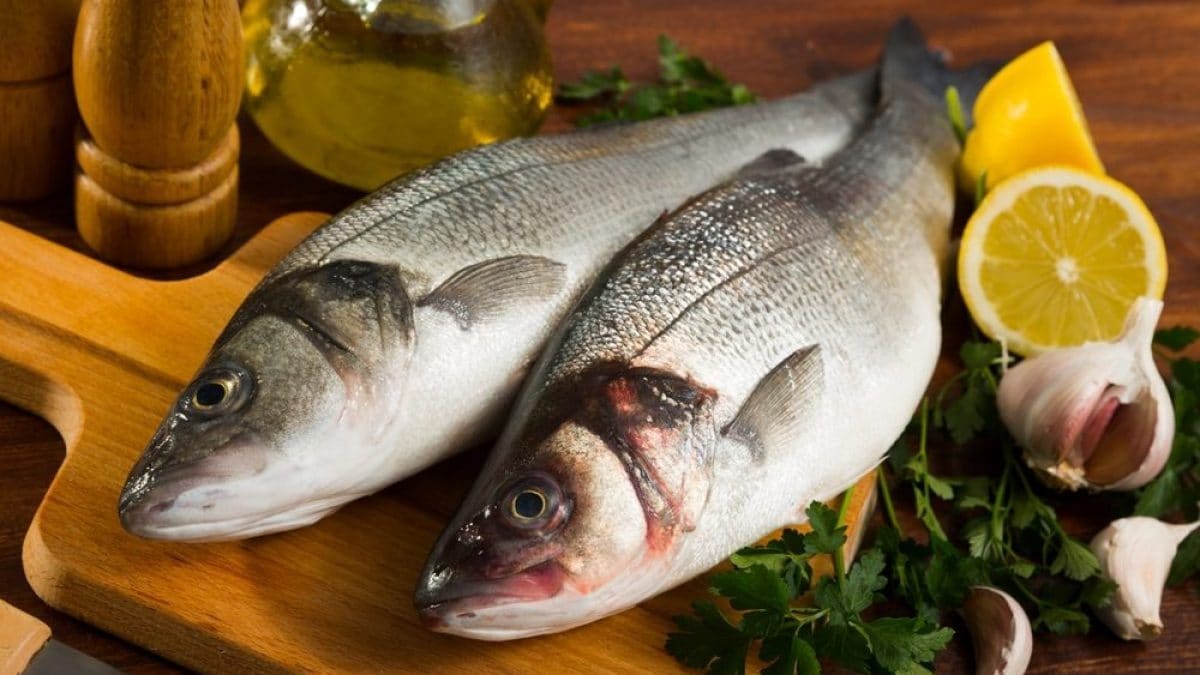
Sea bass, also known as branzino, is one of the most popular fish in Mediterranean cuisines for its delicate flavor, culinary versatility, and nutritional qualities. It's a light and tasty fish that lends itself to many preparations—baked, roasted, grilled, or pan-fried—and can easily be included in a balanced diet. But beyond its flavor, what makes this fish truly special? Let's discover together the properties and benefits of sea bass, or branzino, as you might call it, and its possible side effects.
Sea Bass' Properties and Benefits
Sea bass (Dicentrarchus labrax or Morone labrax) is a lean fish, fairly low in fat but rich in valuable nutrients. It provides high-quality, easily digestible proteins with a high biological value, essential for maintaining muscle mass and tissue. It also contains a good amount of omega-3 fatty acids, beneficial for cardiovascular health, and a fair amount of B vitamins (especially B12), vitamin D, and minerals such as phosphorus, selenium, and potassium. Here are its main benefits:
1. Support for The Heart and Circulation
The omega-3 fatty acids present in sea bass help reduce triglyceride levels and keep blood pressure under control, contributing to the prevention of cardiovascular diseases.
2. Support for The Nervous System
B vitamins, especially B12, are crucial for the proper functioning of the nervous system and energy production.
3. Bone and Tooth Health
The high content of phosphorus and vitamin D helps maintain healthy bones and teeth, preventing conditions such as osteoporosis.

4. Natural Anti-Inflammatory Effect
Omega-3s have anti-inflammatory properties that can help reduce inflammation in the body and improve joint health.
5. Regulation of Metabolism
Potassium helps maintain body fluid balance and regulate blood pressure, while selenium plays a key role in protecting cells from oxidative stress.
6. Light and Digestible Food
Its low fat content makes it suitable for low-calorie diets and for those with digestive difficulties.
Contraindications
Although it's a healthy food, sea bass can present some contraindications in specific cases. People with fish allergies should obviously avoid it altogether. Furthermore, it's important to pay attention to its provenance: some intensively farmed specimens may contain antibiotic residues or contaminants, so it's best to choose fish caught from certified, sustainable farms (even better, choose a product that isn't farmed). Bones can also pose a risk, especially for children or the elderly, and should be carefully removed before consumption.

;Resize,width=767;)
