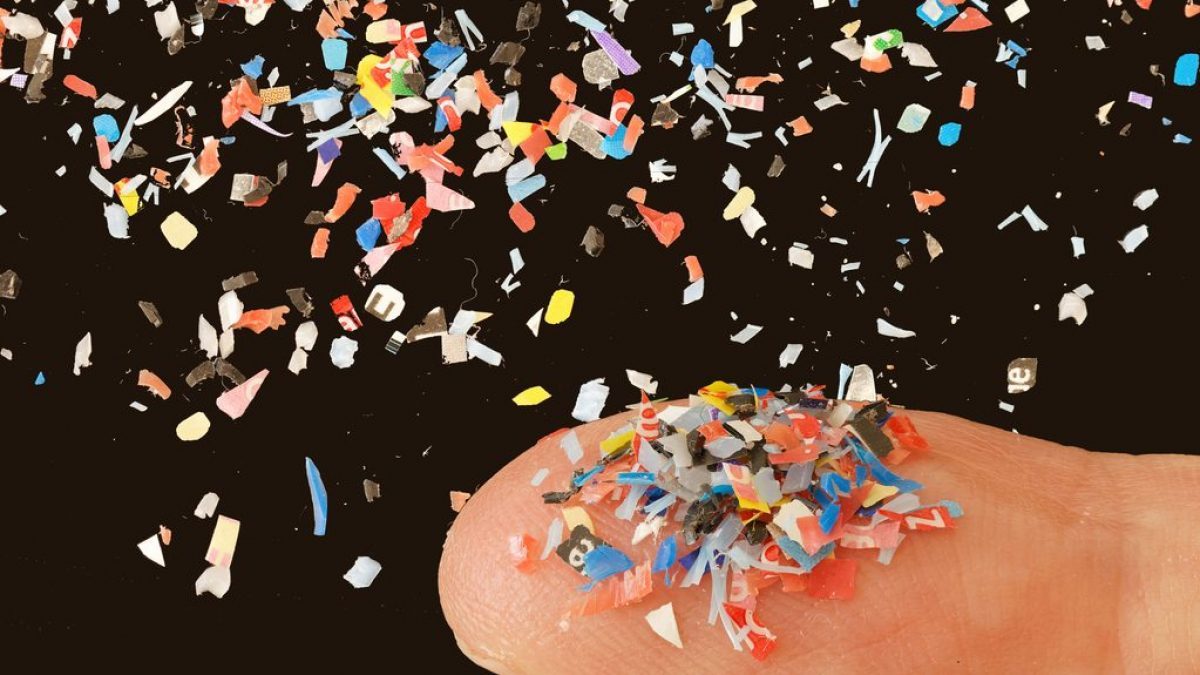
The situation is starting to become worrying. Today we're talking about a much-underestimated problem that should give us pause: microplastics. We know they're everywhere, and in recent years they've practically become an unwelcome (and omnipresent) guest not only in our environment, but also in our bodies. They're in the food we eat, the water we drink, and even the air we breathe. If you thought the problem mainly concerned plastic bottles or disposable containers, perhaps you should think again, as they could be lurking in much more surprising places. As reported by the well-known newspaper, the Washington Post, and confirmed by a groundbreaking French study, you'll discover that these microparticles can even come from sources we once considered safe: glass bottles or processed foods.
Microplastics Present Not Only in "Traditional" Plastic Containers
The alarm was raised by the Washington Post, which examined the issue of microplastics in an article. Several studies have estimated that we ingest the equivalent of a teaspoon a day, but the origins of these particles have so far been uncertain. According to a French study published on the HAL Anses portal, and subsequently reported by the American newspaper, microplastics are no longer "just" exclusive to plastic packaging but can contaminate foods stored in glass and metal containers.
French researchers conducted studies on dozens of beverage samples, including water, tea, beer, and wine stored in glass, plastic, and can bottles. The results were shocking, as the highest levels were found in glass bottles with polyester-coated caps: 100 particles per liter, a value 5 to 50 times higher than in any other container made of other materials. Historically, it was thought that most microplastics came from the decomposition of plastic waste or from plastic containers. However, the recent studies cited above have revealed a far more complex picture.

We've already talked about glass bottles, but another study by the Ocean Conservancy and the University of Toronto conducted a rather unusual investigation. Highly processed food products like the famous chicken nuggets or plant-based meat alternatives contain significantly more microplastics than minimally processed foods. A serving of chicken nuggets had 62 particles, while a chicken breast had only two. The researchers' response to this research is that processed food is attributed to complex industrial processes involving conveyor belts and machinery with plastic components. The news doesn't end there, however: a recent study by the Food Packaging Forum highlighted that microplastics are released from certain types of plastic containers, especially when used under certain conditions. They release more particles when washed: reusable plastic cups, plates, or cutlery when exposed to hot water, and plastic water bottles when the caps are repeatedly screwed on and off.
Possible Solutions Suggested by Experts to Tackle the Problem
The microplastics problem is more complicated than previously thought, and as several experts have suggested, addressing this emergency requires a joint effort from consumers, industry, and institutions. Alexandre Dehaut of the French food safety agency ANSES has explained that simply cleaning bottle caps before bottling can reduce microplastic content in beverages by 60%.

The same goes for containers: Lisa Zimmern of Food Packaging explained to the Washington Post that it would be best to avoid storing food in plastic containers and especially not to reheat it in them. The American Chemistry Council (a plastics trade group) stated that greater awareness of the complexity of the problem is needed, which should be approached with greater caution, despite the data regarding the effects on the body not yet being 100% certain.
;Resize,width=767;)
