
It is a common Thanksgiving Day strategy: wake up, drink a cup of black coffee, and refuse to eat a single bite of food until the turkey is carved at 4:00 PM. The logic seems sound—if you are about to consume thousands of calories in a single sitting, it makes sense to "save up" your daily calorie allowance by fasting beforehand. However, nutritionists and registered dietitians universally advise against this tactic.
Treating your body like an empty bank account waiting for a massive deposit completely ignores the biological reality of how human metabolism, blood sugar, and digestion actually work. Skipping meals before a heavy holiday dinner almost guarantees you will feel physically miserable by the time dessert is served. Here is exactly what happens to your body when you fast before a feast, and how dietitians recommend structuring your plate instead.
The Blood Sugar and Hormone Crash
When you skip breakfast and lunch, your blood sugar inevitably plummets. In response, your body begins rapidly pumping out ghrelin—the hormone responsible for signaling hunger. By the time you finally sit down at the Thanksgiving table, you are no longer just hungry; you are biologically ravenous. This state of intense deprivation triggers a survival response in the brain, overriding your ability to eat mindfully.
When blood sugar is rock-bottom, your brain demands instant energy. This makes you significantly more likely to bypass the protein (turkey) and fiber (vegetables) and binge aggressively on simple, fast-acting carbohydrates like dinner rolls, mashed potatoes, and pie. Extreme hunger causes you to eat much faster. Because it takes the brain roughly 20 minutes to register that the stomach is full, inhaling your food ensures you will consume far past the point of comfortable satiety before your brain can hit the brakes.

The Gastrointestinal Shock
Your digestive system is a muscle that operates best with a steady, predictable rhythm. Leaving your stomach completely empty for 16 hours causes it to contract. Dropping a sudden, heavy influx of rich, high-fat, and high-sugar food—often exceeding 2,000 calories—into a contracted, empty stomach is a recipe for gastrointestinal distress. This sudden overload halts digestion, leading directly to the dreaded Thanksgiving "food coma," severe bloating, indigestion, and acid reflux.
The Dietitian-Approved Thanksgiving Schedule
To keep your blood sugar stable, your digestion moving, and your appetite manageable, dietitians recommend treating Thanksgiving morning just like any other day.
1. Eat a Protein-Rich Breakfast
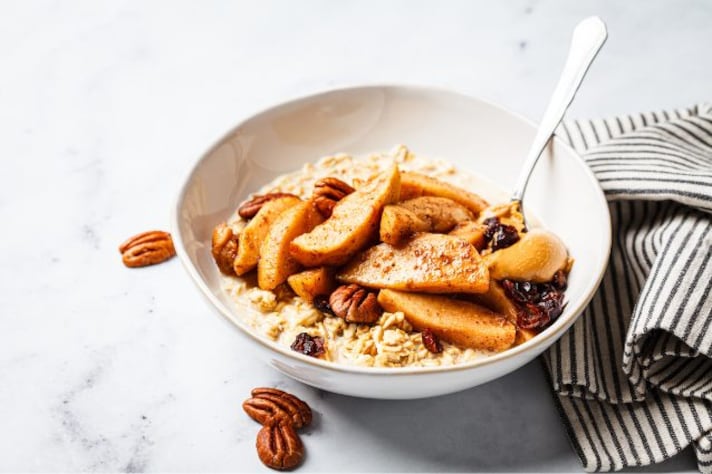
Start your day within two hours of waking up with a meal heavily anchored in protein and fiber. These macronutrients stabilize your blood sugar and keep you satiated, allowing you to make rational, enjoyable choices once the holiday spread is presented. Ideal options include scrambled eggs with spinach, a bowl of oatmeal topped with nuts and chia seeds, or plain Greek yogurt with fresh berries.
2. Have a Light Lunch (If Dinner is Late)
If your family eats "dinner" at 5:00 PM or later, do not push through the afternoon on an empty stomach. Eat a small, produce-heavy lunch or snack around 1:00 PM. A light salad, an apple with almond butter, or a handful of raw vegetables with hummus will bridge the gap.
3. Prioritize Hydration
People frequently confuse thirst with hunger, especially on busy, chaotic holidays. Thanksgiving dishes are notoriously high in sodium (broth, butter, cured meats). Drinking plenty of water throughout the morning and afternoon aids in digestion and prevents the excessive water retention and puffiness often felt the next day.

