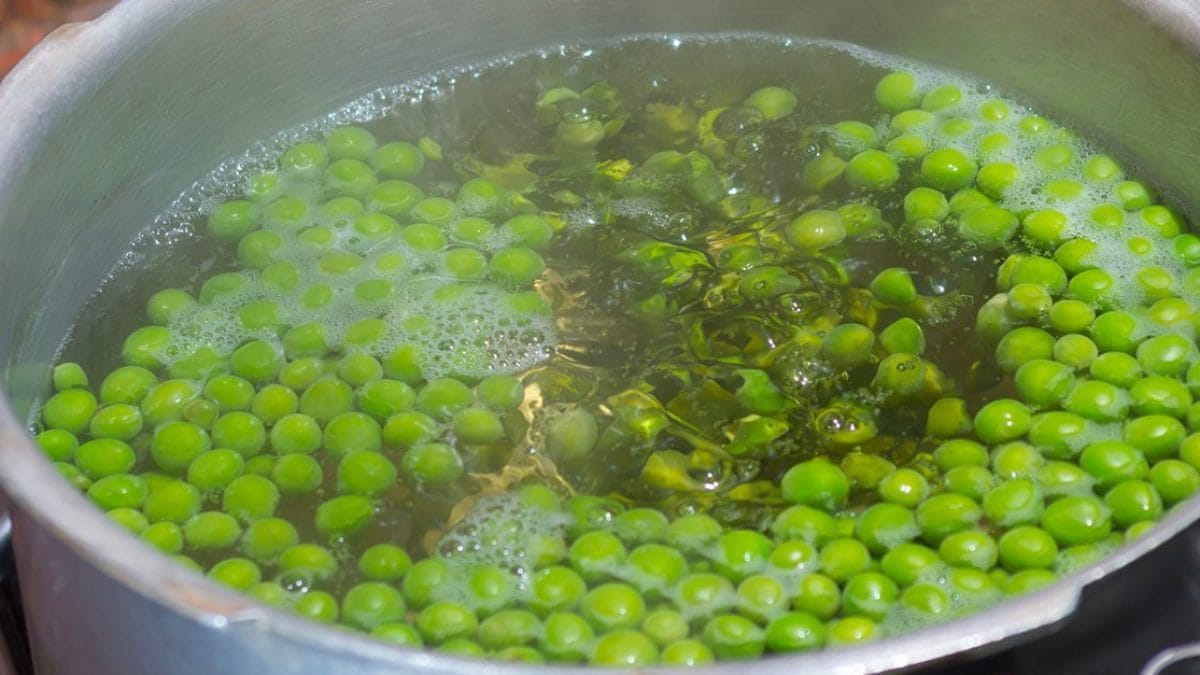
Boiling food is a very useful cooking technique for many preparations, but you must be careful: using cold or hot water is not the same thing; in fact, it makes a big difference. Some foods, in fact, risk thermal shock depending on the temperature of the water they're immersed in.
Knowing the rules is therefore essential. Generally speaking, for vegetables, the most common foods to boil, an ancient tradition applies, one of the classic "grandmother's remedies": vegetables that grow underground should be boiled in cold water, those that grow above ground in boiling water. This is because underground vegetables like carrots and turnips are very compact and require slow cooking to soften, while those that grow aboveground like spinach, zucchini, and green beans are more tender and therefore must be blanched briefly or they will fall apart.
There are, of course, exceptions to this general rule, and it's not enough to explain how to boil other foods. Contrary to popular belief, these aren't the only foods suitable for this cooking method: everything can be boiled, from fish to meat, including eggs. And there are also rules for flour and corn, which aren't boiled but are the basis of certain preparations (such as polenta) and react differently to cold or boiling water.
What is The Difference Between Boiling and Simmering?
Before delving into the rules for boiling, it's important to clarify: this technique is often confused with boiling, but in reality they are two different methods.
- Boiling is cooking food in boiling water, then immersing it in very hot water or broth. It's a very ancient cooking method and one of the simplest, taking less time than boiling.
- Simmering, on the other hand, involves cooking foods using cold water, over a very low heat and for a longer time: it's essentially a gentler but slower cooking method, in which the water temperature can be as low as 210°F/100°C. Simmering reduces the loss of nutrients compared to boiling, and the cooking liquid can be recovered and used as a base for soups, sauces, or stews. Not to be confused with absorption cooking.

Which Foods Are Boiled in Cold or Hot Water?
Boiling foods in hot or cold water is not the same thing, because the result changes depending on whether you allow the ingredient to heat gradually or if you subject it to a sudden thermal shock of heat.
In general, the old wives' rule—vegetables that grow underground in cold water, vegetables that grow above ground in hot water—is very useful for greens, vegetables, and legumes, but obviously there are exceptions: for example, broad beans and peas can be washed in hot water to prevent them from turning black, while chickpeas, lentils, and beans should be washed in cold water or they will remain too hard. Potatoes are a unique case, because whole, unpeeled potatoes require cold water, while peeled and chopped potatoes should be washed in hot water.
Fish requires hot water, except in some specific cases. Meat varies depending on whether you're cooking it in broth or boiled. Eggs always require cold water. Remember to also be careful with flours and starches, which must be cooked in hot, but not boiling, water to prevent lumps. Let's take a closer look at which foods should be cooked in hot or cold water.
1. Vegetables, Greens and Legumes
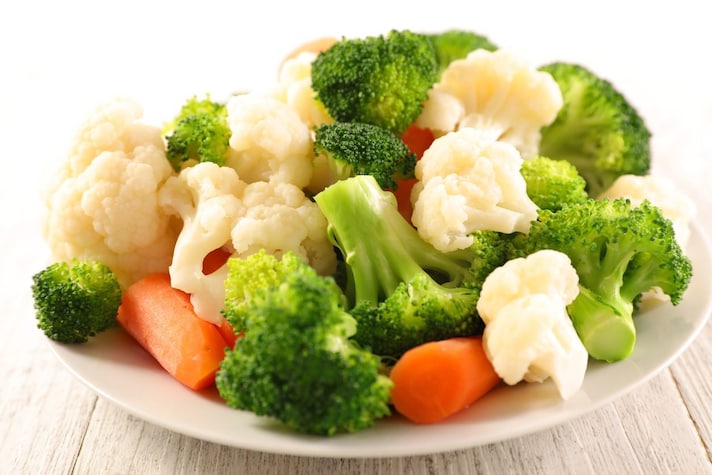
The remedy taught by grandmothers is the most effective when it comes to vegetables, greens, and legumes: always use cold water for anything growing underground and prefer boiling water for anything growing in the sun. As mentioned, however, there are some specific exceptions. Potatoes can be soaked in hot or cold water depending on how you prepare them, while peas always require hot water or they will darken during cooking. All other legumes, such as beans, chickpeas, and lentils, however, should be soaked in cold water because they will soften.
2. Potatoes

Potatoes are a unique case. According to the traditional rule, they should be cooked in cold water since they grow underground, but it all depends on how you prepare them. If you cook them whole and still have their skin on, they really should be cooked in cold water, but if you peel them and cut them into pieces, you'll have to immerse them in hot water: in this case, the cold temperature would cause the pieces to absorb too much water.
3. Meat

Some types of meat can be boiled, but the exact rules depend on how you intend to use them. If you want to serve a perfect boiled meat, you'll need to cook the meat in hot water, but not boiling: only this way will the fats melt and it take on a buttery consistency. Be careful not to reach too high a temperature, or you'll get the opposite effect. If you want to make a flavorful broth, instead, place the meat in a pot filled with cold water; low temperatures are also recommended for cotechino, which should be soaked in cold water for an hour before cooking to prevent it from falling apart.
4. Fish
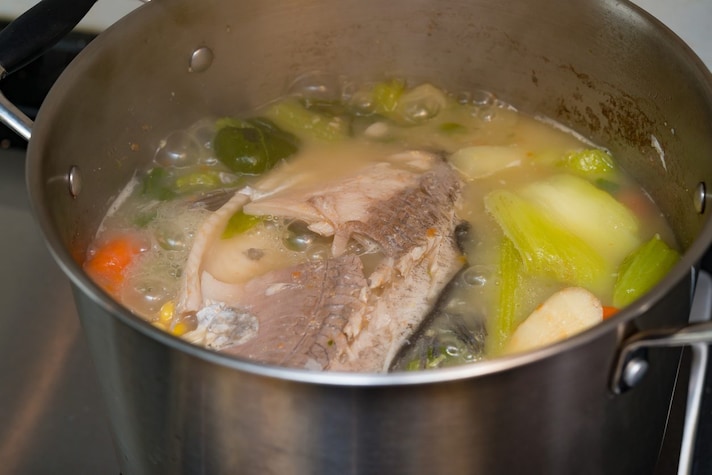
Boiling fish is a very common process that can yield excellent results if done correctly. In this case, the ingredient is gently immersed in hot water and cooked over very low heat: if the water reaches a boil, the fish dries out and may even fall apart. However, much depends on the size of the fish: if it is large and whole, it should be cooked in cooled liquid to prevent it from breaking. Octopus, which requires boiling water, is a special case. Once it reaches a boil, it should be quickly lowered three times to curl its tentacles, allowing it to sink and cook evenly.
5. Eggs
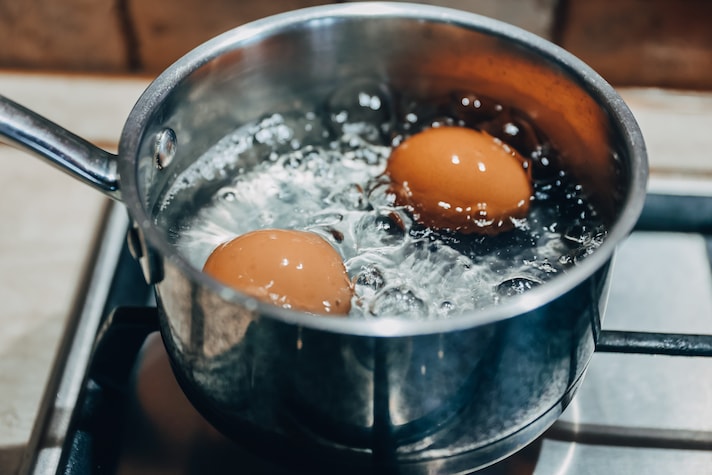
For most cooking methods, such as hard-boiled or soft-boiled, the egg must be immersed in cold water, because only in this way will the shell remain firm and not crack. The only exception is poached eggs: in this case, it must be plunged into a vortex of boiling water so that the egg white cooks instantly and properly envelops the yolk.
6. Flours and Starches

Flours and starches don't require actual boiling, but they form the basis of preparations like polenta or semolina recipes that require the use of water. In this case, the greatest risk is the formation of annoying lumps that ruin the final result of the recipe. The trick to avoiding them is to immerse the mixture in hot (but not boiling) water and immediately stir with a whisk. Only cornstarch can be dissolved in cold water: this way, you will obtain a sort of batter that can be added little by little to lukewarm preparations.
;Resize,width=767;)
