
You walk into a restaurant to pick up a dinner you ordered online. A host hands you a brown paper bag, spins a digital payment tablet around, and presents three pre-selected tipping options: 18%, 20%, or 25%.
Suddenly, a simple weeknight pickup turns into a high-pressure social dilemma.
In sit-down restaurants, tipping 15% to 20% for table service is standard etiquette in North America, as servers spend an hour or more taking orders, refilling drinks, and clearing dishes. For delivery drivers, tipping covers personal vehicle wear-and-tear and navigating traffic.
Takeout, however, exists in a murky gray area. Between post-pandemic digital payment systems and widespread "tip fatigue," diners are increasingly asking: Is tipping on takeout actually expected, or have payment apps simply normalized tipping for services that never required it before?
What Actually Goes into Packing a Takeout Order?
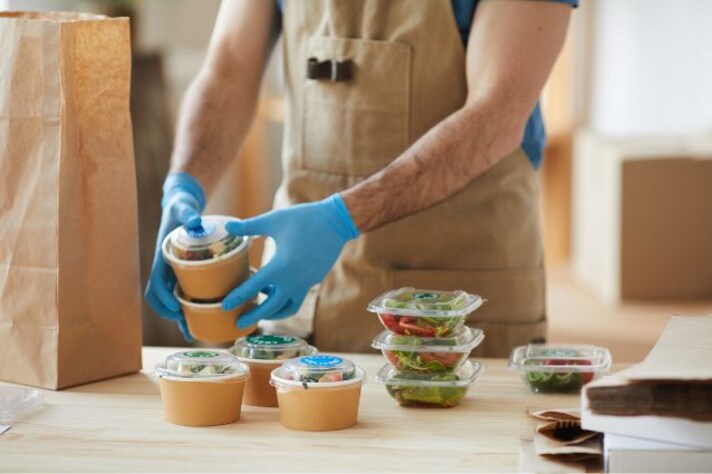
To understand whether tipping is warranted, it helps to understand what happens behind the counter before that bag is handed to you. Takeout prep involves significantly more labor than simply sliding food into a paper sack: dedicated takeout workers must coordinate with the kitchen line to ensure hot food stays hot, fried food doesn't turn soggy, and cold sides remain chilled until pickup; packaging multiple containers, wrapping liquids tightly to prevent leaks, bagging condiments, and double-checking modifications (like allergy requests or dressings on the side) takes time and focus away from table service.
In many casual and sit-down establishments, the person packing your bag is a food runner, host, or bartender making a standard hourly tipped wage. In an increasing number of restaurants, takeout tips are pooled and split among back-of-house kitchen crew and packing staff who do not receive a standard cut of dining room sales.
The Etiquette Consensus: What Should You Tip?
Etiquette experts, restaurateurs, and hospitality workers generally agree on one core principle: Tipping on takeout is appreciated, but it is not mandatory—nor should it be judged by the same standards as full dine-in service. While 20% is the baseline for sit-down dining, the standard expectation for takeout is much lower:
- Standard Orders (1 to 2 people): A tip of $1 to $3, or roughly 10%, is widely considered polite and generous.
- Large or Complex Orders (Family meals, catering, heavy modifications): 15% to 20% is appropriate to compensate for the extensive packing, bagging, and box-organizing required.
- Simple Grab-and-Go (Coffee, pre-made sandwiches, baked goods): $0 or spare change is entirely acceptable, as the transaction involves no customized kitchen labor.
When You Definitely Should Leave a Tip
While you shouldn't feel pressured to leave a hefty tip on every bag of food, there are specific scenarios where leaving 10% to 15% is standard practice:
1. Curbside Pickup
If a staff member has to monitor the parking lot, brave bad weather, and carry heavy bags directly to your car window or trunk, that crosses the line from counter service into personal delivery. Treat curbside pickup the same way you would a delivery driver and tip accordingly.
2. Heavy Customization or Dietary Requests
If your order involves multiple special requests—such as gluten-free substitutions, allergy precautions, and sauces on the side—someone on the line took extra time to sanitize prep areas and double-check labels. A small tip acknowledges that extra attention to detail.
3. Large Group Orders
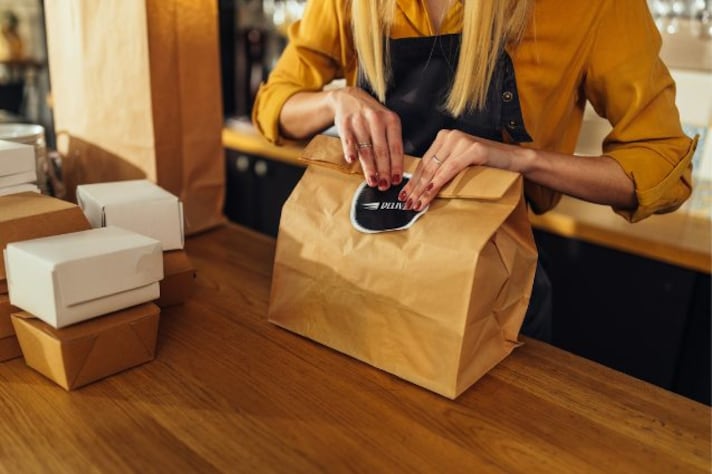
Placing a $150 dinner order for eight people requires a line cook to pause dine-in tickets and a host to spend ten straight minutes packing, labeling, and organizing multiple bags. For orders requiring three or more large bags, a 15% tip reflects the catering-level effort involved.
4. Supporting Your Favorite Neighborhood Spots
If you are a regular at a local, independent mom-and-pop eatery, tipping on takeout directly supports the staff and helps ensure your favorite neighborhood spot remains open.
When It Is Completely Fine to Skip the Tip
If you encounter a tip screen under the following circumstances, you can select "No Tip" or "Skip" without feeling any social guilt:
- Self-Service Kiosks: If you placed the order on a touchscreen, retrieved a pre-packed item from a heated locker, and had zero human interaction, no service was provided to warrant a tip.
- Pre-Packaged Grab-and-Go: Buying a bottled drink or a pre-packaged snack from a refrigerated display case requires the same labor as ringing up a bottle of water at a convenience store.
- Automatic Service Fees Already Included: Always glance at your receipt before paying. Many modern restaurants now automatically add a 3% to 5% kitchen fee or takeout packaging fee. If an operational fee is already built into the total, you are under no obligation to add another tip on top.
A Sane Strategy for Dealing with Tip Screens
Default digital prompts programmed with 20%, 25%, and 30% are set by point-of-sale software companies to maximize transaction volumes, not by etiquette authorities. Instead of letting digital screen prompts dictate your spending or cause social anxiety, rely on a simple rule: treat takeout tipping as a flat-dollar gesture rather than a percentage. Tossing $1 or $2 in cash into the tip jar, or manually entering a modest dollar amount on the keypad, is a universally respected way to say "thank you" for the kitchen's effort without bloating your dining budget.

