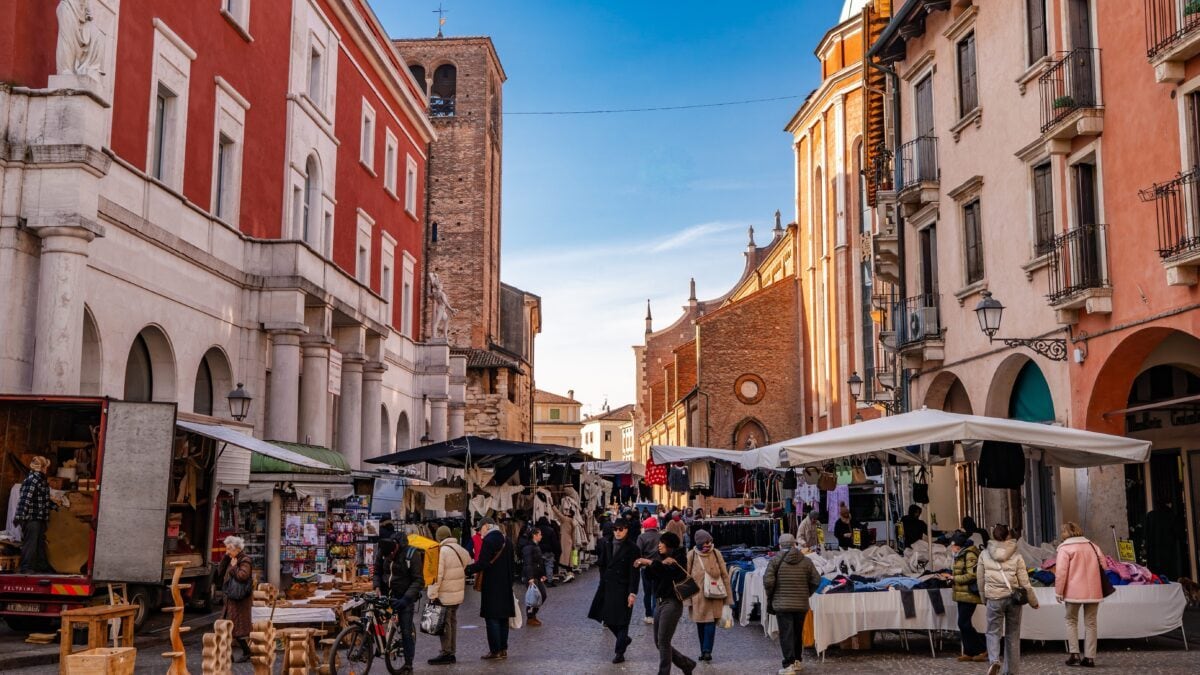
Compasses no longer point north, but… supermarkets: according to a recent report cited by Forbes International, new generations seek authenticity when traveling through unusual flavors, popular products, local markets, and grocery stores. For 89% of millennials and Gen Z, monuments, museums, and scenic spots are apparently no longer enough, as they don't truly reflect the essence of a place. This trend has always existed, but social networks have given it a specific name: snackpacking. A term that captures younger travelers' rejection of standardized, prepackaged tourism, characterized by endless lines to enter the most popular and photographed sites.
The Micro-Experiences Everyone Wants to Live
Forget Michelin-starred restaurants, booking well in advance, and waiting interminable waits for a table. Snackpacking operates on a decidedly different scale, made up of brief stops and immediate pleasures: a warm focaccia eaten in an alleyway, a sweet pastry nibbled while begging for shade, or an unusual drink that catches your eye from the counter of a neighborhood kiosk. It's no coincidence that, according to the Global Travel Trends Report, approximately 60% of travelers regularly purchase traditional snacks during their stays abroad, driven by the desire to try products they can't find at home and the desire to support the local microeconomy.
In this dynamic, the digital component plays a crucial role, accelerating the way a local specialty enters the wish lists of millions of users around the world. Over 75% of younger travelers say they're willing to deviate from their itinerary just to find a food product they've seen in online videos. The most striking example is the success of the hashtag #711, which has become a cult phenomenon for anyone exploring 7-Eleven convenience stores around the world. But while abroad, retail giants are setting the trend snackpacking maintains its true value only when it doesn't reduce a city to a single viral food. The true magic lies in discovering historic bakeries, shops, and markets: places capable of telling the story of a region through people and not just through eye-catching, colorful packaging.
This quest for simplicity also has a profound geographical impact. Where there is efficient transportation and accessible information, travelers increasingly choose to leave historic centers and venture into the provinces. The goal is to observe real life, far from the crowds of tourists taking photos of each other in front of the usual monuments. Snackpacking thus becomes a tool for widespread tourism, capable of channeling curiosity and economic resources towards alternative neighborhoods and small towns, where everyday life still pulsates intact.
We could therefore summarize snackpacking as the art of exploring a territory through inexpensive, quick, and informal tastings, but there's an even more specific term for those who, upon crossing the threshold of a foreign country, decide to immediately lose themselves in the supermarket aisles: grocery tourism. In an era increasingly dominated by globalization, which tends to lead to a strong standardization of products, flavors, and smells, local markets represent an unmissable bastion of authenticity. Chains like Sainsbury's in England, Carrefour in France, or Walmart in the United States, as The Guardian suggests, are transforming themselves into "museums in their own right." This "treasure hunt" responds to a much deeper need: to reject mass and undifferentiated tourism and bring home a slice of real, intimate, and social life.

Snackpacking is Estimated to Be Worth $1.23 Trillion
While snackpacking may seem like a simple generational trend at first glance, the data actually reveals a rapidly growing market. According to the Culinary Tourism Market Report 2026, global food tourism is projected to reach approximately $1.23 trillion by the end of 2026. These numbers demonstrate that food is no longer a mere side dish to travel, but the decisive factor determining the destination, duration, and spending plan. "This push for authenticity," said Rosa Giglio, "generates value even outside traditional travel channels, shifting tourist spending to secondary destinations and alternative neighborhoods. Choosing street food, a historic bakery, or a local market means seeking a sincere, unmediated interaction. Food thus becomes the key to decoding a destination's lifestyle, driving a new tourism economy that completely redefines travelers' spending patterns and priorities."
;Resize,width=767;)
