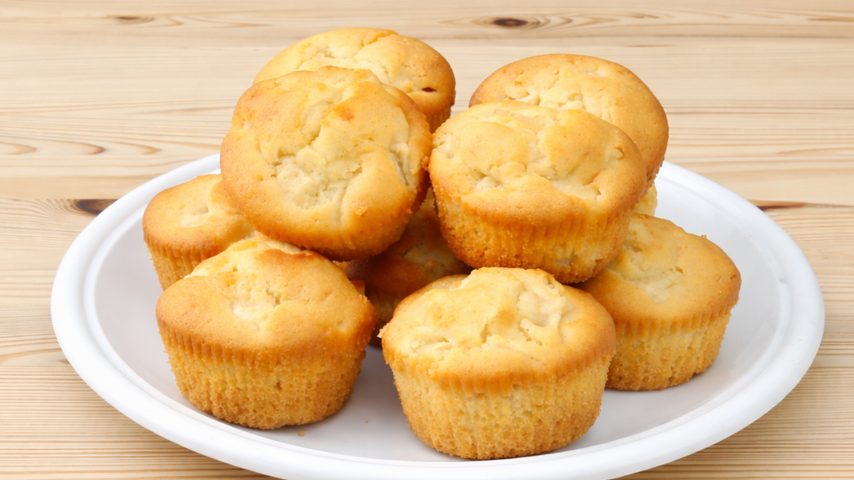
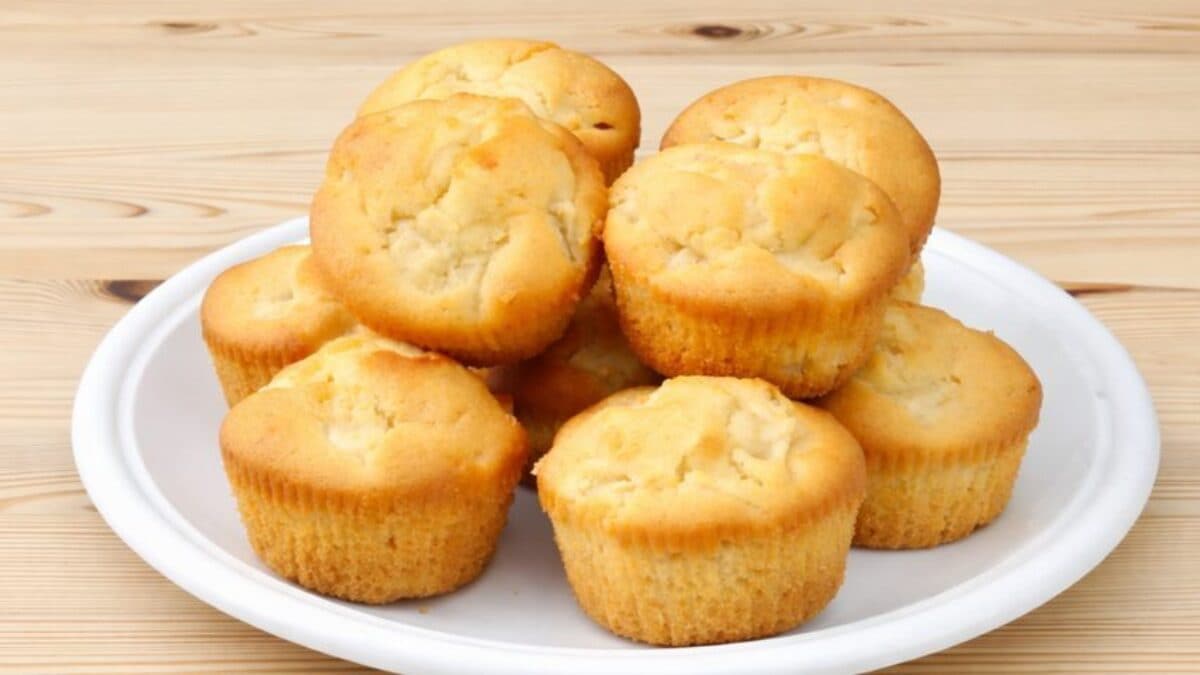
Pear muffins are soft, lightly sweet, gently spiced with cinnamon, and packed with little pieces of juicy pear. The combination of flour, eggs, sugar, milk, vegetable oil, baking powder, baking soda, cinnamon, and fresh pears creates muffins with a tender crumb. They are especially lovely for breakfast, an afternoon coffee break, lunchbox treats, or a casual snack when the biscuit tin has somehow become suspiciously empty.
What Are Pear Muffins?
Pear muffins are small individual cakes made with a simple muffin batter and fresh diced pears. The fruit softens as it bakes, adding moisture and little pockets of natural sweetness.
Muffins themselves have a long history, although their story is a little complicated because the word has been used for different baked goods over time. English muffins, for example, are yeast-based and cooked differently, while the sweet, cake-like muffins popular today are strongly associated with American baking.
Pear muffins belong to the same family of fruit-filled muffins that have become popular because they are easy to adapt. Apples, berries, bananas, peaches, and pears can all go into muffin batter with very little fuss.
Pro Tips for the Best Pear Muffins
- You want pears that are sweet and juicy but still firm enough to hold their shape. Very soft pears can release a lot of liquid and make the batter heavier.
- Small, similarly sized pieces distribute the fruit throughout the batter. Large chunks can sink or make some muffins much wetter than others.
- The recipe uses just enough cinnamon to support the pear without overpowering it. If you add extra, remember that a little goes a long way.
- Put the muffins into a fully heated oven. Starting in a cold or partially heated oven can affect their rise and baking time.
Frequently Asked Questions
Do I need to peel the pears?
Peeling is optional. If the pear skin is thin and pleasant to eat, you can leave it on after washing the fruit thoroughly. For a softer, more uniform texture, peel the pears before dicing.
Can I add nuts to pear muffins?
Yes. Chopped walnuts, pecans, or almonds can add a pleasant crunch and pair nicely with pear and cinnamon. Keep the amount moderate so the nuts do not overwhelm the fruit.
Why are my pear muffins dense?
Overmixing is one of the most common culprits. Once the flour is added, stirring too much can develop gluten and produce a heavier texture. Too much flour or an oven that is not properly preheated can also affect the result.
Can I freeze pear muffins?
Yes, but they must cool completely before freezing. They can be thawed at room temperature and gently warmed before serving.
How to Store Any Leftovers
At room temperature, properly stored muffins are generally best within a couple of days. Also, keep them covered so they do not dry out. You can also refrigerate them in a sealed container to make them last longer.
Ingredients
How to Make Pear Muffins
;Resize,width=712;)
Mix the flour, sugar, baking soda, baking powder, and cinnamon.
Mix the flour, sugar, baking soda, baking powder, and cinnamon.
;Resize,width=712;)
In a separate bowl, mix eggs with vegetable oil and milk.
In a separate bowl, mix eggs with vegetable oil and milk.
;Resize,width=712;)
Pour the wet mixture into the bowl containing the dry ingredients and mix.
Pour the wet mixture into the bowl containing the dry ingredients and mix.
;Resize,width=712;)
Add the diced pears to the batter.
Add the diced pears to the batter.
;Resize,width=712;)
Line a 12-cup muffin tin with paper liners.
Line a 12-cup muffin tin with paper liners.
;Resize,width=712;)
Spoon about 2 tablespoons of batter into each paper liner.
Spoon about 2 tablespoons of batter into each paper liner.
;Resize,width=712;)
Bake in a preheated oven at 180°C/350°F for 20-25 minutes.
Bake in a preheated oven at 180°C/350°F for 20-25 minutes.
;Resize,width=712;)
Serve them as they are, because the pear and cinnamon already bring plenty of flavor. Enjoy!
Serve them as they are, because the pear and cinnamon already bring plenty of flavor. Enjoy!
;Resize,width=767;)
