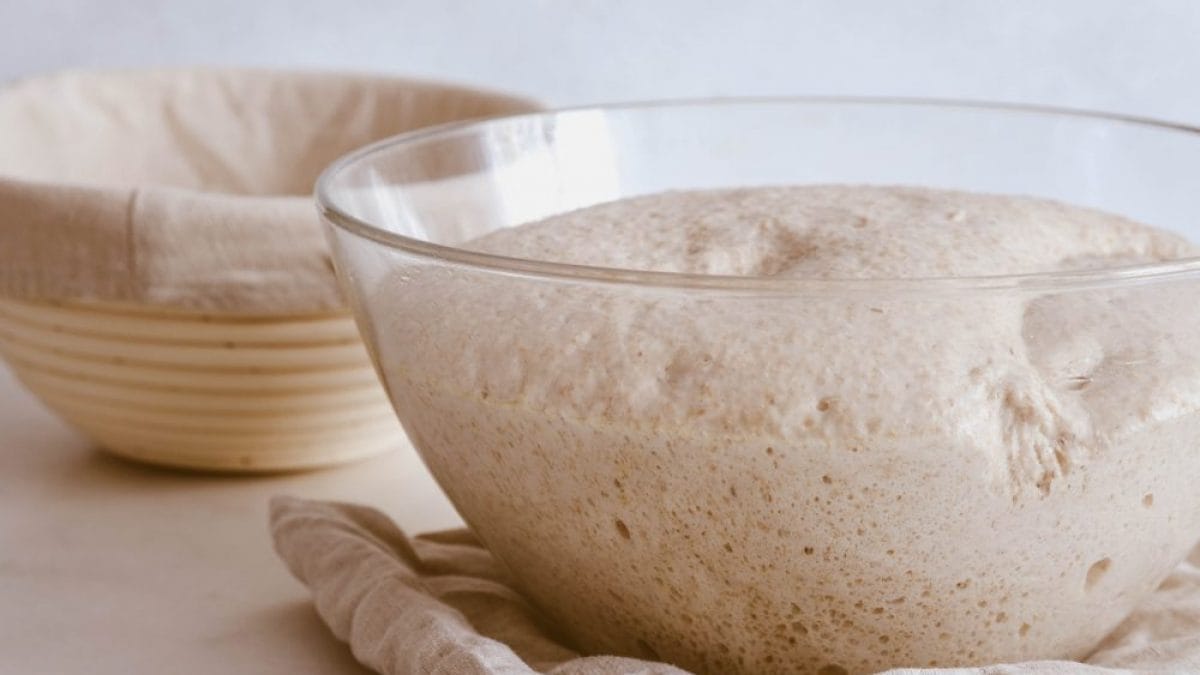
A blessing and a curse: it's easy to become attached to your sourdough starter, especially since maintaining it requires care and attention. A world of flours, starches, microorganisms, and fermentations that remains as fascinating as it is mysterious, always generating multiple questions, confirming that it's halfway between science and an act of faith: by experimenting with it day by day, everyone finds their own home-made solutions to the problems that arise. Here, we've collected some doubts (10 to be precise) that have been resolved with experience. A short guide for those who find themselves in the same situation and can't get out of the impasse.
1. Why Doesn't My Sourdough Starter Activate?
If the sourdough starter isn't activating or is no longer bubbling (i.e., fermentation has stopped), there could be several causes: from inadequate temperature to insufficient nutrition, including improper hydration and aeration, or a pH that's too acidic. At this point, perform several checks: make sure the starter is stored at around 68-77°F/20-25°C, refresh it regularly (more than once a week), verify that the consistency is neither too dry nor too runny, and use good-quality flours, preferably organic, which are perfect for keeping the microorganisms active.
2. What Should I Do if The Sourdough Starter is Too Acidic?
If the sourdough starter tastes sour, it means the microorganisms are working well. However, if it's strong, persistent, and particularly unpleasant, something may not be going right, and the yeast may have become too sour. You can save the situation by preparing a "bath": fill a bowl with warm water (about 86°F/30°C). Add a teaspoon of sugar to provide some nourishment. Soak the starter in the water for about 20 minutes. Remove it and drain it well using a sieve or clean cheesecloth. Then proceed with an intensive refresh: take a portion and add flour and water in a 1:1 ratio, repeating this process every 12 hours for at least 2-3 days.

3. What Should I Do if The Sourdough Starter Separates?
Separation is normal if the sourdough starter isn't refreshed regularly: you may notice one or more layers of liquid. This means the starter needs nourishment to survive. Stir and refresh immediately. If the starter has been left unrefreshed for too long, refresh it more frequently until it becomes stable and active again. If separation occurs frequently, try slightly reducing the hydration.
4. Which Flour is Best for Refreshing Sourdough Starter?
From this perspective, no one flour is better than another: soft wheat flours (types 00, 0, 1, or Manitoba) are generally the most commonly used to provide the simple sugars needed to nourish yeast and bacteria because they are easy to handle and promote even growth of the sourdough starter. Whole wheat flour, on the other hand, being richer in fiber due to the bran, will tend to stimulate the lactic acid bacteria present in the sourdough starter, which will lead to greater acidification: it can prove a valuable ally when the sourdough starter needs an extra boost or to revitalize it if it is weak.

5. What Should I Do if a Crust Forms on The Surface of The Sourdough Starter?
A crust forming on sourdough starter is generally caused by exposure to air (which causes it to oxidize). By properly covering the container, maintaining the right level of humidity, stirring regularly, and refreshing frequently, you can prevent this problem. If a crust has already formed, however, it's best to carefully remove it and refresh it immediately, thus keeping the starter healthy and active.
6. What Temperature Should the Water be For Refreshing the Sourdough Starter?
Generally, the recommendation is to use water between 77°F/25°C and 86°F/30°C, a range that favors the optimal activity of the yeasts and lactic acid bacteria present in the sourdough starter, ensuring balanced and consistent fermentation. In summer, when temperatures rise, the temperature can even go down to 68-70°F/20-21°C. The key is to avoid thermal shock: water that is too cold slows fermentation, while water that is too hot (around 104°F/40°C) can damage or kill microorganisms.
7. Why Does Condensation Form in the Sourdough Starter Jar?
Condensation generally forms due to the difference in temperature between the inside of the jar and the outside, especially when the sourdough starter is stored in the refrigerator. Condensation also develops from the dough itself, which ferments and causes the gases to form water droplets when they come into contact with the walls of the container. To prevent this excess humidity from affecting the yeast, you can cover it with a light cotton cloth, secured with a rubber band, instead of a lid.

8. What Should I Do if There's Mold on The Sourdough Starter?
Mold can appear as green, black, or white spots. If you notice mold, unfortunately, it's best to be safe and discard the entire starter culture, because even if it's invisible, it could be contaminated internally. To prevent mold in the future, remember to use a clean, sterilized jar and cover it with a breathable cloth.
9. What Should I Do if a White Film Forms on The Sourdough Starter?
Occasionally, a kind of opaque, whitish film with an almost gelatinous consistency may appear on the outer layer. Although it occurs much more frequently in kombucha and fermented vegetables (such as kimchi ) or in pickled olives, if mold is excluded, it is likely Kahn yeast, which is not dangerous to your health but can affect the flavor. Gently remove the film and refresh the sourdough starter more often, perhaps increasing the amount of flour in each refreshment to reduce the acidity.
10. What Should I Do if The Jar of Sourdough Starter Breaks?
You're using a standard glass container and it accidentally breaks: proceed as follows. First, carefully check for any glass debris: if it can't be completely discarded, it's best to start over and throw away the yeast. The same goes if it fell on an unhygienic surface, such as the floor. If, however, some of it is recoverable (clean and free of fragments), then transfer it to another sterilized container and give it a couple of refreshments to reinvigorate it: you can use equal weights of flour and water, or half the water.
;Resize,width=767;)
