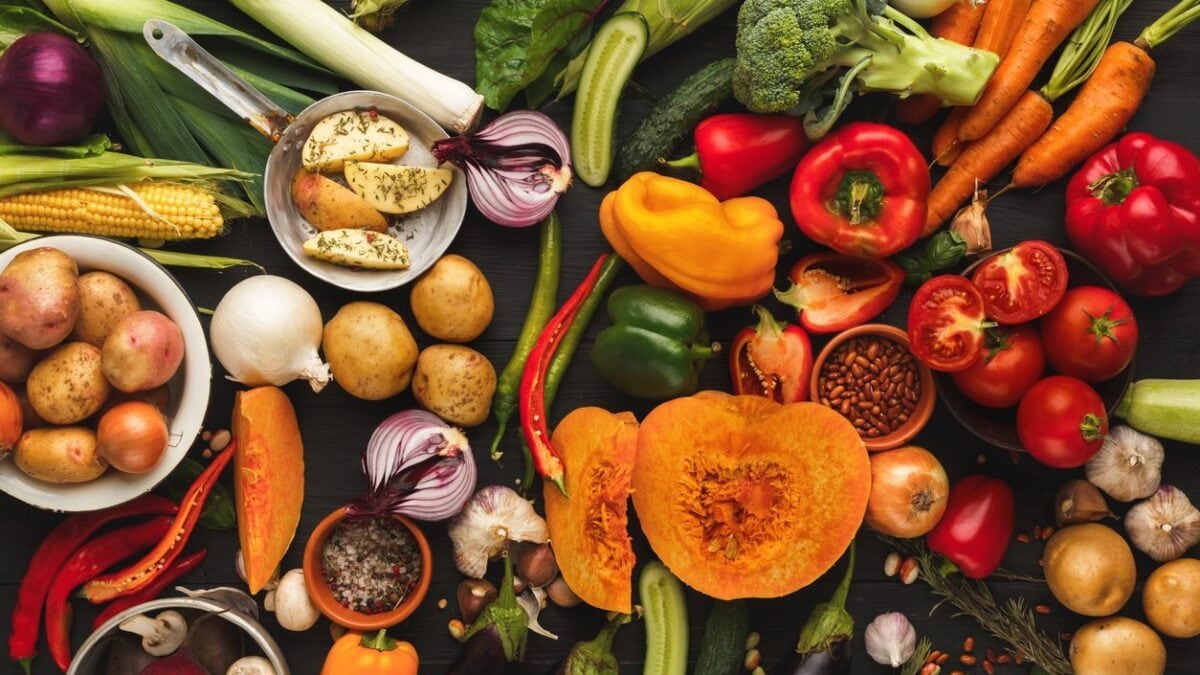
Rich in water, fiber, and valuable micronutrients, vegetables are undoubtedly our best allies for well-being, especially when embarking on a weight loss program or simply trying to manage our weight. However, not all vegetables are the same nutritionally, and they can have a different impact on blood sugar levels and daily energy balance depending on their chemical composition, starch content, and therefore the percentage of complex carbohydrates they contain.
For this reason, vegetables tend to be divided into two large families: starchy (like potatoes or corn) and non-starchy (like lettuce or zucchini).
With the help of our trusted expert, biologist and nutritionist Simone Gabrielli, we try to understand the fundamental differences between the two types, what their characteristics are, and how to cook and combine them correctly to keep blood sugar levels under control.
Starchy Vs. Non-Starchy Vegetables
To fully understand the distinction between the two types, it's important to look at their chemical composition and caloric intake. The difference lies in the amount of starch—a complex carbohydrate that our body breaks down into glucose during digestion—and the food's energy density:
- Starchy vegetables and tubers are plant parts that store energy. They have a higher caloric density and a significantly higher carbohydrate content;
- Non-starchy vegetables are predominantly the leaves, stems, flowers, or fruits of the vegetable. They are composed of over 90-95% water, fiber (both soluble and insoluble), and micronutrients such as vitamins and minerals, with a negligible presence of starch. Consequently, they will have a minimal impact on blood sugar levels.
A small clarification: legumes, such as peas, beans, chickpeas, and lentils, are not vegetables, but have their own category—legumes, to be precise—because they're foods rich in plant-based proteins and complex carbohydrates. "They shouldn't be confused with vegetables," Gabrielli clarifies.
Starchy Vegetables List
Starchy vegetables are characterized by a higher calorie content and a higher carbohydrate density than other vegetables. This category includes exclusively tubers, roots, and grains consumed as vegetables, characterized by an average calorie content of 70-90 kcal per 100g and a carbohydrate content of around 15-20g per 100g.
Characterized by a higher amount of complex sugars, these foods tend to have a more marked impact on blood sugar levels. They should be managed on the plate as carbohydrate sources, equal to or replacing bread, pasta, or rice (although with standard doses varying based on nutritional values).
- Classic potatoes: Rich in starch and potassium, they're an excellent source of complex carbohydrates. It's best to steam or bake them with their skins on, letting them cool before eating. This little trick converts some of the starch into resistant starch, increasing the amount of beneficial fiber for the intestines. Pair them with a protein source of your choice, such as grilled chicken or salmon, and a side of green leafy vegetables.
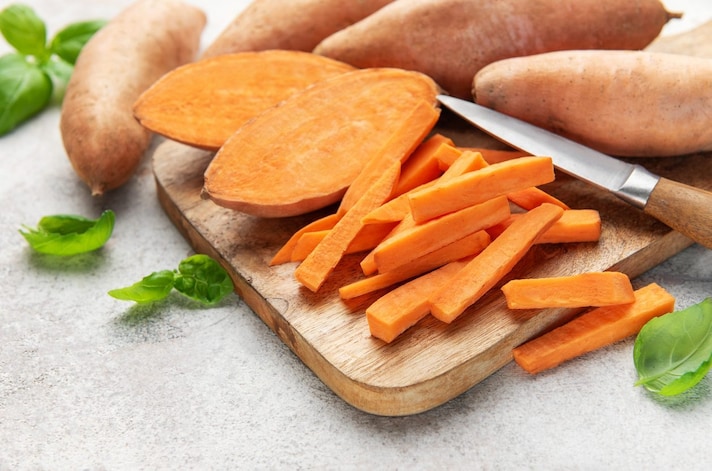
- Sweet potatoes (batas): Compared to regular potatoes, they contain a higher amount of fiber and beta-carotene and have a slightly lower glycemic index for the same carbohydrate content. Excellent baked, sliced into wedges and flavored with spices (rosemary, paprika, curry), they are perfect paired with fish, lean meats, or eggs.
- Jerusalem artichoke: a tuber with a flavor similar to an artichoke but a texture similar to that of a potato, it's rich in starch and inulin, a prebiotic fiber that helps keep our gut healthy. It can be baked, sautéed, or made into a creamy soup and is excellent paired with lean protein and healthy fats.
- cassava (yuca): a tuber with a very high starch content and caloric density, very common in tropical cuisines; it should always be consumed after boiling, frying, or baking and, within a meal, represents the main portion of complex carbohydrates, on a par with cereals, bread, and pasta;
- Corn (maize): nutritionally speaking, it's a grain in its own right and should be treated as such, therefore included as a complex carbohydrate. The mistake many people make, however, is to consume it as a salad vegetable. The best ways to cook it are steamed or grilled, avoiding canned versions with added sugars.
Non-Starchy Vegetables List
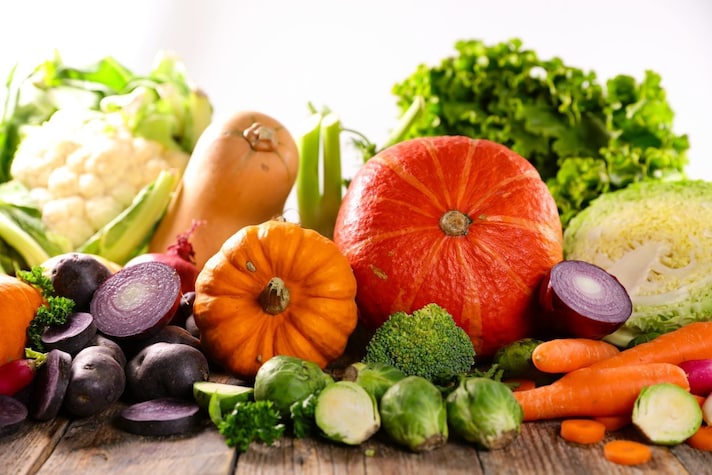
Non-starchy vegetables represent the largest and most significant portion of the plant kingdom. They are, on average, very low in calories (15-25 kcal per 100g) and rich in water, whole fiber, and valuable micronutrients. Thanks to their abundant water and fiber content, they promote a feeling of satiety, promote bowel regularity, and do not require strict portion control. Their almost negligible sugar content helps maintain stable insulin and blood sugar levels.
Among the main ones we find:
- green leafy vegetables such as lettuce, spinach, chard, arugula, chicory;
- cruciferous vegetables: broccoli, cauliflower, cabbage, Brussels sprouts;
- non-starchy cucurbits: zucchini, cucumbers and pumpkin (the latter, although sweet, has over 90% water and very few calories);
- light stem and root vegetables: fennel, celery, carrots, radishes, asparagus;
- fruiting vegetables: peppers, eggplants, tomatoes.
How to Combine Vegetables to Keep Blood Sugar Under Control
To create truly balanced meals, avoid sudden glycemic spikes, and manage body weight without sacrificing taste, it's essential to understand the difference between these two groups and learn how to manage and treat them in the best possible way.
Here are some practical tips on how to combine vegetables in meals:
- Consider starchy vegetables as the main source of carbohydrates in the meal; when serving potatoes, sweet potatoes, or corn, it's best to consider them as substitutes for other complex carbohydrates, such as bread, pasta, or rice, rather than simply as a vegetable side dish. "Avoid combining potatoes, bread, and pasta to avoid exceeding the carbohydrate quota," the nutritionist advises.
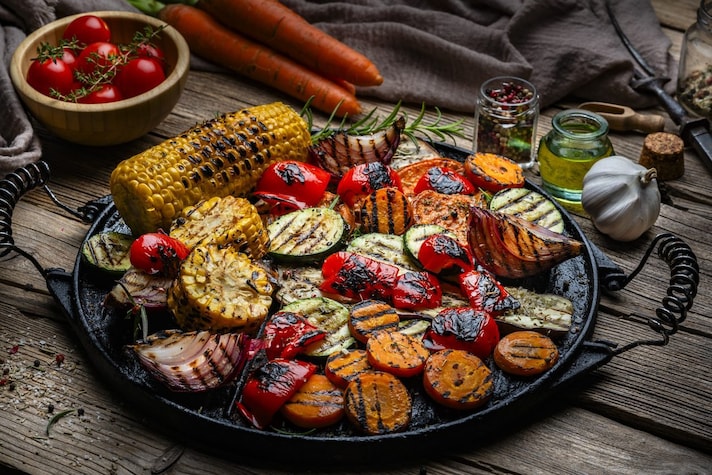
- always combine a source of non-starchy fiber: combining a portion of green leafy vegetables or vegetables rich in water (for example a fennel salad or a side of grilled zucchini) provides greater satiety and reduces the absorption of sugars from the entire meal;
- Add other macronutrients: complete your meal with a protein source (fish, meat, eggs, fresh cheeses, legumes) and a complex starch/carbohydrate source (cereals, pasta, bread, potatoes); each should visually occupy a quarter of your plate;
- Don't forget the healthy fats: if possible, drizzle everything with a little extra virgin olive oil. Healthy fats, along with the fiber in vegetables, slow gastric emptying, ensuring a prolonged feeling of satiety, and lowering the glycemic index of the meal itself.
- Pay attention to the order of consumption: always start the meal by eating a portion of non-starchy vegetables, preferably raw (for example a dip of carrots, fennel and cucumbers or a mixed salad), to avoid arriving at the main course too hungry and exaggerating the portions.

