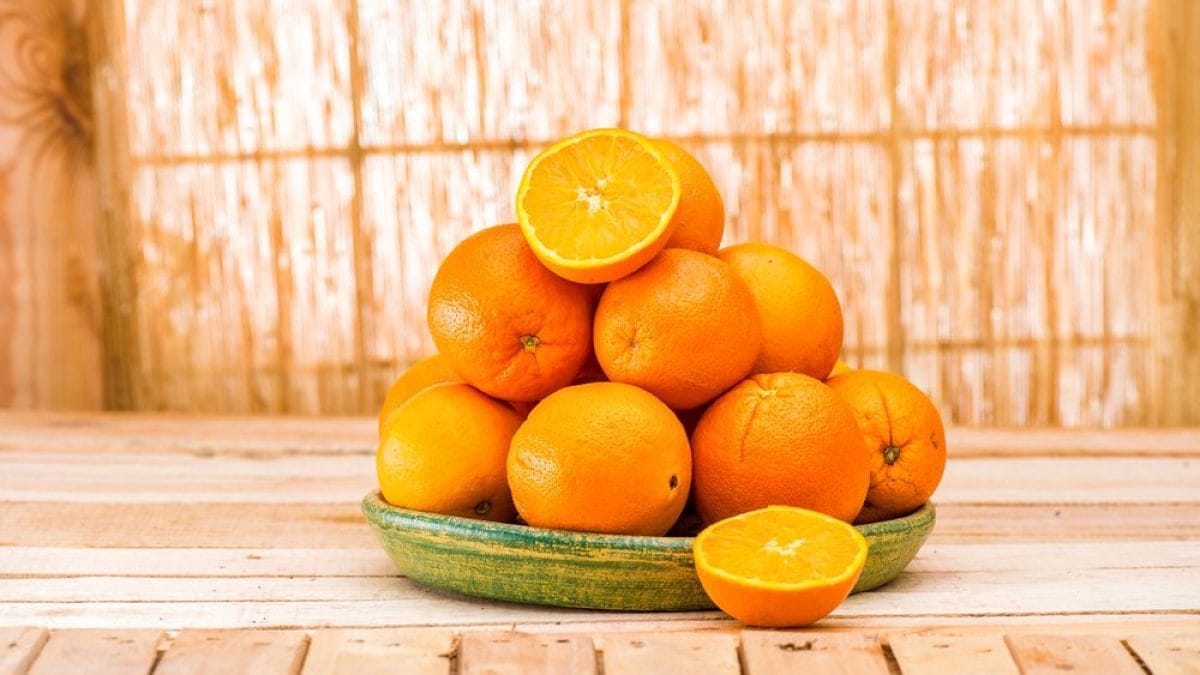
Among the citrus fruits that showcase the agricultural creativity of the Mediterranean, the Tacle occupies a curious and still little-known place. Born in Sicily from the encounter between two of the island's leading fruit-growing cultivars, the Tarocco orange and the Monreal clementine, this fruit represents a successful example of varietal innovation. It is not a genetically modified product, but a citrus fruit obtained through natural crossbreeding, the fruit of research and agronomic patience.
Developed in the laboratories and experimental fields of Acireale, on the slopes of Mount Etna, Tacle combines some of the most prized qualities of its "parents": the vibrant color and red hues typical of Sicilian pigmented oranges and the practicality of clementines, beloved for their sweetness and seedlessness. The result is a citrus fruit that intrigues even with its name, a linguistic fusion of Tarocco and clementine, and that surprises from the first taste.
Available for a relatively short period, between December and January, the Tacle is one of those seasonal fruits that appear almost unnoticed in winter markets, yet leave behind an intense aromatic aftertaste. For this reason, it is often considered a small gem of Sicilian citrus production, still uncommon but increasingly appreciated by chefs, gourmets, and lovers of local produce.
Tacle Citrus' Origins and Research
The history of the Tacle begins in eastern Sicily, where citrus cultivation has been an integral part of the landscape and local economy for centuries. Here, at the citrus research centers in Acireale, researchers have worked to develop new varieties capable of combining high organoleptic qualities with beneficial agronomic characteristics for production. The goal was ambitious: to combine the aromatic richness and pigmentation of the Tarocco with the consumer friendliness of the clementine, which is seedless and easy to peel. Through controlled cross-breeding and successive selections, a variety was born that retains the personality of both species.
At first glance, the Tacle may resemble a small orange, but you only need to cut it open to appreciate its originality. The fruit is medium-sized, with a deep orange, smooth, and fragrant peel. Inside, the surprise: a bright orange pulp crossed by light red streaks, a genetic heritage of the Tarocco. This pigmentation, due to the presence of anthocyanins, is not merely aesthetic. It is also one of the elements that contribute to the fruit's aromatic profile, making it more complex than many other citrus varieties. Another detail that makes it particularly appreciated is the absence of seeds, a characteristic that clearly recalls its clementine origins.
Taste-wise, Tacle strikes an interesting balance between sweetness and vivacity: the flavor is predominantly sweet, but with a delicate acidic note that refreshes the palate and makes the fruit extremely enjoyable. The aroma is intense, with nuances reminiscent of both blood orange and clementine.
A combination that makes it a versatile citrus fruit: perfect to consume natural, but also interesting in the kitchen, where it can be used for winter salads, citrus desserts or light marinades.

A Short-Season Citrus Fruit
One of the most fascinating aspects of Tacle is its limited seasonality: the harvest period is concentrated between December and January, a relatively short window that helps maintain its aura of rarity. In local Sicilian markets, it often appears alongside the first blood oranges of the season, bringing with it the scent of winter citrus groves.
This limited availability is also one of the reasons why Tacle is not yet widespread in large-scale distribution and remains, in many cases, a discovery for those who frequent farmers' markets, quality shops or short supply chains.
;Resize,width=767;)
