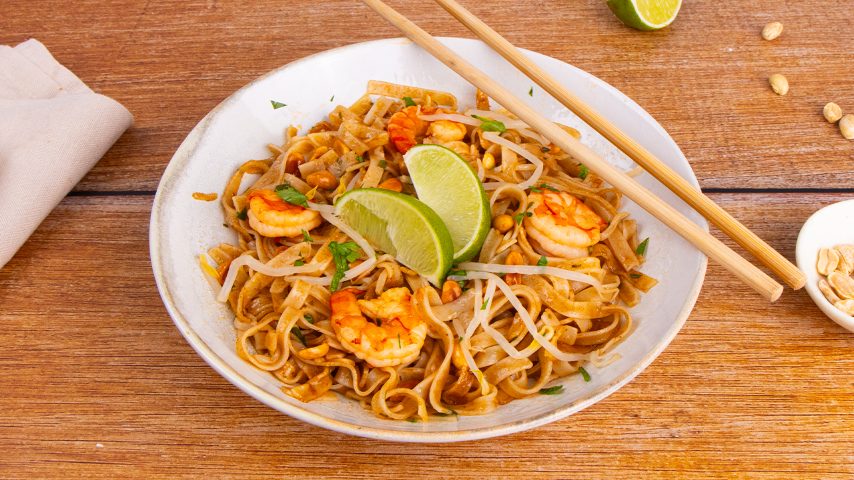
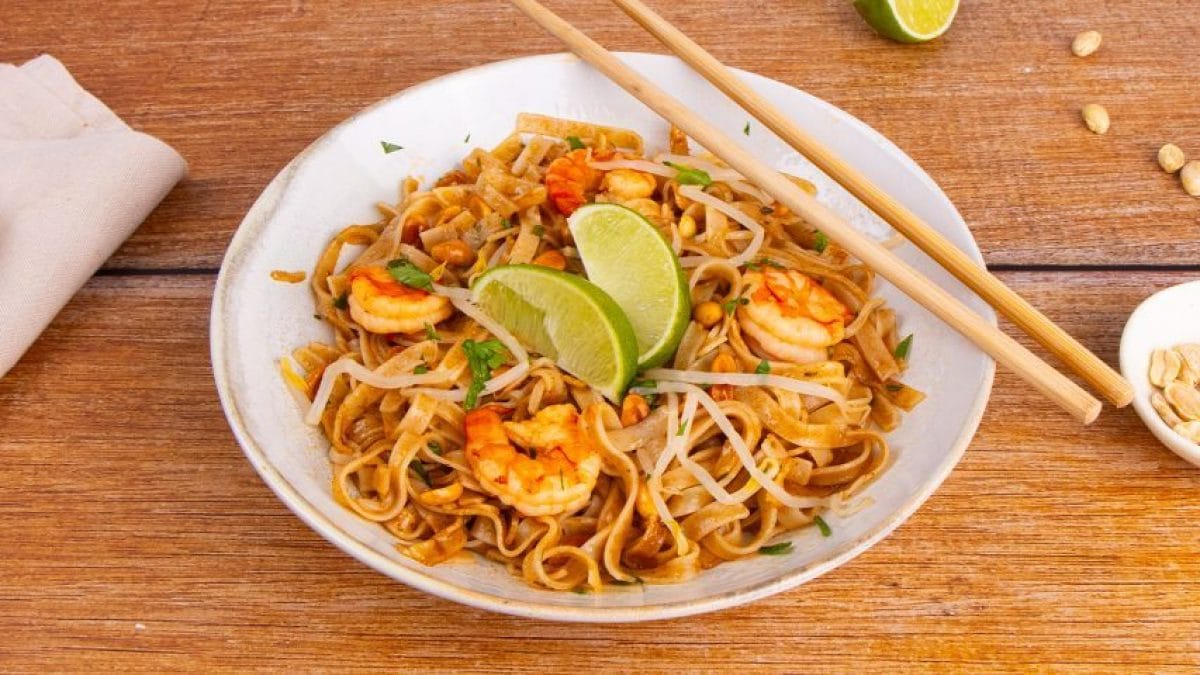
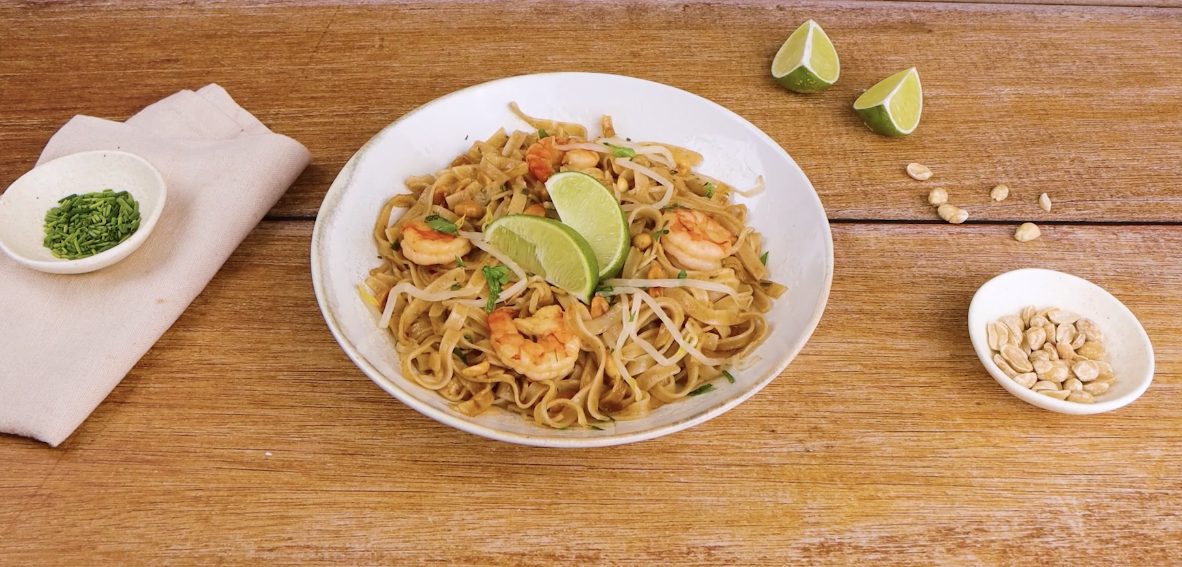
This dish just involves a hot wok, slippery rice noodles, a salty sauce, and prawns that turn pink right on cue. Pad Thai feels like a street-food treat even when you make it at home. This recipe focuses on tamarind for that signature sweet-sour kick, fish paste for depth, and peanuts for crunch.
It’s quick, lively, and best eaten straight from the pan while everything’s still glossy and steaming. Serve it as a main course for a weeknight, or pile it on a platter for a casual dinner with friends who love bold flavors.
What Is Pad Thai?
Pad Thai is a classic Thai noodle stir-fry traditionally made with rice noodles, a tamarind-based sauce, aromatics like garlic, and a mix of proteins. While it’s sometimes mislabeled online, Pad Thai is not Taiwanese and originated as a popular street-food dish across Thailand.
Pro Tips for the Best Pad Thai
- Don’t over-soak the noodles, as you want them pliable, not mushy. So, 15 minutes in hot water is usually perfect, and they’ll finish softening in the wok.
- Toast the peanuts first because this small step makes the flavor pop and keeps the crunch from getting lost in the sauce.
- Keep the wok hot, high heat helps the noodles stir-fry instead of steaming, which is key for that classic street-style texture.
- A splash of water will help loosen the sauce and coat the noodles evenly, but too much will turn your stir-fry into noodle soup.
- Shrimp go from perfect to rubbery quickly, so give them just a few minutes until they’re pink and opaque.
Frequently Asked Questions
Can I make Pad Thai without prawns?
Yes, swap the prawns for chicken strips, tofu cubes, or even a scrambled egg if you want something quick and simple. But the sauce and noodle technique stays the same. If you use tofu, pat it dry and sear it first for a better texture. If you use chicken, slice it thin so it cooks as quickly as the prawns would.
Why are my noodles clumping together in the wok?
Clumping usually happens when noodles are over-soaked or when they sit still too long in the pan. Drain them well, then toss them into the wok while it’s hot so they start moving immediately.
Can I prepare the sauce ahead of time?
Absolutely, and it’s a smart move if you want a fast dinner. Mix the fish paste, tamarind juice, soy sauce, and a little water in a small bowl so it’s ready to pour straight into the wok. Store the sauce in the fridge in a sealed container and use it within 2 days.
What can I use instead of tamarind juice?
Tamarind is the signature tang in Pad Thai, but if you’re stuck, you can mimic it with a mix of lime juice and a tiny bit of brown sugar. It won’t taste identical, but it will still give you that sweet-sour balance the dish needs.
How to Store Pad Thai
Let leftover Pad Thai cool to room temperature, then transfer it to an airtight container and refrigerate. It’s best eaten within 3 days for the freshest texture. Reheat in a hot pan with a small splash of water to loosen the noodles and revive the sauce.
Ingredients
How to Make Pad Thai
;Resize,width=712;)
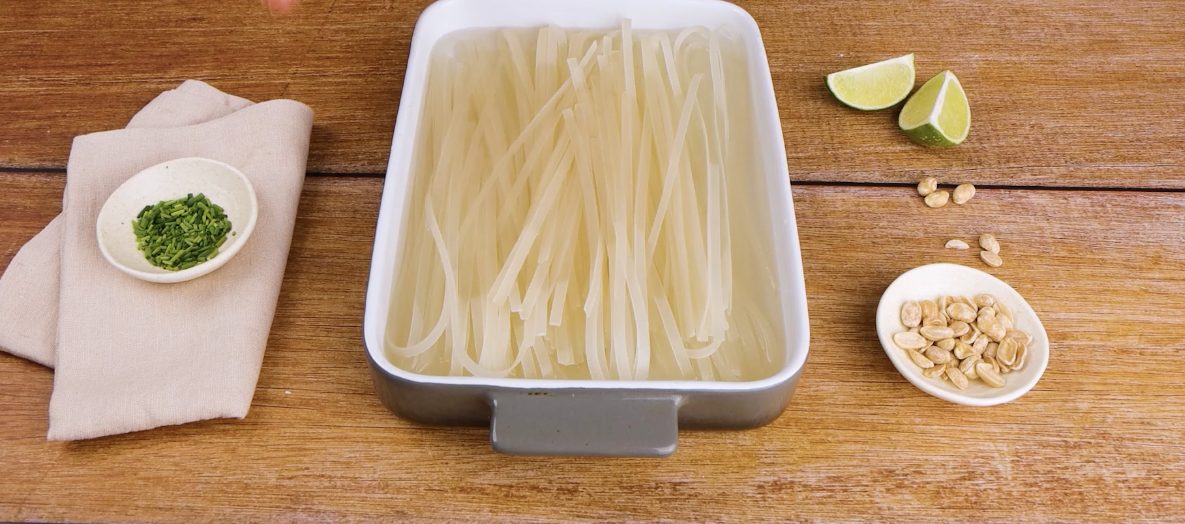
Place the rice noodles in a bowl and cover with hot water. Let them soak for 15 minutes, then drain well and set aside.
Place the rice noodles in a bowl and cover with hot water. Let them soak for 15 minutes, then drain well and set aside.
;Resize,width=712;)
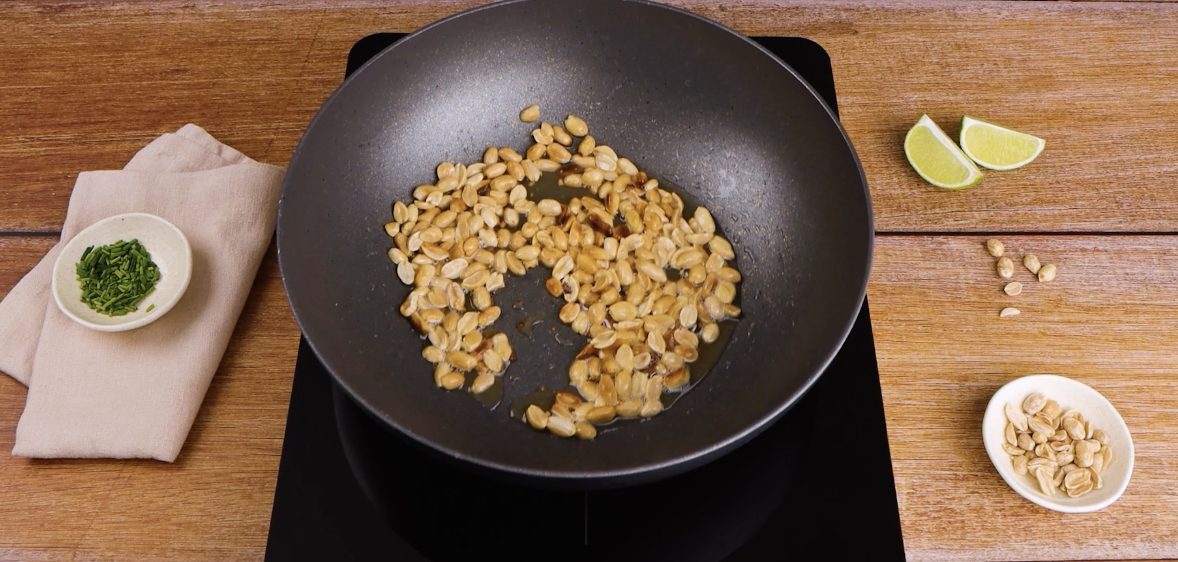
Heat a drizzle of vegetable oil in a wok over medium heat. Add the peanuts and toast for a few minutes, tossing often. Remove them from the wok and set aside, but try not to snack on too many.
Heat a drizzle of vegetable oil in a wok over medium heat. Add the peanuts and toast for a few minutes, tossing often. Remove them from the wok and set aside, but try not to snack on too many.
;Resize,width=712;)
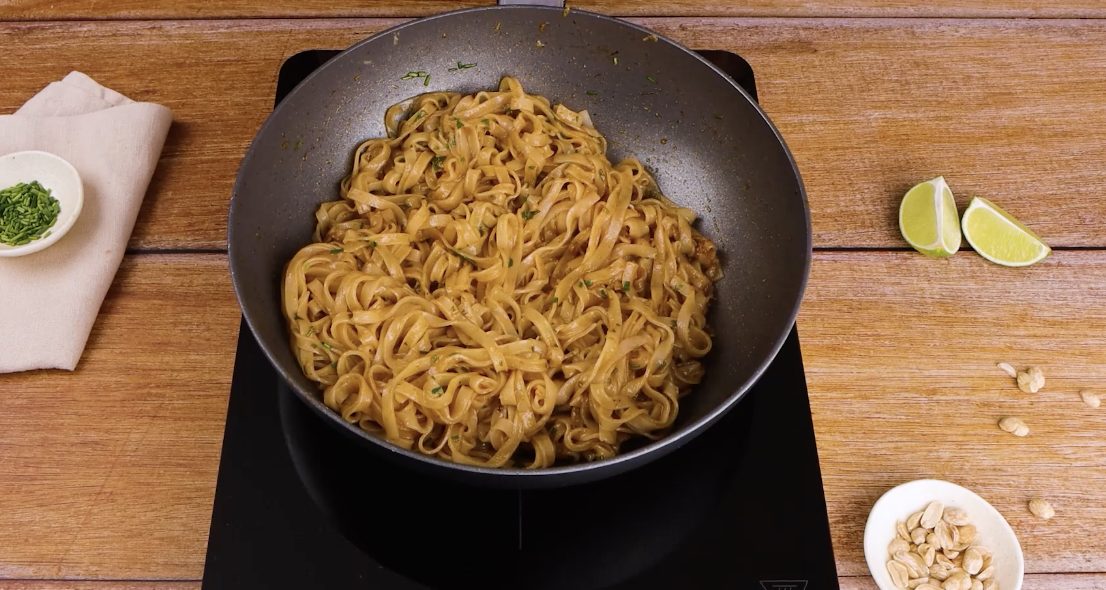
In the same wok, toss in the garlic, add the drained noodles, and stir-fry for a couple of minutes. Add the fish paste, tamarind juice, soy sauce, a little water, and stir until the noodles are evenly coated. Add parsley and chives, then stir again so the herbs weave through the noodles.
In the same wok, toss in the garlic, add the drained noodles, and stir-fry for a couple of minutes. Add the fish paste, tamarind juice, soy sauce, a little water, and stir until the noodles are evenly coated. Add parsley and chives, then stir again so the herbs weave through the noodles.
;Resize,width=712;)
Slide onto a serving dish, top with extra herbs if you like, and dig in while it’s hot.
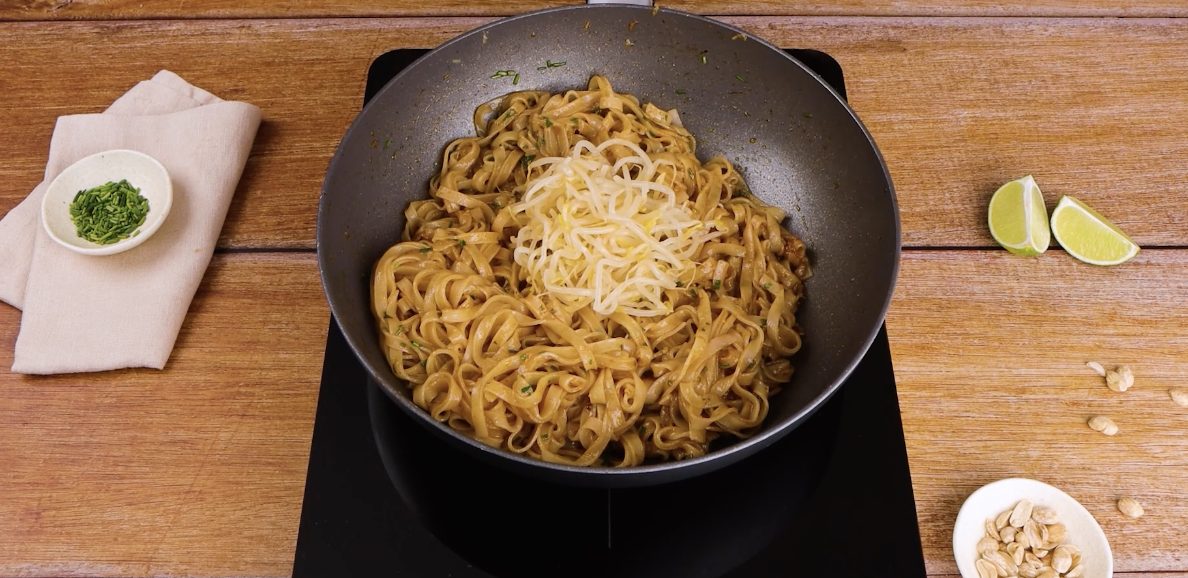
Toss in the bean sprouts and stir-fry over high heat for a short burst, just enough to warm them and mix everything through while keeping their snap.
;Resize,width=712;)
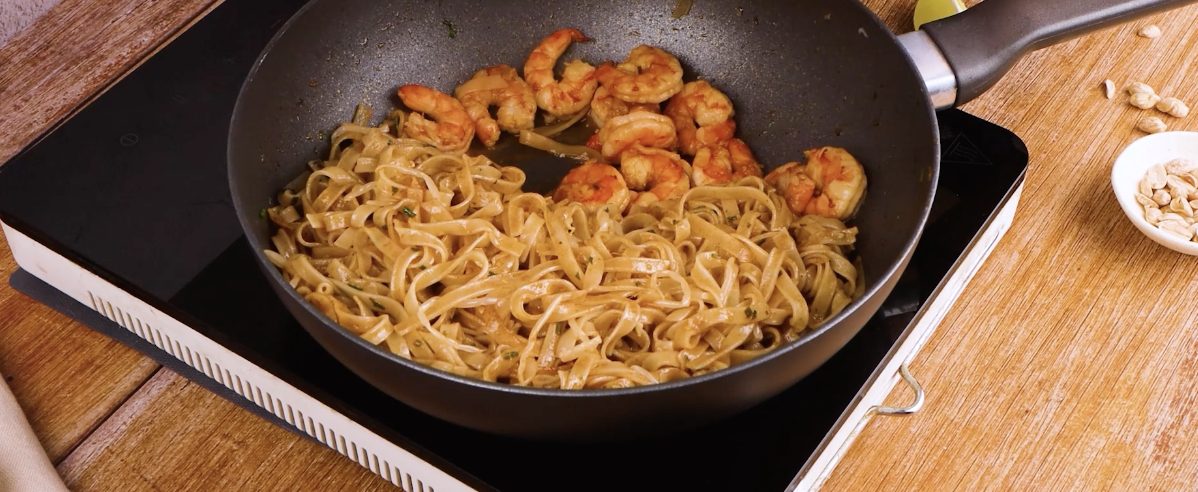
Push the noodles to one side of the wok to create space. Add the prawns, drizzle with a little soy sauce, and cook for a few minutes until they turn pink.
;Resize,width=712;)
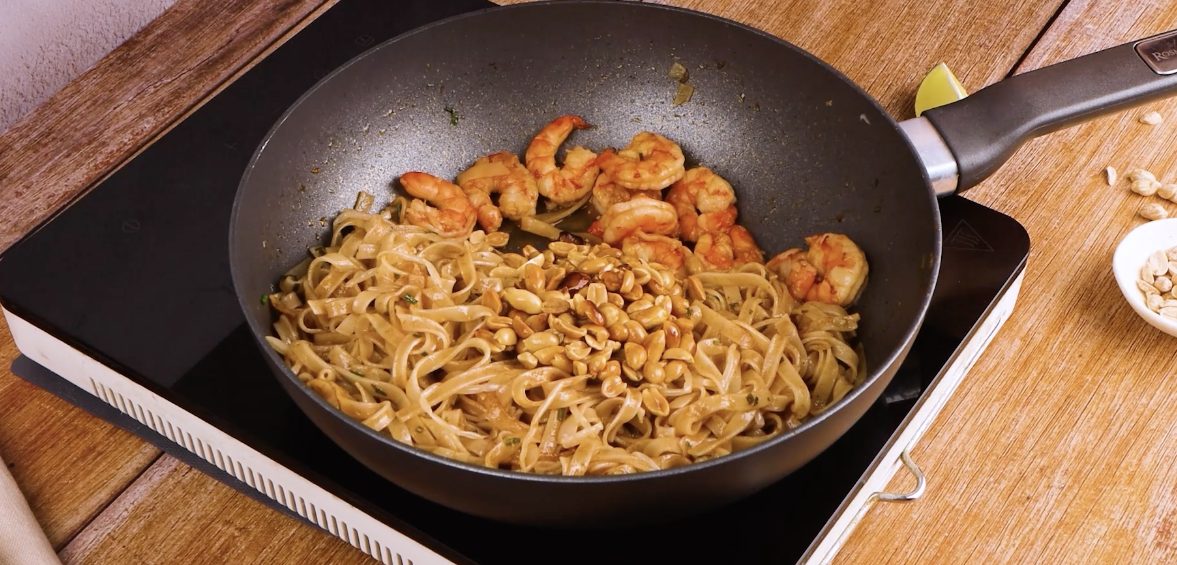
Return the toasted peanuts to the wok and mix everything.
;Resize,width=712;)
Slide onto a serving dish, top with extra herbs if you like, and dig in while it’s hot.
;Resize,width=767;)
